Inflammation is one of those things almost everyone deals with at some point.
Sometimes it shows up as stiff joints.
Sometimes sore muscles that never fully calm down.
Sometimes it is just that feeling that your body is always trying to recover but never quite gets there.
Over the last decade, I have watched more people turn to peptides while looking for better ways to support recovery and feel normal again.
Not because peptides are magic.
But because they work with systems your body already uses to repair and regulate itself.
In this guide, I’ll walk you through what peptides are, why people are using them for chronic inflammation, and what the research and real-world experience actually show.
What are Peptides?
Peptides are small chains of amino acids.
Think of amino acids as building blocks your body uses for repair, hormones, muscle, and signaling.
Peptides act more like messengers.
They tell the body when to repair, when to recover, and how to respond to stress or injury.
Some peptides already exist naturally inside your body.
Others are created in labs so researchers can study specific effects more directly.
Most people are drawn to peptides because they are targeted.
You are not just throwing supplements at a problem and hoping something works.
You are choosing tools based on a specific goal like recovery, inflammation support, or performance.
Peptides can get expensive, but as an FYI - BioEdge is doing 15% off this month (code MARS15 at bioedgepeptides.com), one of the few suppliers that consistently delivers what their lab reports claim.
What are Chronic Inflammatory Conditions?
Inflammation itself is not bad.
If you train hard or twist an ankle, inflammation is part of how the body heals.The problem happens when it never turns off.
Chronic inflammation means the body stays irritated longer than it should:
- Recovery slows down
- Energy drops
- You start feeling worn down day after day
For some people it shows up as joint stiffness. For others it is breathing issues, soreness, or constant fatigue.
Why People Use Peptides for Inflammation
Most people are not looking for extremes. They just want to move better. Wake up without stiffness. Recover fast enough to stay active.
That is where peptides enter the conversation.
Instead of masking discomfort, many protocols focus on supporting the body’s recovery systems so things improve over time.
How Peptides Support Chronic Inflammation
One thing I have seen repeatedly is that recovery changes everything.
When recovery improves, inflammation often settles down naturally.
Some peptides are researched for injury recovery and soft tissue support.
Others are used more broadly for overall recovery and balance.
The goal is simple.
Feel stronger.
Recover faster.
Stay consistent without constant setbacks.

Which Peptides Are Commonly Used for Inflammation Support?
This is usually the next question people ask me.
Not all peptides do the same thing.
Some are researched more for injury recovery.
Others are used for systemic recovery and overall resilience.
Here are the ones that come up most often when inflammation is part of the conversation.
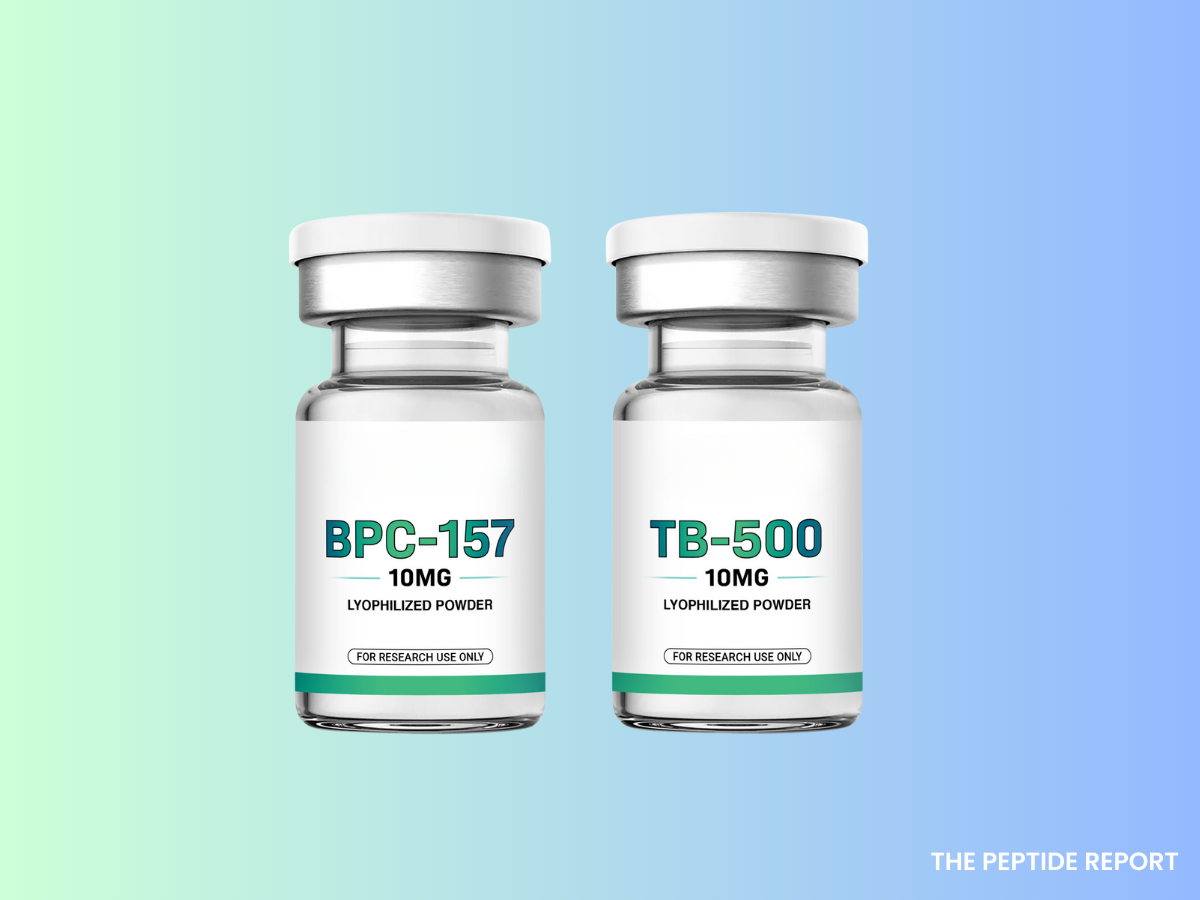
BPC-157 for Injury Recovery and Soft Tissue Support
BPC-157 is probably the peptide I hear about the most when people are dealing with nagging injuries.
It has been researched for how it may support tendon, ligament, and muscle recovery.
A lot of athletes look into it when inflammation comes from overuse injuries or old problem areas that never fully healed.
The goal is not masking discomfort.
The goal is supporting the repair process so the body can actually catch up.
TB-500 for Mobility and Recovery
TB-500 often gets paired with BPC-157.
People research it for recovery, mobility, and overall tissue support.
Where BPC-157 is often discussed for localized recovery, TB-500 is usually talked about as more systemic.
Many users say they notice smoother movement and faster recovery between workouts.
GHK-Cu for Skin, Tissue, and Cellular Repair
GHK-Cu is interesting because inflammation does not only show up in joints.
It shows up in skin, recovery speed, and how well tissue repairs over time.
This peptide is commonly researched for collagen support and healing response.
People often explore it when recovery feels slower than it used to.
Thymosin Alpha-1 and Immune System Balance
Some inflammation is tied closely to immune system stress.
Thymosin Alpha-1 is researched for how it interacts with immune regulation.
Instead of targeting one injury, discussions around this peptide usually focus on overall resilience and recovery capacity.
These are the peptides I see discussed most often for recovery-focused protocols. I source mine from BioEdge Research Labs. Their bundles are usually discounted already, and you can use code MARS15 for an additional 15% off.
What Research Says About Peptides and Inflammation
Peptides have been studied for years, and interest keeps growing.
Researchers continue looking at how they interact with immune response, recovery pathways, and tissue repair.
That matters because inflammation often sits at the center of many long-term issues.
What excites people is not hype.
It is the steady increase in research and real-world experimentation happening every year.
Frequently Asked Questions
Peptides for Common Inflammatory Conditions
People usually start researching peptides because of how their body feels day to day.
Joint discomfort is a big one, especially for lifters or anyone with old injuries.
Breathing issues connected to inflammation also bring people into this space.
Arthritis and long-term stiffness are another common reason.
Peptides are not a replacement for sleep, training, or nutrition.
Most people use them alongside solid habits to support long-term improvement.
Peptides can get expensive, but as an FYI - BioEdge is doing 15% off this month (code MARS15 at bioedgepeptides.com), one of the few suppliers that consistently delivers what their lab reports claim.
What to Keep in Mind Before Using Peptides
The biggest mistake I see is people overcomplicating things.
Start simple.
Stay consistent.
Give protocols time to work.
Switching peptides every week rarely leads to good results. The people who see progress treat it like a long-term plan and track how their body responds.
The Future of Peptides for Inflammation
Interest in peptides keeps growing because the results keep people curious. New compounds are being studied constantly.
Protocols are evolving. And more everyday people are learning how recovery-focused approaches can change how they feel.
Why Buying From BioEdge Research Labs Matters
Peptides are only as good as the quality behind them.
I have seen people waste money on inconsistent sources and end up thinking peptides do not work.
That is why sourcing matters.
BioEdge Research Labs has been one of the most consistent suppliers I have used, especially when it comes to testing standards and reliability.
If you are going to invest time and money into peptides, starting with a trusted source makes the biggest difference.
Joe Mars
The Peptide Report
This content is for educational purposes only. Peptides should be used under proper supervision. Always consult qualified healthcare providers before beginning any peptide protocol.
P.S. Join Our Skool Group for real protocols, Q&A, and community support.