
Research Peptide
Tesofensine (NS2330) is a novel triple monoamine re-uptake inhibitor that targets three key neurotransmitter transporters: dopamine (DAT), serotonin (SERT), and norepinephrine (NET). This mechanism suggests Tesofensine could influence various physiological processes, including appetite regulation, mood, and cognitive function.
By increasing neurotransmitter availability, Tesofensine may also improve cognitive performance, enhancing mental clarity, focus, and overall brain function. Its potential to modulate neurotransmitter levels has sparked interest in its applications not only for weight management but also in treating mood disorders and cognitive impairments.
Originally developed for the treatment of Alzheimer’s disease, Tesofensine’s potential for weight loss was discovered unexpectedly during early trials. Researchers observed significant weight reductions in participants, leading to a shift in focus toward its applications in weight management.
Studies have shown that Tesofensine may significantly reduce body weight. In one study, 203 patients treated with Tesofensine for 24 weeks experienced a dose-dependent weight loss ranging from 6.5% to 12%. This provides promising evidence for Tesofensine’s potential as a weight management solution.
Its effects on neurotransmitter re-uptake also suggest possible applications in the treatment of mood disorders. By increasing the availability of dopamine, serotonin, and norepinephrine in the brain, Tesofensine could potentially play a role in balancing mood, improving overall mental health, and enhancing cognitive functions like attention and memory.
In this article, we will delve into the mechanisms of Tesofensine, its clinical trials, benefits, side effects, and safety. Read on to understand how this peptide could contribute to various medical fields.
Chemical Structure:
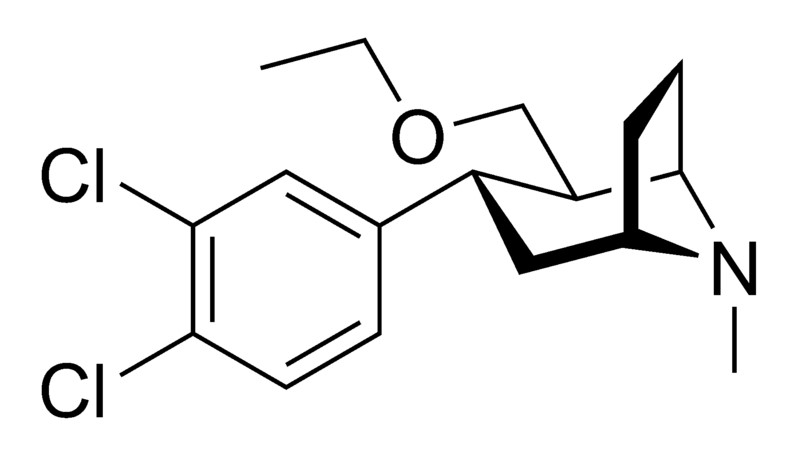
Tesofensine primarily functions by inhibiting the re-uptake of three neurotransmitters: dopamine, serotonin, and norepinephrine. This action increases the levels of these key chemicals in the brain, which can influence a range of physiological processes, including cognitive function, mood regulation, and appetite control. By enhancing neurotransmitter availability, Tesofensine may improve focus, concentration, and memory, which is particularly beneficial for those with cognitive impairments.
One of the most prominent effects of Tesofensine is its ability to regulate appetite. By boosting dopamine levels, Tesofensine targets the reward system in the brain, which helps reduce hunger and cravings. This appetite-suppressing effect makes it a potential candidate for weight management and obesity treatment.
Tesofensine also has a significant impact on metabolic rate. By enhancing thermogenesis, the process of heat production in the body, Tesofensine can increase energy expenditure. This means the body burns more calories, which may aid in fat loss even in the absence of diet or exercise.
In addition to regulating appetite and boosting metabolism, Tesofensine has been linked to improved insulin sensitivity. This is particularly important for individuals at risk of type 2 diabetes, as improved insulin sensitivity can help maintain stable blood sugar levels and reduce the likelihood of metabolic dysfunction.
Another potential benefit of Tesofensine is its role in enhancing fat oxidation. This process helps the body utilize fat more efficiently for energy, contributing to overall fat loss and improved metabolic health.
As researchers continue to investigate the full range of Tesofensine’s effects, its potential applications for weight loss, metabolic health, cognitive function, and diabetes management remain promising. The following sections will further explore its clinical trials, benefits, and safety considerations for potential use in medical research.
Tesofensine has shown promising results in several clinical trials, especially in the areas of weight loss, metabolic rate enhancement, and Type 2 diabetes. The peptide has gained attention for its potential in addressing obesity and metabolic disorders.
Below, we dive into the clinical findings supporting these benefits.
Tesofensine has demonstrated significant weight loss benefits in clinical trials. Initially developed for Alzheimer’s disease, its weight loss potential was uncovered during early trials, leading to a shift in research focus. Below are key findings from clinical studies:
A Phase II study (TIPO-1) revealed that participants on Tesofensine lost substantial weight over a 6-month period. Patients on the 1 mg dose lost an average of 12.8 kg, while those on the 0.5 mg dose lost 11.3 kg, and those on the 0.25 mg dose lost 6.7 kg. In comparison, participants in the placebo group lost just 2.2 kg.
By influencing brain chemicals that regulate metabolism, Tesofensine can elevate energy expenditure, aiding in the burning of stored fat.
Tesofensine is generally well tolerated, but like many medications, it can cause side effects. Most of these are mild to moderate in nature and tend to become more frequent as the dose increases. It’s important to note that while these side effects are reported, they are not extremely common, especially at lower doses.
Some of the most frequently observed side effects include:
While these side effects are the most commonly observed, they are not universally experienced by all users. In clinical trials, the overall incidence was relatively low, and the side effects were mostly mild to moderate in severity.
At higher doses (0.5 mg and above), cardiovascular effects were noted, though these were generally mild:
Tesofensine has demonstrated a generally positive safety profile across various clinical trials. It is generally well tolerated by most individuals, with a low incidence of severe adverse events. However, like all drugs, its safety depends on the dose and the individual’s health status.
While tesofensine’s side effects are typically mild, there are certain considerations to keep in mind:
As noted, tesofensine can cause slight increases in both blood pressure and heart rate at therapeutic doses. These changes are typically small (1–3 mmHg for blood pressure, and up to 8 beats per minute for heart rate) and are unlikely to pose a risk for most people. However, in individuals with pre-existing cardiovascular conditions, these effects could be more pronounced, and caution is advised.
One of the more concerning side effects, though rare, is the potential for psychiatric symptoms. These include agitation, mood swings, and panic attacks. While these events are uncommon and tend to occur more frequently in higher doses, they are worth noting. The drug’s effect on neurotransmitters like dopamine and serotonin could trigger or worsen psychiatric symptoms in individuals predisposed to mental health conditions.
In some clinical trials, a small percentage of participants (about 13%) discontinued due to adverse events, compared to only 6% in the placebo group. This suggests that while side effects are not common, they may be more severe for a small group of individuals. Withdrawal symptoms are rare but can include mood changes or discomfort associated with abrupt cessation of the drug.
The dosage of Tesofensine varies based on the individual’s health condition and the desired outcomes. In clinical trials, different doses of Tesofensine have been tested for obesity management and Type 2 diabetes treatment, with promising results across various dose ranges.
In the context of weight loss, patients typically start with a dose of 0.25 mg, which has been shown to result in an average weight loss of 6.5% over a 24-week period. For those seeking more significant weight reduction, higher doses of 0.5 mg and 1 mg have been shown to produce greater results, with 11.2% and 12.6% average weight loss, respectively. In the two highest dose groups, a notable reduction in BMI, around 4 points, was observed over the same time frame.
It’s important to remember that, as with any medication, dosage should be tailored to individual needs, taking into account factors such as tolerance and specific health conditions. As ongoing research continues to refine the optimal dosage, understanding the appropriate range for each person will be crucial for achieving the best outcomes.
Given its promising effects on both appetite regulation and metabolic health, Tesofensine’s dosage can play a vital role in maximizing its therapeutic benefits. However, individuals should always consult a healthcare professional before adjusting any treatment regimen.
Bacteriostatic water is essential for dissolving Tesofensine, ensuring the peptide is reconstituted in a sterile solution. It prevents bacterial growth, which is crucial for maintaining the peptide’s integrity and ensuring safe use.
In addition to bacteriostatic water, a sterile syringe is necessary to accurately measure and inject the peptide. Alcohol wipes are important for sanitizing the vial and syringe to prevent contamination. Proper storage containers, such as refrigerated vials, are needed to maintain the peptide’s stability and prolong its shelf life.
Tesofensine was discontinued for the treatment of Alzheimer’s and Parkinson’s disease in 2019, but it is still undergoing phase III clinical trials for obesity. This means it is not yet approved for widespread medical use outside of research settings.
In 2021, the FDA granted orphan drug designation for Tesofensine in combination with metoprolol for specific conditions: Prader-Willi Syndrome (PWS) in March and hypothalamic obesity in July. As its legal status varies by country and regulatory environment, it is important to stay updated on its approval process.
No, Tesofensine does not increase testosterone levels. Its primary action is on appetite and metabolism, not hormone production. It targets brain receptors to help control hunger and reduce fat storage, but it does not impact testosterone production or function in the body.
No, Tesofensine is not intended to build muscle. It is a weight-loss agent that helps with appetite suppression and metabolic rate enhancement. While it reduces body fat, it does not have the muscle-building effects commonly seen with anabolic supplements. If building muscle is a goal, other strategies will be more effective.
Tesofensine has shown promising benefits, particularly in weight loss, metabolic health, and cognitive function. Its ability to suppress appetite, enhance fat oxidation, and increase energy expenditure makes it a potential breakthrough in obesity management. Additionally, its effects on neurotransmitter re-uptake suggest possible applications for treating mood disorders and cognitive impairments.
While Tesofensine is generally well tolerated, mild to moderate side effects such as dry mouth, nausea, and insomnia may occur. These side effects tend to be dose-dependent and are not considered super common, especially at lower doses.

Joe Mars
Founder, The Peptide Report
I’m Joe Mars, and I’ve dedicated the past ten years to understanding peptide therapy, longevity, and how to optimize the body through practical, real-life testing. My journey started when I was tired, inflamed, and aging faster than I should have been. Clear information on peptides was almost impossible to find, so I dug in, researched nonstop, and tested protocols on myself.
Over the years, I have learned from experts like Jay Campbell, Dr. Seeds, Jim LaValle, and Ben Greenfield, and I have completely transformed my health. Now in my fifties, I feel stronger and sharper than I did in my twenties. That experience is why I write. I want to give people simple and honest guidance so they can use peptides safely and effectively.
I believe in data, smart protocols, and taking responsibility for your own health. You are the protocol. Your habits, your consistency, and your awareness shape your results. Through The Peptide Report, I share what actually works so you can make informed decisions and build a healthier, more resilient body.
Instant e-Book Download