
Research Peptide
Feeling tired all the time? Struggling to lose weight despite your best efforts?
These might not just be random symptoms. They could be signs that your body is missing something crucial: glutathione.
Known as the “master antioxidant”, glutathione plays a vital role in keeping your immune system strong, detoxifying your body, and even managing your metabolism.
But when levels of this powerful peptide dip too low, the results can be troubling. From chronic fatigue to weight gain, low glutathione is linked to several health issues.
In this article, we’ll dive into the science behind glutathione—what it is, what it does, and how it supports your body. We’ll explore its research-backed benefits, discuss potential side effects, and share how you can incorporate it into your routine.
By the end, you’ll understand why glutathione is not just a buzzword, but a vital tool for both health-conscious individuals and researchers alike.
Glutathione, often abbreviated as GSH, is a small but mighty peptide composed of three amino acids: glycine, cysteine, and glutamic acid. This tripeptide is produced primarily in the liver, where it plays a crucial role in numerous bodily functions, including detoxification and immune system support.
Also known as the “master antioxidant,” glutathione is found across many organisms: plants, animals, fungi, and even bacteria.
Its main job?
Protecting cells from oxidative stress. It does this by neutralizing harmful free radicals and reactive oxygen species that can damage cells and tissues.
The history of glutathione dates back to the early 19th century when it was first identified in animals. Since then, its importance has become clearer as research has uncovered its many roles in human health.
When glutathione levels are low, the body becomes vulnerable to a range of health issues. Some of the diseases associated with glutathione depletion include:
Where to Buy
There are a lot of shady peptide sites out there — underdosed, untested, and unreliable. BioEdge Labs is different. Every product is fully third-party tested. If you care about your research, this is the lab to trust.
The answer is pegged on what happens when glutathione runs low:
The body begins to struggle. You might notice fatigue, weight gain, or a weakened immune system. These are all linked to the roles glutathione plays in the body, from protecting cells to regulating metabolism.
When glutathione levels drop, oxidative stress increases. This can lead to chronic inflammation, tissue damage, and a variety of diseases.
For instance, research suggests that low glutathione levels are strongly linked to neurodegenerative diseases like Parkinson’s and Alzheimer’s. The same goes for metabolic conditions, including diabetes and liver diseases.
But don’t worry. There’s good news.
Ongoing research shows promising results for glutathione supplementation and its potential benefits in managing oxidative stress.
Early studies indicate that boosting glutathione may even help with weight management, improve liver function, and support overall metabolic health. These findings are still being explored, but they open up exciting possibilities for those struggling with weight issues and chronic conditions.
In the next section, we’ll dive into the specific benefits glutathione offers, with clinical trials shedding light on its potential. So, stay tuned to learn how this powerful peptide can transform your health.
Glutathione (GSH) is not just a buzzword in the wellness world—it’s a game-changer for health. From its powerful antioxidant properties to its role in weight management, glutathione has been researched for its potential in various areas.
Whether you’re looking to improve your immune system, detoxify your body, or even enhance your skin health, the benefits of glutathione are vast and scientifically backed.
Let’s explore some of the most compelling reasons you might consider boosting your glutathione levels.
At the heart of glutathione’s power is its antioxidant ability.
As a potent antioxidant, glutathione protects your cells from oxidative stress, which is caused by free radicals and reactive oxygen species (ROS). These molecules are linked to the development of diseases like diabetes, cancer, and rheumatoid arthritis. Glutathione directly combats oxidative damage by neutralizing these harmful substances, which helps protect your cells and tissues from long-term damage.
Research has shown that oxidative stress can cause significant harm to cell membranes, DNA, and proteins. By keeping this stress in check, glutathione plays a protective role in several important bodily functions, including:
Studies have highlighted glutathione’s key role in cellular health. A research paper by Joseph Pizzorno (2016) outlines its importance in safeguarding mitochondria, the powerhouse of the cell.
“The critical role of adequate glutathione to health has become ever more apparent, particularly in areas like detoxification, mitochondrial function, and healthy aging. As glutathione helps to protect cells from damage caused by oxidative stress, its significance to maintaining cellular health cannot be overstated.”
Simply put: Glutathione doesn’t just shield your cells from damage; it actively supports your body’s natural repair mechanisms. When your glutathione levels are high, your body is better equipped to fight against aging and disease, keeping you feeling youthful and energetic.
You’ve probably heard that weight management is influenced by a range of factors, from diet and exercise to hormones.
But what about glutathione?
Emerging research suggests that glutathione plays a key role in regulating metabolism and weight management.
In fact, studies show that low levels of glutathione are associated with obesity and insulin resistance. This is because glutathione helps regulate the oxidation of fats in the body, making it easier for the body to burn fat for energy. When glutathione levels are depleted, the body’s ability to metabolize fats efficiently is impaired, potentially leading to weight gain.
One study published in the American Journal of Clinical Nutrition found that glutathione supplementation helped improve insulin sensitivity in obese individuals, suggesting that maintaining healthy glutathione levels can play a role in preventing or managing obesity.
In the study, researchers noted:
“Glutathione plays a critical role in regulating the redox state of cells and is involved in processes that influence insulin sensitivity and fat metabolism. Supplementing glutathione has been shown to improve fat metabolism in individuals with obesity.”
While more research is needed to fully understand the connection between glutathione and weight loss, the current evidence points to the importance of glutathione in weight management, especially for individuals with metabolic conditions like diabetes.
Additional factors where glutathione impacts weight management include:
Chronic inflammation can hinder weight loss; glutathione’s antioxidant properties can reduce inflammation and help restore balance.
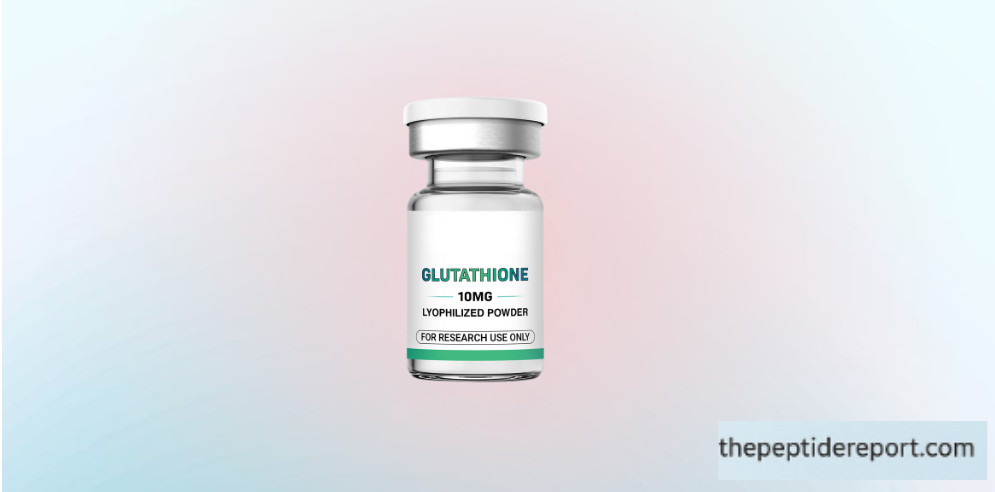
Glutathione plays a pivotal role in maintaining a healthy immune system. As hinted earlier, this “master antioxidant” is essential for controlling the delicate balance between inflammation and immune defense.
When glutathione levels are optimal, it helps regulate immune cell activity, ensuring that your body responds effectively to infections while preventing excessive inflammation.
But what happens when glutathione levels dip?
The immune system suffers.
Research shows that even slight decreases in glutathione can impair the function of critical immune cells, including T cells and lymphocytes. This weakens the body’s ability to combat pathogens and can prolong recovery times from illness.
T cells, for example, require a high concentration of glutathione to properly proliferate and function. Without it, their ability to grow and multiply is significantly impaired, which reduces their capacity to fight infections. This is particularly important in immune responses to chronic infections or autoimmune conditions.
Studies show that glutathione is involved in both stimulating and inhibiting immune responses, acting as a regulator of inflammation. In autoimmune diseases, for instance, oxidative stress often leads to a dysregulated immune response, and glutathione’s antioxidant properties help combat this damage.
“Altered glutathione concentrations may play an important role in many autoimmune pathological conditions, exacerbating inflammation and immune responses mediated by oxidative stress.”
Source: Autoimmunity Review
Maintaining proper glutathione levels is thus crucial for ensuring that your immune system can function optimally and avoid overstimulation, which could lead to chronic conditions like autoimmune diseases.
By keeping glutathione levels in check, you essentially “armor” your immune system for better defense and repair.
When you think of detox, what comes to mind? Many people associate it with juices, fasting, or expensive detox programs.
However, one of your body’s most effective detoxifiers is glutathione. This powerful peptide plays a significant role in neutralizing and removing toxins from your system, working primarily in your liver.
Glutathione’s detoxification capabilities are vast.
It is involved in the transformation of fat-soluble toxins into water-soluble compounds, which can then be easily eliminated through urine or bile. This process helps remove harmful substances such as heavy metals, alcohol by-products, and even environmental pollutants.
Without adequate glutathione, the liver struggles to perform the above functions effectively, leading to an accumulation of toxins in the body.
Research has shown that glutathione is particularly important for the detoxification of reactive oxygen species (ROS), which are harmful molecules produced during inflammation. By neutralizing these molecules, glutathione prevents oxidative damage to liver cells and other tissues.
One study shows the critical role of glutathione in detoxification:
Glutathione is involved in various detoxification processes, including the excretion of harmful substances from cells and the transformation of fat-soluble toxins into water-soluble toxins for easier elimination.”
Source: Joseph Pizzorno
Glutathione also helps protect the liver from damage during detoxification.
The liver is your body’s primary detox organ, and glutathione supports its ability to filter toxins while preventing liver damage. A study found that people with liver disease who received high doses of glutathione via IV had improved liver function tests.
“One small study found that people with nonalcoholic fatty liver disease who took glutathione by mouth for 4 months had improved liver enzyme markers.”
Source: Glutathione: Benefits and Supplements – WebMD
In short, glutathione is a vital player in the body’s detoxification system, keeping your liver functioning optimally and preventing the buildup of harmful toxins.
Glutathione has become a popular ingredient in skincare, but its benefits go beyond just being a skin brightener.
While some people use injectable glutathione to lighten skin or treat dark spots, the research around these claims is still limited. However, glutathione’s antioxidant properties are undoubtedly beneficial for maintaining healthy skin.
As an antioxidant, glutathione helps reduce oxidative stress that accelerates the aging process. It neutralizes free radicals, which can damage skin cells and lead to wrinkles, fine lines, and other signs of aging. By mitigating this damage, glutathione promotes a healthier and more youthful appearance.
Here are a few key questions about glutathione and skin health:
While research in this area is ongoing, some studies have found that glutathione can improve skin health in a few key ways:
It’s also worth mentioning that glutathione may support skin elasticity by promoting collagen production. Collagen is a protein that helps keep the skin firm and youthful-looking.
Though more research is needed, incorporating glutathione into your skincare routine—whether via diet, supplementation, or topical creams—may offer some anti-aging and skin health benefits.
Important things to note:
Glutathione is a potent and versatile antioxidant that impacts a wide range of health outcomes.
Clinical trials and research have shown that glutathione plays a key role in supporting the immune system, detoxifying the body, and improving skin health. Iit has also been linked to reducing the risk of chronic diseases such as cancer, Parkinson’s, Alzheimer’s disease, and diabetes.
Incorporating glutathione into your routine—whether through diet, supplementation, or other methods—could have profound health benefits. Keep in mind, however, that many of these benefits are still being researched, and individual responses may vary.
Where to Buy
There are a lot of shady peptide sites out there — underdosed, untested, and unreliable. BioEdge Labs is different. Every product is fully third-party tested. If you care about your research, this is the lab to trust.
Peptides can get expensive, but as an FYI – BioEdge is doing 15% off this month.
While glutathione is generally well-tolerated, understanding potential side effects is crucial to ensure safe use. Thankfully, most reactions are mild and manageable, allowing you to use glutathione with confidence.
Here’s a breakdown of possible side effects:
What about more serious issues? These are exceedingly rare but worth mentioning:
The key to avoiding these side effects is proper dosing and sourcing your product from reliable suppliers. With these precautions, glutathione remains one of the safest and most effective options for improving your health.
Yes.
Glutathione is widely regarded as safe when used appropriately. In fact, its safety profile has been demonstrated across various studies and applications, making it a reliable choice for many.
For oral use, doses of up to 500 mg daily for two months are typically well-tolerated. For more immediate and potent results, however, subcutaneous glutathione injections with a peptide pen or insulin syringe is often preferred.
This method allows for greater bioavailability, bypassing the digestive system entirely. Plus, with proper preparation, subcutaneous glutathione can be used in the comfort of your own home as a DIY solution for health-conscious individuals.
While the safety record is excellent, keep a few things in mind:
Overall, when used responsibly, glutathione offers powerful benefits with minimal risks, making it a top choice for those looking to enhance their well-being.
Finding the right glutathione dosage doesn’t need to be complicated. Whether you’re using it for general health, skin benefits, or specific conditions, here’s how to tailor the dosage to your needs.
250–1,000 mg daily
Oral doses typically range from 250–1,000 mg daily, depending on your goals. Start small and gradually increase to assess your tolerance.
Example 1: A 30-year-old seeking antioxidant support begins with 250 mg daily. After two weeks, they increase to 500 mg, noting improved energy and clearer skin.
Subcutaneous Dosage
Subcutaneous glutathione is perfect for those seeking rapid and potent results. Common doses range from 600–1,400 mg per session, administered 2–3 times weekly. The best part? You can self-administer with the right preparation and quality product.
Example 2: Imagine a busy professional in their mid-40s struggling with oxidative stress. They decide to try 1,200 mg of IV glutathione twice a week. After just one month, they report waking up more refreshed, improved focus at work, and an overall sense of well-being. This shift has even motivated them to stay consistent with their wellness routine.
Example 3: For a 28-year-old preparing for their wedding in eight weeks, IV glutathione becomes a secret weapon for radiant skin. Using 1,400 mg weekly, they track their progress, noticing a gradual but remarkable improvement in skin tone and a visible reduction in dark spots. By the big day, the glowing complexion they’ve always dreamed of is a reality, all thanks to the tailored regimen.
300–600 mg daily
Nebulized glutathione doses range from 300–600 mg daily, offering targeted benefits for respiratory health. This method is particularly effective for chronic conditions like bronchitis.
Example 4: Someone with mild asthma starts with 400 mg via nebulizer every other day, finding noticeable relief from inflammation and improved lung function after a consistent one-month trial.
By tailoring the dosage to your needs and administering it correctly, glutathione can deliver transformative results. Whether oral or IV, it’s all about finding what works best for you.
Read our article Glutathione Injection Dosage Per Week: A Guide to Antioxidant Therapy for a comprehensive guide to creating a glutathione dosage protocol based on your unique conditions and goals.
Shopping for premium glutathione online doesn’t have to be a guessing game. With so many options available, the key is choosing a vendor that prioritizes quality, transparency, and customer satisfaction.
Start by looking for sellers that provide third-party testing, ensuring their products meet the highest standards. This guarantees that the glutathione you purchase is pure and safe for your intended research or application.
Shipping speed, secure payment options, and clear return policies are other factors to consider. A vendor offering these ensures a hassle-free buying experience.
So, how do you get started? Let’s introduce you to a vendor you can trust.
BioEdge Research Labs
Superior Product Quality
Every peptide undergoes rigorous third-party testing to confirm its purity and sequential signature.
Diverse Options
Whether you need lyophilized or non-lyophilized peptides, they’ve got you covered. Both options exceed U.S. pharmaceutical standards, with purity levels of up to 99%.
Fast, Reliable Shipping
Choose from several shipping options, including express delivery, to get your order on time. Tracking numbers are provided for real-time updates.
Customer-Centric Policies
Changed your mind? They offer a 10-day return window for unopened products, making your purchase risk-free.
With the right tools and steps, reconstituting glutathione is straightforward. Proper reconstitution ensures the effectiveness and stability of your solution.
Here’s everything you need to know.
Reconstituting with BAC Water is highly recommended as it extends the shelf life and maintains sterility. You can purchase this Reconstitution Solution from a preferred vendor to ensure quality.
With these steps and the right tools, you can confidently prepare glutathione for research purposes, ensuring the best results every time.
Before starting subcutaneous protocol we highly recommend reading our beginners guide, Peptide Safety 101: How to Reconstitute, Inject, and Store Peptides the Right Way.
Glutathione is more than just a buzzword. It’s a powerhouse for health and longevity.
Its antioxidant, detoxifying, and immune-supporting properties make it a standout in peptide research.
From combating oxidative stress to promoting clear skin, this “master antioxidant” offers countless benefits that science continues to explore. Whether you’re aiming to boost your immune system, manage your metabolism, or support your skin’s vitality, glutathione delivers.
Its versatility extends to numerous applications, from research breakthroughs to practical uses like detoxification and enhanced cellular repair. This makes glutathione a must-have for researchers and health enthusiasts alike.
Ready to unlock its potential?
Glutathione in Antioxidant Research
Forman, H. J., Zhang, H., & Rinna, A. (2009). Glutathione: Overview of its protective roles, measurement, and biosynthesis. Toxicology and Applied Pharmacology, 234(3), 289–298. https://www.sciencedirect.com/science/article/pii/S0041008X09001051
Pompella, A., Visvikis, A., Paolicchi, A., De Tata, V., & Casini, A. F. (2003). The changing faces of glutathione, a cellular protagonist. Biochemical Pharmacology, 66(8), 1499–1503. https://www.sciencedirect.com/science/article/pii/S0006295203004682
Rahman, I., Kode, A., & Biswas, S. K. (2006). Assay for quantitative determination of glutathione and glutathione disulfide levels using enzymatic recycling method. Nature Protocols, 1, 3159–3165. https://www.ncbi.nlm.nih.gov/pmc/articles/PMC4684116/
Glutathione and Skin Health
Weschawalit, S., Thongthip, S., Phutrakool, P., & Asawanonda, P. (2017). Glutathione and its antiaging and antimelanogenic effects. Clinical, Cosmetic and Investigational Dermatology, 10, 147–153. https://www.ncbi.nlm.nih.gov/pmc/articles/PMC5605218/
Glutathione in Liver Support
Lu, S. C. (2005). Glutathione synthesis. Biochimica et Biophysica Acta (BBA) – General Subjects, 1830(5), 3143–3153. https://www.sciencedirect.com/science/article/pii/S0304416512002632
Ogawa, M., & Tanaka, Y. (2003). Protective effect of glutathione on liver injury induced by iron overload. Nephrology, 8(3), 139–145. https://onlinelibrary.wiley.com/doi/abs/10.1046/j.1445-1433.2003.02682.x
Glutathione for Immune Function
Jones, D. P. (2006). Disruption of mitochondrial redox circuitry in oxidative stress. Toxicology and Applied Pharmacology, 220(2), 127–136. https://www.annualreviews.org/content/journals/10.1146/annurev.pharmtox.45.120403.095857
Sekhar, R. V., et al. (2011). Glutathione synthesis is diminished in elderly humans. The American Journal of Clinical Nutrition, 94(3), 847–853. https://analyticalsciencejournals.onlinelibrary.wiley.com/doi/abs/10.1002/cbf.1149

Joe Mars
Founder, The Peptide Report
I’m Joe Mars, and I’ve dedicated the past ten years to understanding peptide therapy, longevity, and how to optimize the body through practical, real-life testing. My journey started when I was tired, inflamed, and aging faster than I should have been. Clear information on peptides was almost impossible to find, so I dug in, researched nonstop, and tested protocols on myself.
Over the years, I have learned from experts like Jay Campbell, Dr. Seeds, Jim LaValle, and Ben Greenfield, and I have completely transformed my health. Now in my fifties, I feel stronger and sharper than I did in my twenties. That experience is why I write. I want to give people simple and honest guidance so they can use peptides safely and effectively.
I believe in data, smart protocols, and taking responsibility for your own health. You are the protocol. Your habits, your consistency, and your awareness shape your results. Through The Peptide Report, I share what actually works so you can make informed decisions and build a healthier, more resilient body.
Instant e-Book Download