
Dosage Guide
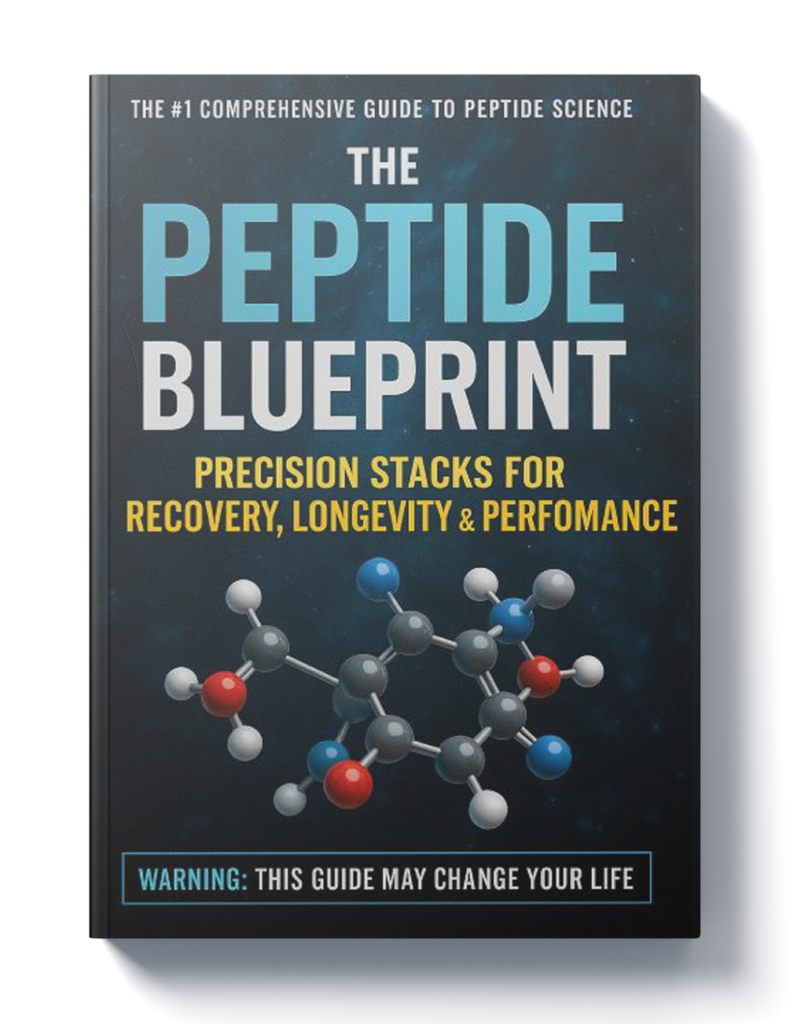
Free Download – The #1 Reference Guide
The Ultimate Peptide Blueprint
Reconstitute
5.0mL bacteriostatic water
300mg/mL concentration.
Daily Range
Daily (gradual titration)
Storage
Lyophilized: Freeze at−20 °C (−4 °F)
After reconstitution, refrigerate at 2–8 °C (35.6–46.4 °F) and use within 1–2 weeks.
Free Download
Want the Complete Stack?
These might not just be random symptoms. They could be signs that your body is missing something crucial: glutathione.
Known as the “master antioxidant”, glutathione plays a vital role in keeping your immune system strong, detoxifying your body, and even managing your metabolism.
But when levels of this powerful peptide dip too low, the results can be troubling. From chronic fatigue to weight gain, low glutathione is linked to several health issues.
In this article, we’ll dive into the science behind glutathione—what it is, what it does, and how it supports your body. We’ll explore its research-backed benefits, discuss potential side effects, and share how you can incorporate it into your routine.
By the end, you’ll understand why glutathione is not just a buzzword, but a vital tool for both health-conscious individuals and researchers alike.
Educational guide for reconstitution and daily dosing.
Week 1-2
Daily Dose: 200 MG
67 units
Week 3-4
Daily Dose: 400 MG
133 units
Week 5+
Daily Dose: 600 MG
200 units
Week 8+
Cycle Off
Cycle off
Important
Free Download – Complete Peptide Reference
The Ultimate Peptide Blueprint
When glutathione levels run low, the body’s ability to maintain cellular balance can be compromised. Glutathione plays a critical role in cellular protection, antioxidant defense, and metabolic regulation, so reduced availability may coincide with noticeable changes in overall function.
Lower glutathione levels are commonly associated with increased oxidative stress, a state in which free radicals outpace the body’s natural defenses. Over time, this imbalance may contribute to chronic inflammation, cellular damage, and impaired tissue function.
Scientific literature has consistently explored correlations between low glutathione status and a range of conditions involving neurological, metabolic, and hepatic pathways. Research has examined these relationships in the context of neurodegenerative disorders, insulin sensitivity, and liver stress, highlighting glutathione’s broad relevance across multiple biological systems.
Oxidative stress is a central focus in modern biomedical research, and glutathione is widely recognized as one of the body’s primary endogenous antioxidants. When glutathione availability declines, oxidative markers may increase, potentially accelerating inflammatory signaling and cellular wear.
Because of this, glutathione has become a major point of interest in studies evaluating antioxidant capacity, metabolic efficiency, and cellular resilience.
Ongoing research continues to explore strategies aimed at supporting glutathione levels and maintaining redox balance. Early and ongoing studies suggest that increasing glutathione availability may help modulate oxidative stress, support liver detoxification pathways, and contribute to overall metabolic stability.
While these findings are still being investigated, they underscore why glutathione remains a focal point in antioxidant and metabolic research.
In the next section, we’ll take a closer look at the specific biological roles of glutathione, examining insights from clinical and preclinical research. These studies help clarify why glutathione is considered a cornerstone molecule in oxidative stress and cellular health research.
Oxidative stress occurs when reactive oxygen species (ROS) exceed the body’s ability to neutralize them. Persistent oxidative stress has been linked in research literature to cellular damage affecting lipids, proteins, and DNA. Glutathione helps mitigate this process by directly neutralizing free radicals and maintaining redox balance within cells.
Research has shown glutathione is involved in several key protective mechanisms, including:
Because of these functions, glutathione is widely studied in the context of cellular resilience and mitochondrial health. Mitochondria, which are particularly sensitive to oxidative damage, rely heavily on adequate glutathione availability to maintain normal function.
As noted in the scientific literature, glutathione’s role in protecting mitochondria and regulating oxidative stress makes it a foundational molecule in cellular health research.
Glutathione’s broad involvement across antioxidant defense, metabolism, immune regulation, and detoxification explains why it remains a central topic in biochemical and clinical research.
Rather than acting in isolation, glutathione functions as a regulatory molecule, influencing how cells respond to stress, manage energy, and maintain internal balance. Ongoing research continues to explore how glutathione availability affects long-term cellular health and resilience across multiple biological systems.
Yes.
Glutathione is widely regarded as safe when used appropriately. In fact, its safety profile has been demonstrated across various studies and applications, making it a reliable choice for many.
For oral use, doses of up to 500 mg daily for two months are typically well-tolerated. For more immediate and potent results, however, subcutaneous glutathione injections with a peptide pen or insulin syringe is often preferred.
This method allows for greater bioavailability, bypassing the digestive system entirely. Plus, with proper preparation, subcutaneous glutathione can be used in the comfort of your own home as a DIY solution for health-conscious individuals.
While the safety record is excellent, keep a few things in mind:
Overall, when used responsibly, glutathione offers powerful benefits with minimal risks, making it a top choice for those looking to enhance their well-being.
While glutathione is generally well-tolerated, understanding potential side effects is crucial to ensure safe use. Thankfully, most reactions are mild and manageable, allowing you to use glutathione with confidence.
Here’s a breakdown of possible side effects:
What about more serious issues? These are exceedingly rare but worth mentioning:
The key to avoiding these side effects is proper dosing and sourcing your product from reliable suppliers. With these precautions, glutathione remains one of the safest and most effective options for improving your health.
Important

Joe Mars
Founder, The Peptide Report
I’m Joe Mars, and I’ve dedicated the past ten years to understanding peptide therapy, longevity, and how to optimize the body through practical, real-life testing. My journey started when I was tired, inflamed, and aging faster than I should have been. Clear information on peptides was almost impossible to find, so I dug in, researched nonstop, and tested protocols on myself.
Over the years, I have learned from experts like Jay Campbell, Dr. Seeds, Jim LaValle, and Ben Greenfield, and I have completely transformed my health. Now in my fifties, I feel stronger and sharper than I did in my twenties. That experience is why I write. I want to give people simple and honest guidance so they can use peptides safely and effectively.
I believe in data, smart protocols, and taking responsibility for your own health. You are the protocol. Your habits, your consistency, and your awareness shape your results. Through The Peptide Report, I share what actually works so you can make informed decisions and build a healthier, more resilient body.
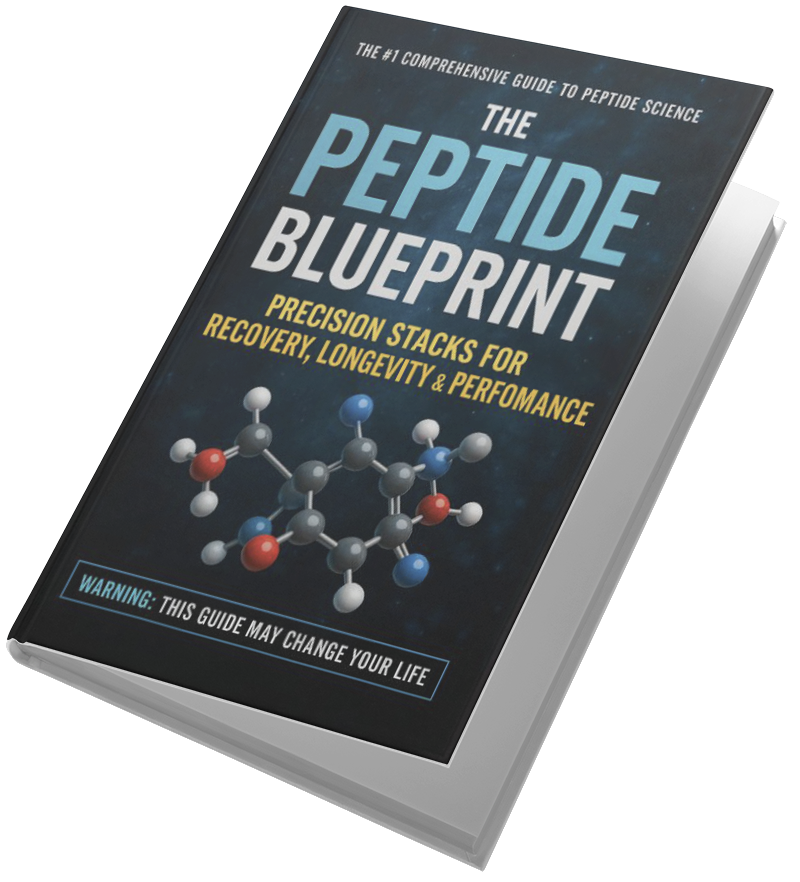
Instant e-Book Download