
Research Peptide
Peptide
How it Works
Primary Research
Alternative Names
PL 14736, Body Protection Compound 157
Key Studies
Potential Risks
Chemical Structure
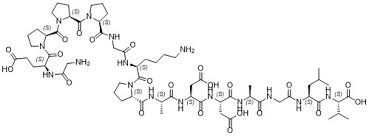
BPC-157, short for Body Protection Compound-157, is a synthetic peptide derived from a naturally occurring compound found in the gastric juices of humans. Known for its regenerative properties, it has garnered attention in the scientific community for its potential applications in healing and tissue repair.
The peptide is composed of 15 amino acids, making it small but incredibly powerful. Its primary role in the body is to protect and heal the gastrointestinal tract, but research indicates its effects may extend to other areas, including muscle and nerve tissue.
BPC-157 functions by stimulating vascular endothelial growth factor (VEGF), promoting the formation of new blood vessels, and enhancing collagen production. These mechanisms have implications for wound healing, inflammation reduction, and tissue regeneration.
As of now, most studies have been conducted on animals, though anecdotal evidence from human users has spurred increasing interest in the peptide’s therapeutic applications.
BPC-157 has garnered attention due to its multifaceted role in promoting healing and regeneration. It operates by enhancing the body’s natural repair mechanisms, particularly through angiogenesis, the formation of new blood vessels. This ensures that damaged tissues receive an adequate supply of oxygen and nutrients for faster recovery.
Another key function of BPC-157 is its ability to protect the gastrointestinal tract. This peptide strengthens the mucosal barrier, preventing and reversing damage caused by stress, medication overuse, or toxins. Its protective qualities extend to other tissues, such as tendons, ligaments, and muscles, making it a versatile therapeutic option.
Moreover, BPC-157 interacts with the central nervous system, potentially aiding in nerve regeneration and improving mental clarity. It also exhibits anti-inflammatory effects, reducing swelling and pain in both acute and chronic conditions.
In summary, BPC-157’s main functions include:
The therapeutic potential of BPC-157 is supported by extensive preclinical research and anecdotal evidence from early human applications. Below are its key benefits, alongside insights from clinical and animal studies:
Tissue Repair
Promotes muscle, tendon, and ligament healing.
Inflammation Control
Reduces swelling and alleviates chronic pain.
Nerve Support
Athletic Recovery
BPC-157’s therapeutic potential has been extensively studied in preclinical settings, particularly in animal models. These studies demonstrate its remarkable ability to accelerate healing across various tissues. For instance, research involving rats with Achilles tendon injuries revealed significant improvements in healing time, enhanced tissue strength, and restoration of functionality. Similar results have been observed in studies focusing on muscle tears and ligament damage.
Gastrointestinal health is another area where BPC-157 shows immense promise. Rodent studies highlight its ability to prevent and heal stomach ulcers induced by stress, NSAIDs, or alcohol. It has also been effective in repairing intestinal damage caused by inflammatory conditions like Crohn’s disease and colitis.
Neurological studies suggest that BPC-157 may protect neurons from oxidative stress and trauma, potentially offering benefits for neurodegenerative diseases. Meanwhile, organ protection has also been documented; in animal models, the peptide reduced liver and kidney damage caused by toxins and medication overuse.
While human trials are still limited, anecdotal reports from early adopters and peptide enthusiasts are overwhelmingly positive. Users frequently highlight faster recovery, reduced inflammation, and improved overall well-being.
These promising findings underscore the potential of BPC-157 as a game-changing therapeutic peptide, inviting further research and exploration into its applications.
While BPC-157 is gaining traction in research circles, its side effects in humans are not fully understood due to limited clinical data. Most information comes from animal studies and anecdotal reports, which provide some guidance but lack comprehensive validation.
The most commonly reported side effects include:
One theoretical concern raised by researchers is its role in angiogenesis, or new blood vessel formation. While this is beneficial for wound healing, some speculate it could accelerate the growth of existing tumors. However, no conclusive evidence supports this claim, and it remains a topic of debate.
Preclinical studies suggest that BPC-157 has a favorable safety profile. Animal experiments have shown low toxicity levels, even when administered at high doses. That said, translating these results to humans requires caution due to potential differences in physiology.
It’s also worth noting that anecdotal accounts rarely report serious adverse effects when BPC-157 is used responsibly. Ensuring proper handling, adherence to dosing protocols, and use of sterile injection materials can minimize risks. Consulting a healthcare professional or qualified researcher is strongly recommended for experimental applications.
The safety of BPC-157 is a key factor driving its widespread interest among peptide enthusiasts and researchers. While it is yet to receive FDA approval, available evidence from studies and user experiences highlights a promising safety profile when used responsibly.
One of its most notable attributes is its low toxicity. Animal research indicates that even at high doses, BPC-157 is well-tolerated, with minimal to no significant adverse effects reported.
Here are key reasons why BPC-157 is often considered safe. Despite these promising attributes, ongoing human trials are needed to verify its safety and efficacy in broader populations. When handled properly and used within suggested guidelines, BPC-157 appears to present an attractive option for individuals seeking its benefits.
Because BPC-157 is derived from a naturally occurring gastric peptide, the body recognizes it more easily, making it less likely to trigger allergic reactions or immune responses. This characteristic enhances its appeal for individuals with sensitivity to synthetic compounds.
Research suggests that BPC-157 can counteract damage caused by harmful substances, such as NSAIDs or alcohol, by promoting tissue resilience and healing. This property may make it useful in recovery from both acute injuries and chronic conditions.
Injection: This is the most effective method, as it allows the peptide to bypass the digestive system. Subcutaneous injections (under the skin) are commonly used for systemic effects, while intramuscular injections (into the muscle) are preferred for targeting specific injuries.
Oral capsules or solutions: While less potent, this method may still benefit those seeking digestive or gastric protection since it mimics the peptide’s natural origin in the stomach.
Daily Range
200-500 MCG
Beginner’s Range
200 MCG
Always reconstitute the peptide using bacteriostatic water. This ensures sterility and maintains the compound’s potency. Avoid shaking the vial; instead, swirl it gently to mix the contents without degradation.
Rotate injection sites to reduce discomfort and prevent tissue irritation. Popular sites include the abdomen for subcutaneous injections or the thigh for intramuscular ones.
For best results, administer the peptide at the same time daily to ensure consistent absorption and predictable outcomes.
Proper storage is also crucial. Keep the vial in a cool, dark place, such as a refrigerator, to preserve its stability. Following these steps ensures safe and effective use, helping users achieve their desired outcomes with minimal hassle.
Bacteriostatic water, also known as Reconstitution Solution, is essential for reconstituting BPC-157, ensuring the peptide remains sterile and effective. This specially prepared water contains a small amount of benzyl alcohol, which inhibits bacterial growth, extending the shelf life. Reconstituted BPC-157 can be stored in the fridge for 6-8.
The optimal reconstitution ratio is 2mL of Reconstitution Solution for a 10MG vial of BPC-157. This gives you a concentration of 5mg peptide per 1mL of reconstituted solution. So if you want a twice daily dose of:
100mcg = 0.02mL
(2 units on an insulin syringe or most brands of peptide pens)
250mcg = 0.05mL
(5 units on an insulin syringe or most brands of peptide pens)
If you want to learn about Peptide Pens (as a needless alternative to insulin syringes) or want more information on how to reconstitute, inject and store peptides the right way, read our article Peptide Safety 101.
The most common methods of administration include:
Each method has its own merits, and the best approach depends on the intended research use.
Yes, BPC-157 has shown promise in aiding digestive health. Research indicates that it may help repair the gut lining, reduce inflammation, and support conditions like inflammatory bowel disease (IBD) and ulcers.
Yes, peptides like TB-500 offer similar regenerative properties. TB-500 is particularly noted for its ability to promote wound healing and improve muscle recovery, making it a complementary or alternative option for some researchers.
BPC-157 has emerged as a groundbreaking innovation in peptide research. Its potential to accelerate healing, reduce inflammation, and promote tissue regeneration places it at the forefront of regenerative medicine. Researchers worldwide continue to delve into its applications, uncovering more ways this peptide can transform recovery and health optimization.
From aiding injury recovery to supporting digestive health, BPC-157’s versatility is unmatched. It boasts a robust safety profile and a growing body of research that highlights its practical benefits. By understanding its proper administration and exploring its potential, researchers can harness this peptide’s full power for various applications in regenerative science.
BPC-157 Tendon Healing and Fibroblast Migration
Gwyer, D., Wragg, N. M., & Wilson, S. L. (2019). Gastric pentadecapeptide BPC 157 and its role in accelerating musculoskeletal soft tissue healing. Cell and Tissue Research, 377(2), 153–159. https://doi.org/10.1007/s00441-019-03016-8
BPC-157 Wound Healing and Granulation Tissue Formation
Sikiric, P., Seiwerth, S., & Staresinic, M. (1993). The effect of BPC 157 on granulation tissue formation, angiogenesis, and collagen production in rat skin wounds. Journal of Physiology and Pharmacology, 44(4), 413–421. https://pubmed.ncbi.nlm.nih.gov/9403790/
Zoric, Z., et al. (2015). Body protective compound-157 enhances alkali-burn wound healing in vivo and promotes proliferation, migration, and angiogenesis in vitro. Journal of Surgical Research, 194(2), 469–477. https://doi.org/10.1016/j.jss.2014.10.015PMC
Krivic, A., Anic, T., Seiwerth, S., Huljev, D., & Sikiric, P. (2006). Stable gastric pentadecapeptide BPC 157 promotes tendon-to-bone healing and opposes corticosteroid aggravation. Journal of Orthopaedic Research, 24(5), 982–989. https://doi.org/10.1002/jor.20096
Gwyer, D., Wragg, N. M., & Wilson, S. L. (2019). Gastric pentadecapeptide BPC 157 and its role in accelerating musculoskeletal soft tissue healing. Cell and Tissue Research, 377(2), 153–159. https://doi.org/10.1007/s00441-019-03016-8
Staresinic, M., et al. (2006). Gastric pentadecapeptide body protection compound BPC 157 and its role in accelerating musculoskeletal soft tissue healing. Cell and Tissue Research, 377(2), 153–159. https://doi.org/10.1007/s00441-019-03016-8SpringerLink+1PubMed+1
BPC-157 Gastrointestinal Healing and Colonic Injury
Sikiric, P., Seiwerth, S., & Staresinic, M. (1993). The effect of BPC 157 on colonic anastomosis healing in rats. Journal of Physiology and Pharmacology, 44(4), 423–429.
https://pubmed.ncbi.nlm.nih.gov/9403790/

Joe Mars
Founder, The Peptide Report
I’m Joe Mars, and I’ve dedicated the past ten years to understanding peptide therapy, longevity, and how to optimize the body through practical, real-life testing. My journey started when I was tired, inflamed, and aging faster than I should have been. Clear information on peptides was almost impossible to find, so I dug in, researched nonstop, and tested protocols on myself.
Over the years, I have learned from experts like Jay Campbell, Dr. Seeds, Jim LaValle, and Ben Greenfield, and I have completely transformed my health. Now in my fifties, I feel stronger and sharper than I did in my twenties. That experience is why I write. I want to give people simple and honest guidance so they can use peptides safely and effectively.
I believe in data, smart protocols, and taking responsibility for your own health. You are the protocol. Your habits, your consistency, and your awareness shape your results. Through The Peptide Report, I share what actually works so you can make informed decisions and build a healthier, more resilient body.
Instant e-Book Download