
Table of Contents
 I’ve watched a lot of people go through the opioid cycle.
They get hurt. They get a prescription. It works for a while. Then it stops working as well. The dose goes up. The side effects pile up. And suddenly they’re dealing with two problems instead of one.
There’s a better direction. And peptides are a big part of it.
Here’s what the research actually shows.
Get Your Free Copy of The Ultimate Peptide Blueprint Exact stacks, dosages & cutting-edge protocols to cut fat, build muscle, and keep results-no fluff. No spam. Unsubscribe anytime.
Why Traditional Painkillers Are Failing People
Opioids have been the go-to for chronic pain for decades. And they do work, at first.
The problem is what happens over time. Your body builds tolerance. You need more to get the same effect. Dependency creeps in. Researchers at the University at Buffalo have documented this extensively. The body adapts, and what started as pain relief turns into a cycle that’s hard to break.
That’s not a moral failure on anyone’s part. It’s biology. But it means we need better options.
Peptides can get expensive, but as an FYI - BioEdge is doing 15% off this month (code MARS15 at bioedgepeptides.com), one of the few suppliers that consistently delivers what their lab reports claim.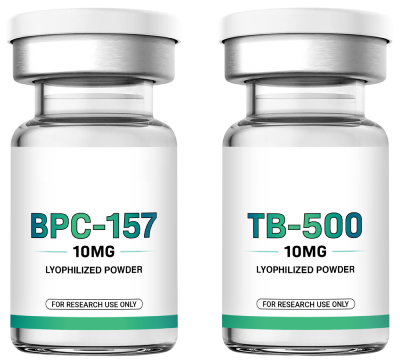
How Peptides Work Differently for Neuropathic Pain Relief
Peptides don’t work like opioids. That’s the whole point.
Instead of broadly suppressing your nervous system, peptides target specific receptors on specific neurons. They modulate the signals that tell your brain you’re in pain, without hitting everything else at the same time.
Think of it like a scalpel versus a sledgehammer. Opioids affect a lot of systems. Peptides go after the source.
That precision is why the side effect profile looks so different. And it’s why researchers are paying serious attention to this space.
The Science Behind Peptides and Pain Signaling
Here’s what’s actually happening at the cellular level, in plain terms.
Peptides can block calcium channels. Calcium ion flow is a key driver of how pain signals travel through your nervous system. Disrupt that flow, and you reduce the signal.
They also interfere with a process called endocytosis involving proteins called CRMP2 and CBD3. When that process gets disrupted, fewer pain receptors get internalized, which means fewer pain signals get amplified.
University at Buffalo researchers have confirmed these mechanisms through electrophysiology studies. This isn’t theoretical. It’s been measured.
Peptides vs. Opioids for Chronic Pain: What the Research Shows
The case for peptides in chronic pain comes down to a few key differences.
No addiction risk. Peptides don’t trigger the reward pathways that make opioids so habit-forming. That alone is significant.
Targeted relief. They go after the specific source of pain rather than broadly suppressing the central nervous system.
Fewer side effects. Because they’re precise, you’re not dealing with the same downstream effects that opioids bring.
For people who have been on opioids long-term and aren’t getting the results they need, peptides represent a real alternative worth talking to a doctor about.
Peptides from BioEdge Research Labs
The research I covered above is exciting. But I know the first question most people have is: what can I actually use right now?
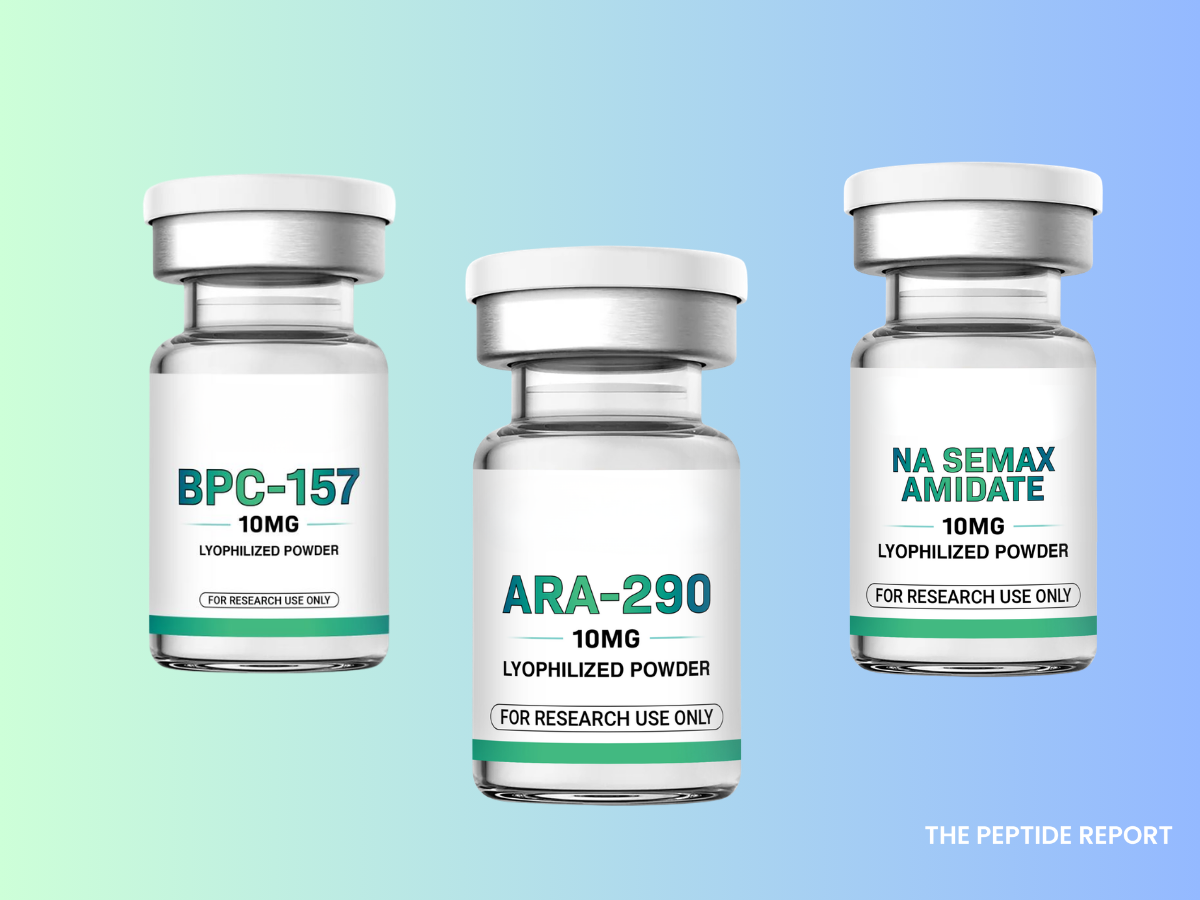
Here are four peptides available at BioEdge Research Labs that are worth knowing about if you’re dealing with chronic or neuropathic pain.
Peptides can get expensive, but as an FYI - BioEdge is doing 15% off this month (code MARS15 at bioedgepeptides.com), one of the few suppliers that consistently delivers what their lab reports claim.
ARA-290: The Peptide Built Specifically for Nerve Pain
This one deserves more attention than it gets.
ARA-290 is derived from erythropoietin, a protein your body already makes. But unlike erythropoietin itself, ARA-290 was specifically engineered to target tissue protection and nerve repair without affecting red blood cell production.
It works by activating the innate repair receptor, which is directly involved in reducing neuroinflammation. That’s the inflammation in your nervous system that drives a lot of neuropathic pain.
Clinical studies have looked at ARA-290 specifically for diabetic neuropathy and small fiber neuropathy. The results have been encouraging. Reduced pain scores, improved nerve function, better quality of life.
If neuropathic pain is your primary concern, ARA-290 is the one I’d research first.
Find the dosing guide here: ARA-290 (13mg Vial) Dosage Protocol
BioEdge Research Labs carries it in 10mg and 16mg vials. Use code MARS15 for 15% off.
BPC-157: The Recovery Peptide That Also Supports the Nervous System
Most people know BPC-157 for injury recovery. I used it myself for an Achilles injury and it made a real difference.
But what a lot of people don’t realize is that BPC-157 also has documented neuroprotective effects. It promotes the growth of new blood vessels, supports nerve regeneration, and has shown anti-inflammatory properties in the central and peripheral nervous system.
For people dealing with pain that has a nerve component, whether from injury, surgery, or chronic inflammation, BPC-157 addresses multiple pieces of the puzzle at once.
BioEdge Research Labs carries it in 500mcg capsules and 10mg vials. There’s also a BPC-157 + TB-500 combo (5mg/5mg) if you want to stack it with TB-500 for enhanced tissue repair.
Find a guide for dosing here: BPC-157 (10mg Vial) Dosage Protocol
NA Semax Amidate: For the Brain Side of Chronic Pain
Chronic pain isn’t just physical. It changes how your brain processes signals. Over time, the nervous system becomes sensitized, meaning it starts amplifying pain even when the original injury has healed. That’s called central sensitization, and it’s why some people stay in pain long after they should have recovered.
NA Semax Amidate is a peptide that supports brain-derived neurotrophic factor (BDNF). BDNF plays a direct role in how your nervous system adapts and repairs itself.
There’s research showing Semax can reduce neuroinflammation and help modulate the way the central nervous system responds to pain signals. It’s not a traditional painkiller. But for people dealing with the neurological component of chronic pain, it’s a tool worth knowing about.
Peptides can get expensive, but as an FYI - BioEdge is doing 15% off this month (code mars15 at bioedgepeptides.com), one of the few suppliers that consistently delivers what their lab reports claim.
Frequently Asked Questions
Joe Mars
P.S. — Join Our Exclusive Skool Group for real stories, sleep protocols, and community support.
The Peptide Report
This content is for educational purposes only. Peptides should be used under proper supervision. Always consult qualified healthcare providers before beginning any peptide protocol.

I’m Joe Mars, and I’ve dedicated the past ten years to understanding peptide therapy, longevity, and how to optimize the body through practical, real-life testing. My journey started when I was tired, inflamed, and aging faster than I should have been. Clear information on peptides was almost impossible to find, so I dug in, researched nonstop, and tested protocols on myself.
Over the years, I have learned from experts like Jay Campbell, Dr. Seeds, Jim LaValle, and Ben Greenfield, and I have completely transformed my health. Now in my fifties, I feel stronger and sharper than I did in my twenties. That experience is why I write. I want to give people simple and honest guidance so they can use peptides safely and effectively.
I believe in data, smart protocols, and taking responsibility for your own health. You are the protocol. Your habits, your consistency, and your awareness shape your results. Through The Peptide Report, I share what actually works so you can make informed decisions and build a healthier, more resilient body.
Peptides can get expensive, but as an FYI - BioEdge is doing 15% off this month (code mars15 at bioedgepeptides.com), one of the few suppliers that consistently delivers what their lab reports claim.