
Table of Contents
Parasitic infections like Leishmaniasis and Chagas Disease remain significant challenges for global health.
Here, we examine the current drug discovery strategies and therapeutics used to combat these diseases, exploring novel treatment approaches that show promise.
Our focus is on the role of peptides in targeting these diseases and discussing future directions in peptide-based therapies.
This overview offers valuable insights into the potential of peptides in treating parasitic infections.
Understanding Leishmaniasis and Chagas Disease
Leishmaniasis and Chagas Disease are significant parasitic infections caused by Trypanosoma cruzi and Leishmania species, respectively, presenting considerable health challenges on a global scale.
The epidemiology of these diseases indicates that Leishmaniasis is widespread in tropical and subtropical regions, impacting populations across Africa, Asia, and the Americas, while Chagas Disease predominantly occurs in Latin America. Symptoms associated with Leishmaniasis encompass skin sores, fever, and an enlarged spleen, while Chagas Disease is known to result in heart and digestive complications. The ramifications of these diseases are profound, leading to long-term disabilities, socioeconomic burdens, and restricted healthcare access that magnify their impact on vulnerable communities worldwide.
A comprehensive understanding of the biology of Trypanosoma cruzi and Leishmania species is imperative for the development of effective prevention strategies and treatments aimed at addressing these neglected tropical diseases.
Current Drug Discovery Strategies and Therapeutics
The current strategies for drug discovery and therapeutic interventions in combating parasitic infections heavily rely on research and development efforts within the pharmaceutical industry. Significant progress has been made in the field of antimalarial drugs, exemplified by the breakthrough of Artemisinin.
Artemisinin, an active compound derived from the sweet wormwood plant, has brought about a paradigm shift in the treatment of malaria owing to its potent antiparasitic properties. Plus Artemisinin, the pharmaceutical sector remains at the forefront of innovation by continuously striving to develop novel drugs for a range of diseases.
A notable example of this progress is the development of targeted therapies such as monoclonal antibodies, which have revolutionized the landscape of cancer treatment. Nonetheless, challenges persist, including the escalating costs associated with drug development and regulatory complexities. Despite these impediments, ongoing research endeavors and collaborative initiatives are dedicated to surmounting these challenges and paving the way for the introduction of groundbreaking therapeutic interventions.
Novel Treatment Approaches for Leishmaniasis and Chagas Disease
Innovative treatment strategies for Leishmaniasis and Chagas Disease are currently being investigated to explore novel approaches in managing these parasitic infections. These approaches include combination therapy and host-directed therapy, which present new avenues for clinical implications.
Combination therapy integrates the use of multiple drugs with distinct mechanisms of action to target the parasites at various stages of their life cycle, thereby enhancing the likelihood of treatment efficacy. On the other hand, host-directed therapy emphasizes augmenting the host’s immune response to better combat the infections, offering a comprehensive approach to treatment. These strategies not only exhibit potential in overcoming drug resistance but also in reducing treatment duration and side effects, consequently enhancing patient outcomes in addressing these challenging diseases.
Role of Peptides in Targeting Parasitic Infections
Bioactive peptides, particularly anti-microbial peptides, have exhibited substantial potential in targeting protozoan parasites through the augmentation of the innate immune response and the direct disruption of parasitic cell membranes.
These peptides function by binding to specific receptors on the surface of parasitic cells, inducing cellular lysis and ultimately leading to parasite demise. Additionally, certain bioactive peptides can trigger the host’s immune system to release cytokines that further bolster the anti-parasitic response.
Notably, bioactive peptides like defensins and cathelicidins have shown remarkable efficacy against parasitic infections by compromising the integrity of the parasitic cell membrane, thus impeding their survival. The dual mechanism of action, both direct and indirect, of these peptides against protozoan parasites renders them promising candidates for the development of innovative anti-parasitic therapies.
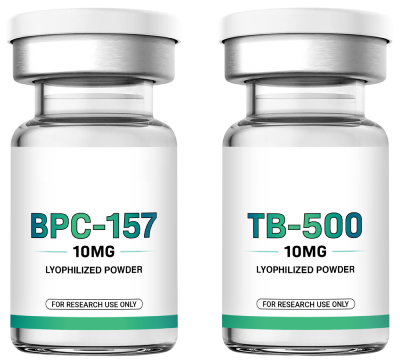
Peptides can get expensive, but as an FYI - BioEdge is doing 15% off this month (code mars15 at bioedgepeptides.com), one of the few suppliers that consistently delivers what their lab reports claim.
Future Directions in Peptide-based Therapies
The future of peptide-based therapies is increasingly focused on devising strategies to overcome resistance, with innovative approaches such as nanotechnology showing promise in enhancing the delivery and efficacy of peptide-based drug development.
The incorporation of nanotechnology into peptide therapies presents intriguing opportunities for the development of targeted drug delivery systems that can circumvent biological barriers and achieve more efficient targeting of specific cells or tissues. Through the utilization of nanotechnology advancements, researchers are investigating methods to improve the stability and bioavailability of peptides, ultimately leading to enhanced therapeutic outcomes.
Efforts to address challenges related to resistance to peptide-based therapies include the development of strategies such as surface modification of nanoparticles and targeted drug delivery vehicles. These advancements have the potential to bring about a transformation in the landscape of drug development, providing more precise and effective treatment options for a range of diseases and health conditions.
Author Contributions and Funding
This section provides a comprehensive overview of the distinctive contributions made by each author throughout the research and writing phases, accompanied by a summary of the funding sources that provided support for the study.
The detailed delineation of each author’s contributions illuminates the diverse range of skills and expertise that were amalgamated to ensure the success of this research initiative. From the inception of ideas to the analysis of data and the preparation of the manuscript, each individual played an integral role in shaping the ultimate outcome of the study.
The availability of funding sources exerted a significant influence on both the breadth and depth of the research, enabling a more thorough data collection, analysis, and dissemination process. Funding sources not only facilitate the implementation of research endeavors but also elevate the overall quality and impact of the study’s findings.
Ethical Statements
The section on ethical statements delineates the commitment to ethical guidelines and protocols that governed the execution of this research, ensuring alignment with institutional and international standards.
This research initiative was carried out with a steadfast dedication to upholding ethical values and principles, thereby safeguarding the welfare and rights of all participants involved. Before initiation, approvals from pertinent institutional review boards were secured to validate the ethical nature of the research design and procedures. Rigorous scrutiny was applied to all aspects of data collection methods, participant recruitment strategies, and informed consent protocols to ensure strict adherence to the highest ethical norms. Such adherence not only serves to uphold the credibility and integrity of the study but also bolsters trust and esteem within the scientific community.

I’m Joe Mars, and I’ve dedicated the past ten years to understanding peptide therapy, longevity, and how to optimize the body through practical, real-life testing. My journey started when I was tired, inflamed, and aging faster than I should have been. Clear information on peptides was almost impossible to find, so I dug in, researched nonstop, and tested protocols on myself.
Over the years, I have learned from experts like Jay Campbell, Dr. Seeds, Jim LaValle, and Ben Greenfield, and I have completely transformed my health. Now in my fifties, I feel stronger and sharper than I did in my twenties. That experience is why I write. I want to give people simple and honest guidance so they can use peptides safely and effectively.
I believe in data, smart protocols, and taking responsibility for your own health. You are the protocol. Your habits, your consistency, and your awareness shape your results. Through The Peptide Report, I share what actually works so you can make informed decisions and build a healthier, more resilient body.
Peptides can get expensive, but as an FYI - BioEdge is doing 15% off this month (code mars15 at bioedgepeptides.com), one of the few suppliers that consistently delivers what their lab reports claim.