
Tesamorelin (10mg Vial) Dosage Protocol
Quickstart Highlights
Tesamorelin, also known by its FDA-approved brand name Egrifta, is a synthetic peptide designed to mimic the body’s natural growth hormone–releasing hormone (GHRH). Its primary function is to stimulate the pituitary gland to increase the release of growth hormone, a key regulator of metabolic activity, fat distribution, and overall physiological balance.
Tesamorelin was originally approved for the treatment of HIV-associated lipodystrophy, a condition characterized by excess accumulation of abdominal fat. Since then, it has drawn broader research interest due to its targeted effects on visceral fat, the metabolically active fat stored around internal organs that is closely linked to cardiometabolic risk.
Because of this selective action, Tesamorelin continues to be studied for its role in body composition, metabolic regulation, and hormone-mediated pathways beyond its initial clinical indication.
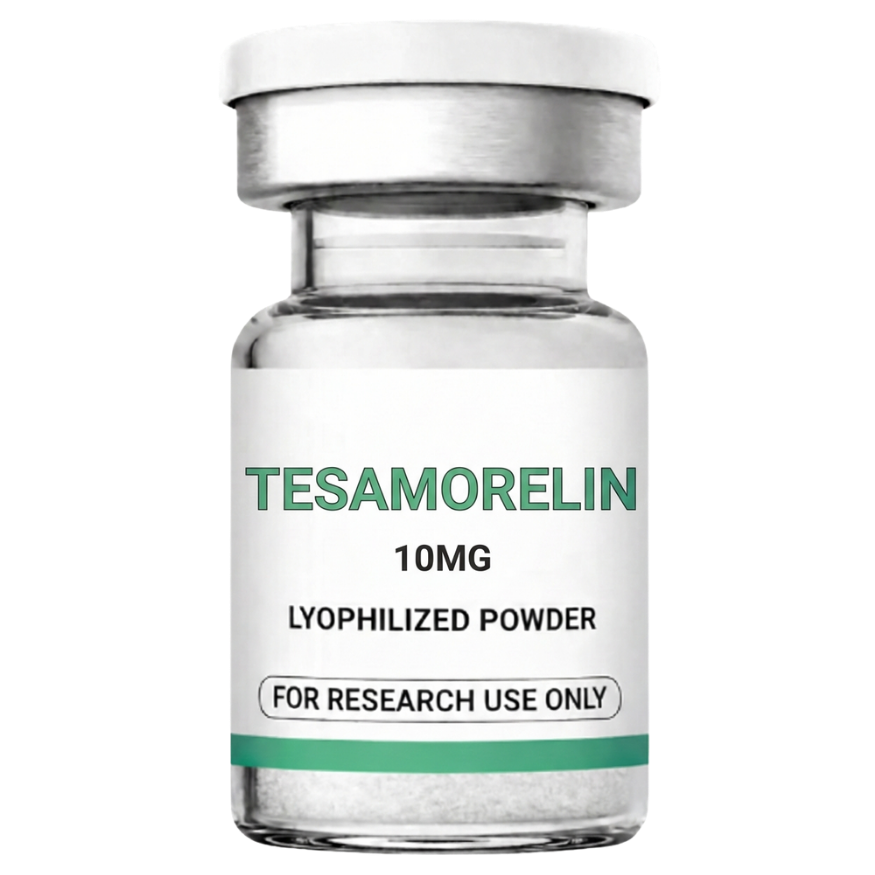
Dosing & Reconstitution Guide
Educational guide for reconstitution and daily dosing
Standard / Gradual Approach
WEEK | DAILY DOSE | UNITS (PER INJECTION) (ML) |
|---|---|---|
Weeks 1 | 1mg (1,000 mcg) | 30 units |
Weeks 2–12 and beyond | 2mg (2,000 mcg) | 60 units |
Cell | Cell | Cell |
Cell | Cell | Cell |
Reconstitution Steps
Important: This guide is for educational purposes only and is not medical advice. For research use only. Not for human or animal use. LAB ONLY.
Dosing Overview
Suggested daily titration approach.
Protocol Overview
Concise summary of the once‑daily regimen.
Storage Instructions
Proper storage preserves peptide quality and potency.
How Tesamorelin Works in the Body
Tesamorelin functions by closely replicating the body’s own growth hormone–releasing hormone (GHRH). After administration, it binds to GHRH receptors in the pituitary gland, signaling the release of endogenous growth hormone (GH).
Once GH enters circulation, it prompts the liver to produce insulin-like growth factor 1 (IGF-1). IGF-1 plays a central role in regulating tissue growth, metabolic activity, and fat utilization. This downstream cascade is what makes Tesamorelin particularly effective in research related to visceral fat reduction while helping preserve lean tissue.
Unlike short-acting compounds that cause brief spikes in growth hormone, Tesamorelin provides a sustained signaling effect. This longer duration leads to more stable GH and IGF-1 levels over time, which has been associated in studies with improved metabolic markers and, in some cases, enhanced recovery and sleep quality.
Rather than delivering a sudden surge, Tesamorelin offers a steady hormonal signal—an approach that supports more gradual, consistent, and potentially sustainable outcomes.
Tesamorelin Side Effects
Understanding how Tesamorelin is commonly approached in research settings—along with its safety considerations—helps support informed and responsible use.
Dosage Guidelines
A conservative approach works best: begin at a lower dose and increase only if well tolerated.
Across clinical references and research protocols, Tesamorelin dosing follows relatively consistent patterns. The most frequently cited research dose is 300 mcg administered subcutaneously, typically on a 5-days-on / 2-days-off schedule. Common cycle structures involve 8 weeks of use followed by an 8-week break, or discontinuation once study objectives are met.
Example Dosing Approaches
Introductory Protocol
150 mcg nightly, subcutaneous
5 days on / 2 days off
Intended for first-time users or those seeking a lower-intensity introduction
Monitor sleep quality, energy levels, and fasting glucose
Standard Research Protocol
300 mcg nightly, subcutaneous
5 days on / 2 days off
Often administered 60–90 minutes after the final meal, aligning with natural growth hormone rhythms
Monitoring recommendation: establish baseline fasting glucose and IGF-1, then reassess periodically
Advanced / Targeted Fat Research (supervised use only)
1–2 mg nightly, 5 days on / 2 days off
Cycle length: 10–12 weeks, followed by an extended off-period
This higher-dose approach appears in select practice-based protocols focused on visceral fat, but should only be considered with medical oversight and frequent laboratory monitoring
Safety Overview
Tesamorelin is generally well tolerated when dosing is approached thoughtfully and monitored consistently.
Best practices include:
Starting at the lowest effective dose
Recording daily observations related to energy, sleep, appetite, and side effects
Reviewing trends weekly before considering any dose increase
Adjusting or reducing dosage if side effects become noticeable
Completing a full 8-week on-cycle comfortably is often more valuable than escalating too quickly. After completing a cycle, an 8-week off-period allows physiological systems to reset. When beginning a subsequent cycle, starting slightly below the prior ending dose may help ease re-adaptation.
Commonly Reported Side Effects
Some individuals may experience mild, temporary effects during use, particularly early in a cycle:
Injection site reactions: Mild redness, itching, or swelling; rotating sites helps reduce irritation
Muscle or joint discomfort: Typically mild and transient; may be dose-dependent
Digestive symptoms: Occasional nausea or loose stools; adequate hydration and dose adjustment may help
Headache, fatigue, or sweating: Often short-lived as the body adapts
Metabolic changes: Mild increases in fasting glucose have been reported—regular monitoring is advised
Less Common but Important Risks
Although uncommon, certain effects warrant closer attention.
Insulin Resistance and Blood Sugar Changes
Tesamorelin can increase insulin resistance in some individuals, leading to elevated blood glucose levels.
Why this can occur:
Growth hormone promotes energy mobilization, which can raise blood sugar temporarily
Individuals with existing glucose sensitivity may be more susceptible
Monitoring recommendations:
Check fasting glucose at baseline, again at 2–4 weeks, then every 4 weeks during the cycle, and once after discontinuation
Obtain HbA1c at baseline and every 2–3 months if continuing use
Watch for:
Fasting glucose increases > 20 mg/dL above baseline
HbA1c increases > 0.5 percentage points
Stop immediately and consult a clinician if:
Fasting glucose exceeds 125 mg/dL
HbA1c reaches 6.5% or higher
Symptoms such as excessive thirst or frequent urination appear
Individuals with diabetes or prediabetes should consult a healthcare professional before considering Tesamorelin.
Fluid Retention and Edema
Growth hormone activity can occasionally cause sodium and water retention.
Signs to monitor:
New or worsening swelling in the legs or ankles
Rapid weight gain (e.g., >2 kg / 4.5 lb within 48–72 hours)
Shortness of breath
If these occur, discontinue use and seek medical evaluation. Keeping a weekly weight log can help detect early changes.
Pituitary-Related Considerations
Because Tesamorelin stimulates pituitary activity, individuals with known pituitary tumors or a history of pituitary surgery may face increased risk.
Stop immediately and seek urgent care if any of the following occur:
New or unusually severe headaches
Visual disturbances (blurred vision or loss of peripheral vision)
Repeated vomiting or sudden confusion
Anyone with known pituitary conditions should consult a specialist before use.
Bottom Line
Serious adverse events associated with Tesamorelin are uncommon, but early recognition is critical. Consistent self-monitoring, regular glucose testing, and adherence to cycling guidelines significantly reduce risk.
Track daily symptoms and weekly trends
Monitor fasting glucose and HbA1c regularly
Stop dosing immediately if glucose thresholds are exceeded or if serious symptoms arise
Seek medical guidance promptly when warning signs appear
Responsible dosing, adequate off-cycles, and careful observation are key to maintaining safety throughout Tesamorelin research use.
Tesamorelin Benefits: What Research Shows
Tesamorelin isn’t a one-size-fits-all peptide, but where it’s studied, its effects are well defined. Most research centers on visceral fat reduction, metabolic health, and hormone-related aging support—areas where Tesamorelin stands out from many other peptides.
Visceral Fat Reduction and Body Composition
Tesamorelin is one of the few peptides supported by strong clinical data showing a reduction in visceral adipose tissue (VAT)—the deep abdominal fat that surrounds internal organs.
This type of fat is more than cosmetic. Excess visceral fat is closely linked to:
Increased risk of heart disease and stroke
Type 2 diabetes and insulin resistance
Fatty liver disease and elevated liver enzymes
Chronic inflammation and metabolic syndrome
In clinical studies, Tesamorelin reduced visceral fat by approximately 10–18% over 3–6 months, while preserving lean muscle mass—a key difference compared to aggressive calorie restriction, which often leads to muscle loss.
Research consistently shows Tesamorelin supports:
Targeted reduction of abdominal fat
Improved waist-to-hip ratio
Maintenance of lean tissue during fat loss
This combination is why Tesamorelin is considered especially effective for improving body composition.
Metabolic Health Support
Reducing visceral fat often leads to broader metabolic improvements, and Tesamorelin appears to reinforce that effect.
Studies have reported improvements in:
Triglyceride levels, reducing circulating blood fats
Insulin sensitivity, supporting better glucose control
Cholesterol balance, shifting toward healthier lipid ratios
When used in structured cycles with proper monitoring, research suggests Tesamorelin generally supports metabolic health without causing lasting disruptions to blood sugar regulation. This has made it a focus of study in obesity, metabolic syndrome, and prediabetes-related research.
Hormone Balance and Healthy Aging Research
Growth hormone production naturally declines with age, contributing to increased fat, reduced muscle mass, slower recovery, and changes in sleep and cognition. Tesamorelin stimulates a sustained growth hormone signal, which may influence multiple aging-related systems.
Early research has associated Tesamorelin with:
Physiological increases in IGF-1, supporting tissue maintenance and repair
Improved sleep quality, particularly deeper sleep stages tied to recovery
Enhanced skin tone and recovery capacity, likely linked to collagen and tissue turnover
Preliminary cognitive benefits, including signals related to memory and executive function (with ongoing research)
Is Tesamorelin Safe?
Tesamorelin is generally considered well tolerated when used responsibly and within established dosing frameworks. Most safety concerns are manageable with proper monitoring, conservative dose progression, and structured cycling.
Safety Best Practices
Start low and assess tolerance. Track daily dose, response, and any side effects.
Review progress weekly. If well tolerated and additional effect is desired, gradual dose increases may be considered. If not, maintain or reduce the dose.
Complete the full cycle. The goal is to finish an 8-week on-cycle with manageable side effects rather than escalating too quickly.
Cycle off appropriately. After 8 weeks on, take 8 weeks off to allow hormonal systems to reset. When restarting, begin slightly below your previous dose to re-acclimate.
Common and Reported Side Effects
Most reported side effects are mild and temporary, particularly during early use:
Injection site reactions: Mild redness, swelling, or itching; rotating sites helps minimize irritation.
Muscle or joint discomfort: Usually mild and short-lived; may be dose-related.
Digestive symptoms: Occasional nausea or diarrhea; hydration and dose adjustment often help.
Headache, fatigue, or sweating: Typically resolve as the body adapts.
Metabolic effects: Mild increases in fasting glucose have been reported; regular glucose monitoring is recommended, especially for those with metabolic risk factors.
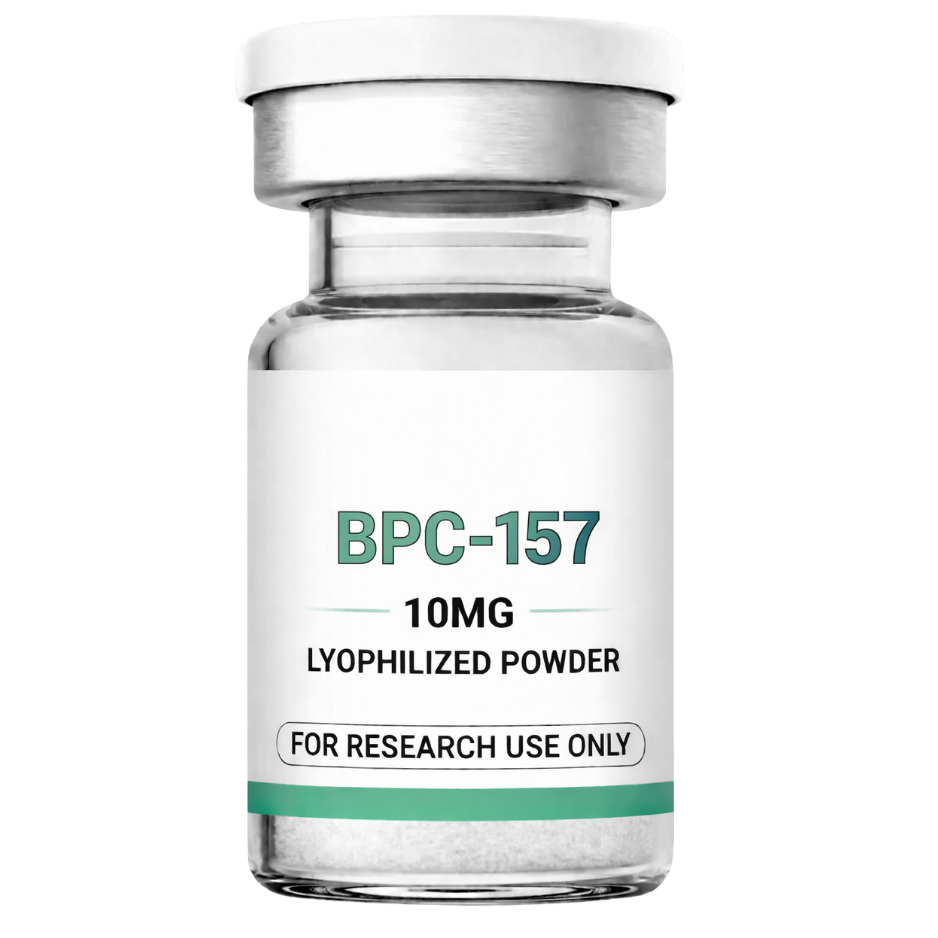
Supplies Needed
Get Your Free Copy of The Ultimate Peptide Blueprint
Exact stacks, dosages & cutting-edge protocols to cut fat, build muscle, and keep results-no fluff.
No spam. Unsubscribe anytime.
Important Notes
Proper storage preserves peptide quality and potency.
Peptides can get expensive, but as an FYI - BioEdge is doing 10% off this month (code pep10 at bioedgepeptides.com), one of the few suppliers that consistently delivers what their lab reports claim.

I’m Joe Mars, and I’ve dedicated the past ten years to understanding peptide therapy, longevity, and how to optimize the body through practical, real-life testing. My journey started when I was tired, inflamed, and aging faster than I should have been. Clear information on peptides was almost impossible to find, so I dug in, researched nonstop, and tested protocols on myself.
Over the years, I have learned from experts like Jay Campbell, Dr. Seeds, Jim LaValle, and Ben Greenfield, and I have completely transformed my health. Now in my fifties, I feel stronger and sharper than I did in my twenties. That experience is why I write. I want to give people simple and honest guidance so they can use peptides safely and effectively.
I believe in data, smart protocols, and taking responsibility for your own health. You are the protocol. Your habits, your consistency, and your awareness shape your results. Through The Peptide Report, I share what actually works so you can make informed decisions and build a healthier, more resilient body.