
Table of Contents
Parkinson’s is one of those diagnoses that changes everything.
It’s not just tremors.
It’s movement, mood, sleep, motivation, speech, digestion.
And for a lot of people, it feels like the options are limited.
So when I see real research exploring peptides in Parkinson’s, I pay attention.
Not because peptides are a cure.
They’re not.
Because certain peptides are being researched for how they interact with protein buildup, inflammation, and stress inside neurons.
That’s what we’re looking at here.
Get Your Free Copy of The Ultimate Peptide Blueprint Exact stacks, dosages & cutting-edge protocols to cut fat, build muscle, and keep results-no fluff. No spam. Unsubscribe anytime.
Overview of Parkinson’s Disease and the Role of Peptides
Parkinson’s disease mainly impacts dopaminergic neurons in the substantia nigra.
Those neurons regulate movement and coordination.
As they decline, dopamine drops.
That’s when motor symptoms begin to show up.
On top of that, alpha-synuclein can misfold and clump together.
Those clumps contribute to Lewy bodies.
And that aggregation plays a major role in neuronal stress.
Peptides can get expensive, but as an FYI - BioEdge is doing 10% off this month (code pep10 at bioedgepeptides.com), one of the few suppliers that consistently delivers what their lab reports claim.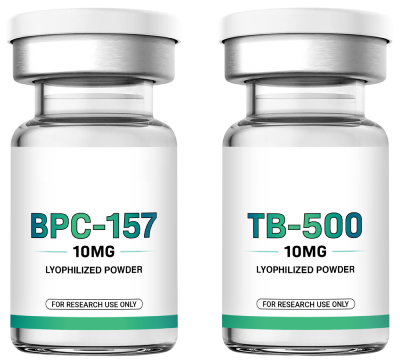
Peptides as Therapeutic Agents
Peptides are being studied because they can be designed to interact with very specific molecular targets.
Protein interactions.
Inflammatory signaling.
Neuroprotective pathways.
Understanding the Potential of Peptides in Treating Parkinson’s Disease
The idea is not to “fix” Parkinson’s overnight.
It’s to influence mechanisms that contribute to progression.
Reduce toxic aggregation.
Lower inflammatory stress.
Support neuron resilience.
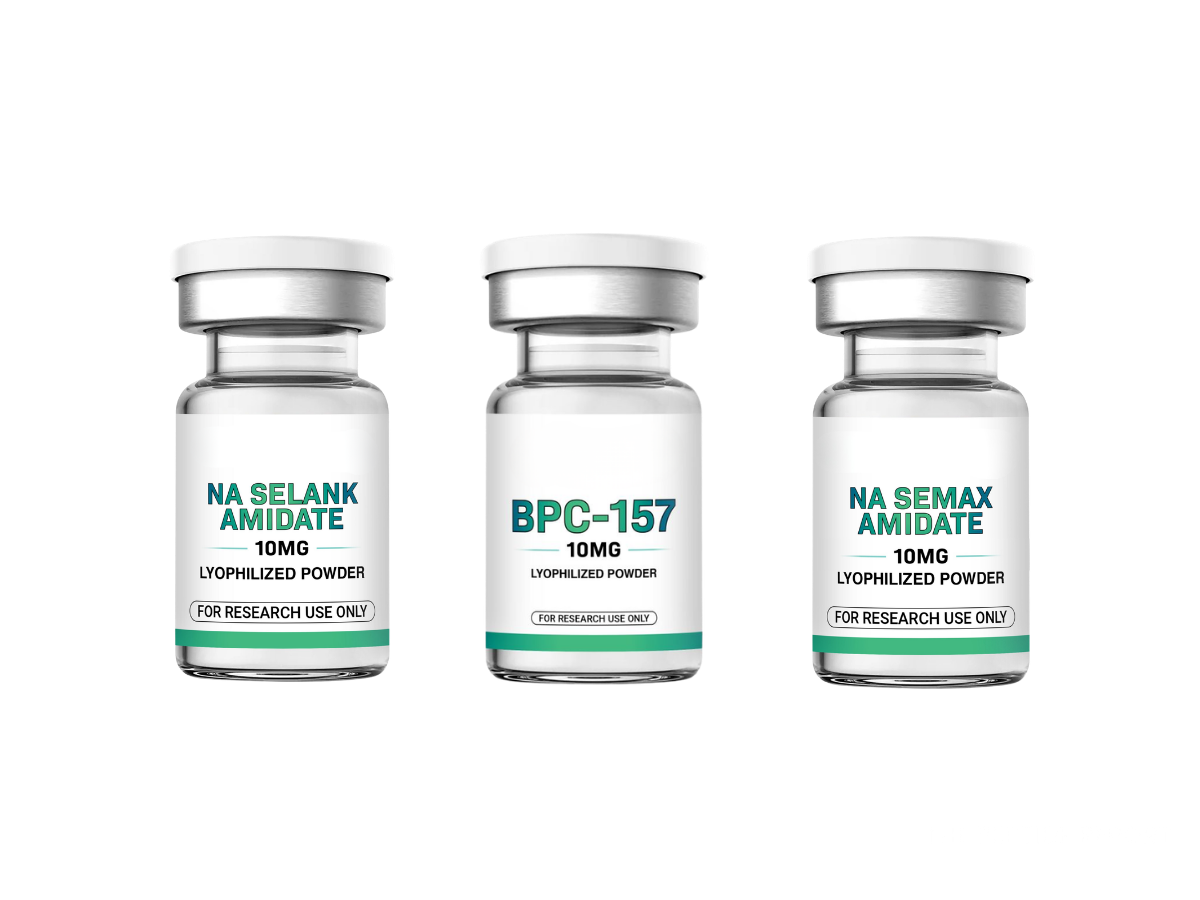
I source research peptides from BioEdge Research Labs.
Use code MARS15 for 15% off.
What Peptides Are Being Studied for Parkinson’s Support?
Let’s talk specifics.
If you’re researching peptides and Parkinson’s, here are the names that come up most often.
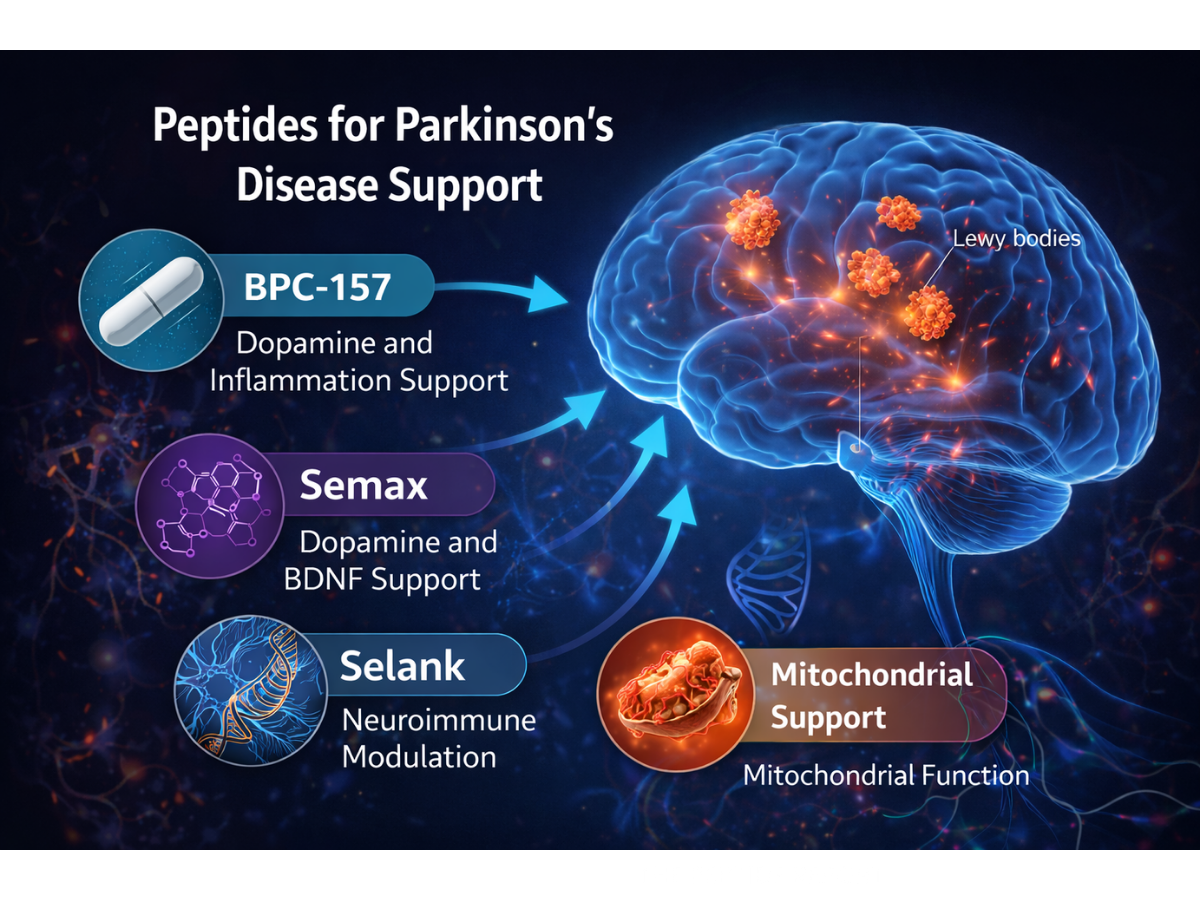
BPC-157 – Dopamine and Neuroinflammation Research
BPC-157 is best known for tissue repair.
But in pre-clinical research, it has shown interaction with dopamine pathways and inflammatory signaling.
Because Parkinson’s involves dopamine neuron stress, this makes BPC relevant in research discussions.
Semax – Dopamine and BDNF Support
Semax influences dopamine signaling and increases BDNF.
BDNF supports neuron survival and plasticity.
That’s why it appears in neurodegenerative research conversations.
Selank – Immune and Neuroinflammatory Modulation
Selank is known for anxiety research.
But it also influences inflammatory markers and immune signaling.
Neuroinflammation is part of the Parkinson’s picture.
So immune-modulating peptides are being explored.
Mitochondrial Support Peptides
Mitochondrial dysfunction is strongly tied to Parkinson’s pathology.
Peptides that support mitochondrial efficiency are an emerging area of research.
Energy production matters for neuron survival.
This is still developing science.
But it is an area worth watching.
Targetable Domains within Alpha-Synuclein
Alpha-synuclein is one of the main proteins tied to Parkinson’s research.
Not because it is the only factor.
But because its tendency to misfold and aggregate is a major piece of the puzzle.
Identifying Key Domains in Alpha-Synuclein for Peptide Targeting
Researchers break alpha-synuclein down into regions.
They look for the parts most responsible for clumping and for protein to protein interactions.
The reason is practical.
If you can design a peptide that binds to a key region, you might influence the aggregation process.
That is the goal in many peptide-based strategies being studied.
Better targeting comes from understanding those domains at a very detailed level.
Then refining peptide structure for stronger binding and better behavior in models.
Peptides can get expensive, but as an FYI - BioEdge is doing 15% off this month (code mars15 at bioedgepeptides.com), one of the few suppliers that consistently delivers what their lab reports claim.
Peptides Derived from Various Sources
Not all peptides studied in Parkinson’s come from the same place.
Some are derived from parts of proteins.
Some come from screened libraries.
Some are designed to target a very specific region like the NAC domain.
Exploring Peptides Derived from N-Terminus
Peptides derived from the N-terminus of certain proteins have been studied for how they may influence aggregation and cellular stress.
In pre-clinical settings, some N-terminus-derived peptides appear to reduce markers tied to misfolding and neuronal damage.
You will see this concept come up a lot.
Reduce aggregation pressure.
Support neuron viability.
Again, this is largely in models.
But that is where early Parkinson’s therapeutic ideas often begin.
Investigating Peptides Targeting the NAC Region
The NAC region of alpha-synuclein is heavily tied to misfolding and aggregation behavior.
So it makes sense that it has become a major target.
Peptides designed to interact with the NAC region are studied for a simple reason.
If they can disrupt the misfolding process, they may reduce formation of toxic aggregates in models.
That is the theory behind this line of research.
Examining Peptides Derived from Other Proteins
Some peptides are derived from other proteins involved in inflammatory signaling, including NF-kB related pathways.
You’ll see researchers explore these because neuroinflammation is a meaningful part of the Parkinson’s picture.
Work from teams and researchers in this space has helped shape how peptide-based approaches might influence immune-driven stress in neurodegenerative disorders.
This is not about “fixing dopamine” directly.
It is about lowering the inflammatory load that can worsen neuronal vulnerability.
Overview of Library-Derived Peptides
Library-derived peptides come from screening large sets of peptide sequences.
The benefit is range.
Researchers can test many sequences and look for the ones that show desirable behavior against a target like alpha-synuclein.
Then those candidates get refined for things like stability and binding affinity in models.
This is one way novel peptide candidates get discovered.
Study on Helical Peptides from Bacterial and Human Proteins
Helical peptides are another category you will see in the literature.
Some research groups have explored helical peptides derived from bacterial and human proteins in pre-clinical Parkinson’s models.
The common thread is neuroinflammation and neuroprotection.
How the peptide interacts with immune signaling inside the brain.
And whether that shifts the environment toward less stress on neurons.
Peptides Inducing Immune Response to Alpha-Synuclein
Another approach being explored is immunotherapy style strategies.
Some peptides are designed to encourage an immune response aimed at alpha-synuclein.
The goal is to help the body recognize and clear pathological forms of the protein.
Researchers track this using biomarkers that reflect immune activity and protein burden in models and trials.
This is a specialized area, but it is an active one.
Methodology for Monitoring Aggregation and Toxicity
If you are studying peptides in Parkinson’s, you have to measure the right things.
Aggregation.
Toxicity.
Inflammatory markers.
And functional outcomes in whatever model is being used.
Approaches to Monitor Peptide Aggregation and Toxicity in Parkinson’s Disease
Researchers use biomarkers to track protein behavior and inflammatory load.
Alpha-synuclein levels are often part of that conversation.
So are inflammatory markers that can reflect neuroimmune activity.
They also use experimental models.
Cell cultures.
Animal models.
These models are not perfect, but they are where early signals show up.
The point is to understand whether a peptide candidate meaningfully shifts aggregation behavior and reduces toxicity in a controlled setting.
That is what guides what gets studied next.
Joe Mars
The Peptide Report
This content is for educational purposes only. Peptides should be used under proper supervision. Always consult qualified healthcare providers before beginning any peptide protocol.
P.S. Join Our Skool Group for real protocols, Q&A, and community support.

I’m Joe Mars, and I’ve dedicated the past ten years to understanding peptide therapy, longevity, and how to optimize the body through practical, real-life testing. My journey started when I was tired, inflamed, and aging faster than I should have been. Clear information on peptides was almost impossible to find, so I dug in, researched nonstop, and tested protocols on myself.
Over the years, I have learned from experts like Jay Campbell, Dr. Seeds, Jim LaValle, and Ben Greenfield, and I have completely transformed my health. Now in my fifties, I feel stronger and sharper than I did in my twenties. That experience is why I write. I want to give people simple and honest guidance so they can use peptides safely and effectively.
I believe in data, smart protocols, and taking responsibility for your own health. You are the protocol. Your habits, your consistency, and your awareness shape your results. Through The Peptide Report, I share what actually works so you can make informed decisions and build a healthier, more resilient body.
Peptides can get expensive, but as an FYI - BioEdge is doing 15% off this month (code mars15 at bioedgepeptides.com), one of the few suppliers that consistently delivers what their lab reports claim.