
Table of Contents
I want to be careful with this one.
Cancer is not something to take lightly. And I’m not going to sit here and tell you that peptides cure cancer. They don’t. Nobody should be making that claim.
But here’s what I will tell you.
There’s a growing body of research showing that certain peptides support the biological processes that help your body prevent cellular damage, repair DNA, reduce inflammation, and maintain healthy immune function.
Those are the same processes that, when they break down, create the conditions where cancer can develop.
So no, peptides aren’t cancer treatment. But supporting your cellular health? That’s worth paying attention to.
Get Your Free Copy of The Ultimate Peptide Blueprint Exact stacks, dosages & cutting-edge protocols to cut fat, build muscle, and keep results-no fluff. No spam. Unsubscribe anytime.
Why Cellular Health Matters for Cancer Prevention
Cancer doesn’t just appear out of nowhere.
It starts at the cellular level. DNA gets damaged. Cells replicate incorrectly. The immune system fails to catch and eliminate abnormal cells before they multiply. Inflammation creates an environment where damaged cells thrive.
The more you can support your body’s natural ability to repair, regulate, and protect itself at the cellular level, the harder you make it for that process to get started.
That’s where peptides come in.
Several peptides have shown real promise in supporting the exact biological mechanisms involved in cellular protection. Not as drugs. Not as treatments. But as tools that help your body do what it’s already designed to do, more effectively.
Peptides can get expensive, but as an FYI - BioEdge is doing 15% off this month (code MARS15 at bioedgepeptides.com), one of the few suppliers that consistently delivers what their lab reports claim.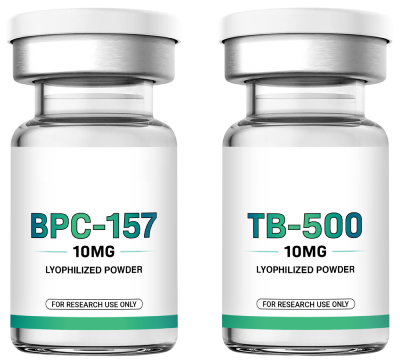
Peptides That Support Cellular Health and DNA Repair
Let me walk you through the ones I think are most relevant here. All of these are available at BioEdge Research Labs.
Thymosin Alpha 1: Immune System Regulation
This is the one I’d start with for anyone thinking about long-term immune health.
Thymosin Alpha 1 is a peptide that naturally occurs in the thymus gland. It’s one of the most well-researched immune-modulating peptides out there. It’s actually been approved in several countries as a treatment for certain cancers and chronic infections.
What it does is regulate and strengthen immune response. A properly functioning immune system identifies and eliminates abnormal cells before they can develop into something serious. Thymosin Alpha 1 supports that process directly.
BioEdge Research Labs carries it. Use code MARS15 for 15% off.
GHK-Cu: DNA Repair and Anti-Aging at the Cellular Level
GHK-Cu is a copper peptide that most people know for skin health. And yes, it’s excellent for that.
But the deeper story is what it does at the cellular level. Research shows GHK-Cu activates genes involved in DNA repair, reduces oxidative stress, and has anti-inflammatory properties. It’s been studied specifically for its ability to reset gene expression patterns in damaged tissue.
Oxidative stress and chronic inflammation are two of the biggest drivers of cellular damage over time. GHK-Cu addresses both.
SS-31: Mitochondrial Protection
This one doesn’t get talked about enough.
SS-31 is a mitochondria-targeted peptide. Its primary job is protecting mitochondria from oxidative damage. Why does that matter for cellular health? Because mitochondrial dysfunction is directly linked to accelerated aging, cellular breakdown, and the kind of environment where abnormal cell growth becomes more likely.
Healthy mitochondria mean healthy cells. SS-31 is one of the most targeted tools we have for supporting that.
MOTS-c: Metabolic Regulation and Cellular Resilience
MOTS-c is a peptide encoded in mitochondrial DNA. That alone makes it unusual.
Research has shown it plays a significant role in metabolic regulation, insulin sensitivity, and cellular stress response. Metabolic dysfunction is directly correlated with increased cancer risk. Conditions like obesity, insulin resistance, and chronic inflammation all create cellular environments that are more susceptible to damage.
MOTS-c helps your body maintain the metabolic balance that supports healthy cellular function long-term.
LL-37: Antimicrobial and Immune Defense
LL-37 is a naturally occurring antimicrobial peptide that’s part of your innate immune system.
Beyond its role in fighting pathogens, LL-37 has been studied for its ability to modulate immune response and reduce chronic inflammation. There’s also emerging research on its role in regulating certain types of abnormal cell behavior.
Chronic infection and persistent inflammation are well-established contributors to cancer risk over time. LL-37 helps the immune system stay on top of both.
BioEdge carries it in 5mg and 10mg vials.
NA Epithalon Amidate: Telomere Support and Longevity
Epithalon is one of the most interesting peptides in the longevity space.
It was developed by Russian researchers specifically to study aging and cellular lifespan. Epithalon has been shown to activate telomerase, the enzyme responsible for maintaining telomere length. Telomere shortening is one of the primary markers of cellular aging, and shortened telomeres are associated with increased susceptibility to cellular damage and disease.
Longer, healthier telomeres mean cells that replicate more accurately and age more slowly.
Peptides can get expensive, but as an FYI - BioEdge is doing 15% off this month (code mars15 at bioedgepeptides.com), one of the few suppliers that consistently delivers what their lab reports claim.
What These Peptides Have in Common
All of these work through the same general principle.
They support the biological systems your body uses to protect itself. DNA repair. Immune regulation. Mitochondrial health. Metabolic balance. Inflammation control.
None of them are treatments for cancer. But the research is clear that maintaining these systems in good working order is one of the best things you can do for your long-term health.
Peptides can get expensive, but as an FYI - BioEdge is doing 15% off this month (code MARS15 at bioedgepeptides.com), one of the few suppliers that consistently delivers what their lab reports claim.
Frequently Asked Questions
Where I Source These Peptides
I get all of mine from BioEdge Research Labs.
I’ve tried a lot of suppliers over the years. Most of them are inconsistent. BioEdge is one of the few I trust because their lab reports are consistent and their quality is reliable.
Use code MARS15 for 15% off your order. Their bundles run 20 to 25% off retail before any codes. Pay by ACH or Cash App and you’ll get an additional 10% on top of that.
P.S. — Join Our Exclusive Skool Group for real stories, sleep protocols, and community support.

I’m Joe Mars, and I’ve dedicated the past ten years to understanding peptide therapy, longevity, and how to optimize the body through practical, real-life testing. My journey started when I was tired, inflamed, and aging faster than I should have been. Clear information on peptides was almost impossible to find, so I dug in, researched nonstop, and tested protocols on myself.
Over the years, I have learned from experts like Jay Campbell, Dr. Seeds, Jim LaValle, and Ben Greenfield, and I have completely transformed my health. Now in my fifties, I feel stronger and sharper than I did in my twenties. That experience is why I write. I want to give people simple and honest guidance so they can use peptides safely and effectively.
I believe in data, smart protocols, and taking responsibility for your own health. You are the protocol. Your habits, your consistency, and your awareness shape your results. Through The Peptide Report, I share what actually works so you can make informed decisions and build a healthier, more resilient body.
Peptides can get expensive, but as an FYI - BioEdge is doing 15% off this month (code mars15 at bioedgepeptides.com), one of the few suppliers that consistently delivers what their lab reports claim.