
Table of Contents
I’ve been in the peptide space for over a decade.
And one question that keeps coming up?
Can injectable peptides actually help with acne?
Short answer.
Yes. In certain cases, they can.
But not for the reasons most people think.
Get Your Free Copy of The Ultimate Peptide Blueprint
Exact stacks, dosages & cutting-edge protocols to cut fat, build muscle, and keep results-no fluff.
No spam. Unsubscribe anytime.
How Injectable Peptides May Help With Acne
Acne is rarely just a surface problem. It is often driven by inflammation, hormone shifts, insulin resistance, or systemic stress. That is where injectable peptide therapy can come into the conversation.
Instead of trying to dry out the skin, certain peptides work upstream:
- They support inflammation control.
- They may improve insulin sensitivity.
- They can influence recovery and tissue repair.
When those systems improve, skin often improves too.
Inflammation and Acne
Chronic inflammation is a huge acne trigger.
Most people think acne is just clogged pores and bacteria.
But if your body is inflamed internally, your skin is often the first place it shows up.
Inflammation increases oil production, makes pores swell, and slows down healing.
And it turns small breakouts into painful cystic acne.
This is where injectable peptide therapy becomes interesting.
Injectable peptides like BPC-157 are commonly researched for their role in supporting tissue recovery and inflammation regulation.
BPC-157 is not an acne drug.
It is studied primarily for gut health, injury repair, and inflammatory modulation.
But here’s the connection.
When systemic inflammation decreases, skin inflammation often decreases too.If your gut is inflamed, that can show up as acne.If your recovery is poor and your stress levels are high, that can show up as acne. If your immune signaling is constantly activated, that can show up as acne.
Supporting those upstream systems can calm the downstream symptom.
Which, in this case, is breakouts.
I’ve seen people chase topical solutions for years.
Cream after cream.
Antibiotic after antibiotic.
But when they addressed systemic inflammation, their skin started to settle down…
Not overnight.
Not magically.
But steadily.
That’s the difference between surface treatment and internal support. When you reduce systemic inflammation, you reduce the intensity of breakouts. You shorten healing time. And you often reduce how frequently they show up in the first place.
That’s why conversations around BPC-157 for acne and inflammation keep growing.
It is not about drying out your skin. It is about supporting recovery, immune balance, and tissue repair from the inside out.
And for inflammation-driven acne, that approach can make a meaningful difference over time.
Peptides can get expensive, but as an FYI - BioEdge is doing 10% off this month (code pep10 at bioedgepeptides.com), one of the few suppliers that consistently delivers what their lab reports claim.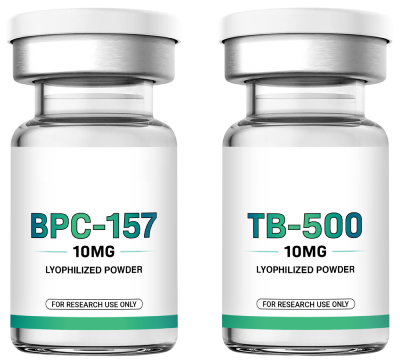
Insulin Resistance and Hormonal Acne
Many adult acne cases are tied to insulin spikes and hormonal imbalance.
This is especially true for stubborn, cystic acne along the jawline and lower face.
When insulin levels spike repeatedly, it does more than affect blood sugar:
- It can increase androgen activity.
- Androgens stimulate oil production.
- More oil means clogged pores.
- Clogged pores plus inflammation equals breakouts.
This is why insulin resistance and hormonal acne are so closely connected.
GLP-1-related peptides are being researched for metabolic regulation and improved insulin sensitivity.
Peptides like Semaglutide and other GLP-1 receptor agonists are primarily discussed for weight loss and glucose control.
But improved glucose control has downstream effects.
When insulin stabilizes, androgen signaling can calm down.
When androgen signaling calms down, sebaceous glands are less overstimulated.
That often means less oil production and fewer deep cystic breakouts.
This is not about treating acne directly. It is about improving the metabolic environment that acne thrives in.
If someone is dealing with adult hormonal acne, especially alongside:
• Insulin resistance
• Blood sugar swings
• PCOS tendencies
• Weight gain around the midsection
• Sugar cravings and energy crashes
Then metabolic support becomes part of the conversation.
When blood sugar becomes more stable:
- Inflammation often decreases.
- Oil production can normalize.
- Skin becomes less reactive.
- Healing improves.
Over time, breakouts may become less frequent and less severe.
This is why the conversation around GLP-1 peptides for hormonal acne continues to grow.
It is not a cosmetic approach; it is a metabolic one.
Because when acne is driven by hormones and insulin, the fix is rarely surface-level.
It is systemic.
Best Peptides for Acne Support
BPC-157 for Inflammation and Skin Repair
BPC-157 is best known for injury recovery.
Most people hear about it in the context of tendon repair, gut healing, or post-surgery support. But its inflammation support is what makes it interesting for acne discussions.
Acne, especially cystic or nodular acne, is an inflammatory condition. It is not just clogged pores. It is an immune activation.
BPC-157 has been researched for its role in supporting tissue repair and inflammatory balance.
That matters because acne lesions are essentially small inflammatory wounds.
And how quickly those wounds resolve determines whether you are left with marks or scarring.
When inflammation stays elevated, healing slows down.
When healing slows down, post-acne discoloration lingers.
Some people exploring BPC-157 for acne are not trying to stop every breakout.
They are trying to:
- Reduce the intensity of inflammation.
- Shorten healing time.
- Support better tissue recovery.
- Potentially minimize long-term scarring.
There is also growing interest in the gut-skin connection.
BPC-157 is often discussed in relation to gut health and intestinal repair.
If your acne flares alongside digestive issues, stress, or systemic inflammation, that connection becomes relevant.
Because inflamed gut signaling can contribute to systemic inflammation.
And systemic inflammation often shows up in the skin. This is not about calling BPC-157 an acne cure. It is about understanding the upstream drivers.
If inflammation is the driver, then supporting inflammation regulation may influence how severe and how long breakouts last.
That is why BPC-157 keeps coming up in conversations around injectable peptides for acne support.
Not as a cosmetic tool.
But as a recovery and inflammation-support peptide.
GLP-1 Peptides for Hormonal and Metabolic Acne
Peptides like Semaglutide and other GLP-1 agonists are typically used for metabolic support.
Most people look at them for weight loss or blood sugar control.
But the metabolic side of acne does not get talked about enough.
When glucose levels spike repeatedly, insulin spikes with it:
- High insulin can increase androgen signaling.
- Androgens stimulate sebaceous glands.
- Sebaceous glands produce oil.
More oil creates the perfect environment for clogged pores and deep cystic breakouts.
Better glucose control can reduce insulin-driven androgen spikes. When insulin stabilizes, oil production often becomes less aggressive. Inflammation may decrease.
For some people, that translates into clearer skin over time.
Not because the peptide is targeting acne directly.
But because it is improving the metabolic environment that acne feeds on.
If someone is dealing with adult hormonal acne alongside weight gain, sugar cravings, or blood sugar swings, this is where GLP-1 peptides enter the conversation.
I source all of my peptides from BioEdge Research Labs.
GH-Related Peptides and Skin Quality
How Long do Peptides Take to Improve Acne?
This depends entirely on what is driving your acne.
If inflammation is the primary driver, some people notice improvement within a few weeks.
If insulin resistance or hormonal imbalance is involved, it may take 6 to 12 weeks.
Peptides work by shifting internal signaling.
That takes time.
Are Peptides Better Than Topical Acne Treatments?
They are different tools.
Topicals treat the skin surface. Injectable peptides influence systemic pathways.
If your acne is purely clogged pores and cosmetic irritation, injectables may not be necessary.
But most adult acne is not purely cosmetic. It is inflammatory, hormonal, and metabolic.
That is where injectables start to make more sense.
Surface treatments can dry out oil, helping to reduce bacteria…
But they do not regulate insulin.
They do not calm systemic inflammation.
They do not influence hormone signaling.
Peptides work upstream:
- They support metabolic stability.
- They influence inflammatory pathways.
- They improve recovery and tissue repair.
If your acne keeps returning no matter what you put on your skin, that is usually a signal.
It means the driver is internal.
And when the driver is internal, injectable peptides become a much more logical place to focus.
When the time comes that you are ready to gain control of your hormones and health, check out BioEdge Research Labs. They carry high-end peptides that you can trust to give you the best results possible.
US-sourced manufacturing means proper oversight and consistent quality standards.
Third-party testing means you know exactly what’s in each vial.
Real customer support means you’re not left guessing if you have questions or issues.
Peptides can get expensive, but as an FYI - BioEdge is doing 10% off this month (code pep10 at bioedgepeptides.com), one of the few suppliers that consistently delivers what their lab reports claim.
Frequently Asked Questions
Joe Mars
The Peptide Report
This content is for educational purposes only. Peptides should be used under proper supervision. Always consult qualified healthcare providers before beginning any peptide protocol.
P.S. Join Our Skool Group for real protocols, Q&A, and community support.

I’m Joe Mars, and I’ve dedicated the past ten years to understanding peptide therapy, longevity, and how to optimize the body through practical, real-life testing. My journey started when I was tired, inflamed, and aging faster than I should have been. Clear information on peptides was almost impossible to find, so I dug in, researched nonstop, and tested protocols on myself.
Over the years, I have learned from experts like Jay Campbell, Dr. Seeds, Jim LaValle, and Ben Greenfield, and I have completely transformed my health. Now in my fifties, I feel stronger and sharper than I did in my twenties. That experience is why I write. I want to give people simple and honest guidance so they can use peptides safely and effectively.
I believe in data, smart protocols, and taking responsibility for your own health. You are the protocol. Your habits, your consistency, and your awareness shape your results. Through The Peptide Report, I share what actually works so you can make informed decisions and build a healthier, more resilient body.
Peptides can get expensive, but as an FYI - BioEdge is doing 15% off this month (code mars15 at bioedgepeptides.com), one of the few suppliers that consistently delivers what their lab reports claim.