
Table of Contents
Are you looking to understand the world of peptide calculations?
We will dive into what peptide calculations are and why they are important. Discover how utilizing a peptide calculator can simplify the process and help identify key peptide properties.
We will explore the advanced features of these tools, like the DRAW & DOSE CALCULATOR, and guide you through a step-by-step process for calculating peptide dose.
Stay tuned for an illustrative example and additional resources to support your journey into peptide calculations.
What are Peptide Calculations?
.jpg_00.jpeg)
The computation of peptide properties entails the determination of characteristics such as molecular weight, isoelectric point, and net charge through an analysis of the amino acid sequence.
The calculation of a peptide’s molecular weight is predicated on summing the individual atomic masses of the constituent amino acids present in the sequence. This necessitates the identification of each amino acid within the sequence and the assignment of the corresponding molecular weight derived from a standard table. The isoelectric point, denoting the pH at which a peptide bears no net charge, is determined by taking into account the pKa values of the amino acids along with their ionization states. A comprehensive understanding of these properties is paramount, as they play a pivotal role in determining the interactions of peptides in various environments and biological systems.
Importance of Peptide Calculations
A comprehensive grasp of peptide calculations is imperative for analyzing peptide characteristics such as net charge, hydrophobicity, and responses under varying pH conditions.
These calculations play a pivotal role in a multitude of scientific investigations and industrial functions. In the realm of research, precise peptide calculations are invaluable for projecting peptide interactions with other molecules, thereby aiding in drug exploration and composition.
For example, a profound comprehension of a peptide’s net charge can significantly impact its affinity for binding to a specific protein, consequently influencing the formulation of therapeutic substances. The consideration of peptide hydrophobicity is critical for maintaining their stability and solubility across diverse solutions.
By conducting in-depth assessments of peptide properties through calculations, researchers and industries can enhance experimental results and formulate tailored solutions for a wide array of applications.
Utilizing a Peptide Calculator
The utilization of a peptide calculator can greatly enhance efficiency in the process of determining the physico-chemical properties of peptides, encompassing details such as N-terminus and C-terminus modifications.
Applications of a Peptide Calculator
A peptide calculator serves as a valuable tool for scientists seeking to swiftly and accurately ascertain the characteristics of peptides based on their amino acid residues.
Researchers across diverse scientific disciplines depend on peptide calculators to enhance the efficiency of their work processes. By entering specific amino acid sequences into these calculators, scientists can forecast peptide behavior, simulate molecular interactions, and optimize experiments to achieve optimal outcomes.
In the realm of drug discovery, these calculators are pivotal in the development of innovative peptide-based therapies for a range of medical conditions. Through the utilization of computational tools, researchers can streamline their work, saving both time and resources, thereby expediting the creation of novel therapeutic solutions.
Peptide calculators are of paramount importance in the field of structural biology, facilitating scientists in the analysis of protein structures and the comprehension of molecular mechanisms at a more profound level.
Identifying Peptide Properties with a Calculator
Utilizing a peptide calculator is instrumental in discerning crucial peptide properties, such as molecular weight and isoelectric point, which hold significant importance in various biochemical applications.
These properties play a pivotal role in ascertaining the stability, solubility, and overall functionality of peptides within a solution. Precise data concerning molecular weight allows researchers to determine dosage and comprehend the interactions of a peptide with other molecules. On the other hand, the isoelectric point aids in predicting the charge behavior of the peptide under varying pH levels, thereby facilitating the design of delivery mechanisms and the optimization of therapeutic efficacy.
By harnessing a peptide calculator to reveal these specificities, scientists can elevate the formulation and effectiveness of their peptide-based solutions.
Working Mechanism of a Peptide Calculator
.jpg_01.jpeg)
The operational process of a peptide calculator involves the insertion of the amino acid sequence to calculate properties such as hydrophobicity and net charge through the utilization of specialized algorithms.
These calculators employ a sequence of equations and algorithms to assess the distinctive arrangement of amino acids within a peptide sequence. Hydrophobicity calculators ascertain the peptide’s attraction to water, offering insights into its solubility and interactions with other molecules. Conversely, net charge calculators assist in comprehending the overall charge of the peptide, which is pivotal for predicting its behavior in diverse environments.
By amalgamating these computations, users can procure a thorough overview of the peptide’s attributes, facilitating various research and development endeavors.
Advanced Features for Precise Calculations
The inclusion of advanced features in peptide calculators, such as visual meters for concentration and options for modifications at the N-terminal and C-terminal, plays a crucial role in enhancing the precision of peptide calculations.
These advanced functionalities are of significant importance to researchers and scientists as they facilitate a more comprehensive understanding of peptide structure. Visual aids offer a clearer depiction of concentration levels, thereby simplifying the adjustment and optimization of experimental conditions. Detailed terminal modifications aid in the simulation of various scenarios and enable the prediction of the potential impacts of different modifications on the overall structure and functionality of the peptide.
Through the incorporation of these features, modern peptide calculators enable users to conduct more accurate and detailed peptide analyses, thus driving substantial progress in the field of peptide research.
Peptide Calculator Tools
Numerous peptide calculator tools, including those integrated by Google LLC, offer thorough solutions for calculating peptide properties, determining dosages for GLP-1s, and preparing solutions utilizing syringes.
DRAW & DOSE CALCULATOR
The DRAW & DOSE calculator serves as a specialized tool within the peptide calculator suite designed to ascertain the exact concentration in micrograms needed for specific dosages. By entering the desired dosage and relevant peptide details into the DRAW & DOSE calculator, intricate calculations are simplified, guaranteeing precise measurements.
The importance of this accuracy cannot be understated in the medical domain, particularly within research and clinical environments, where even minor errors in dosage can yield significant outcomes. The tool’s seamless integration with other elements of the peptide calculator suite facilitates a cohesive workflow, enableing researchers and healthcare professionals to devise comprehensive solutions for peptide preparation and administration.
Shop Peptides for Various Uses
Researchers have the opportunity to acquire peptides tailored for diverse research and therapeutic purposes, underlining the necessity of comprehending peptide attributes and the significance of utilizing bacteriostatic water for solutions.
Peptides are available in distinct variations, including synthetic peptides, polypeptides, and custom peptides, each serving specific functions in industries such as pharmaceuticals, cosmetics, and biotechnology. A profound understanding of the distinct properties of these peptides is fundamental for optimizing their efficacy.
Incorporating bacteriostatic water in the process of reconstituting peptides allows researchers to uphold the stability and sterility of the solutions, a critical element for precise experimental outcomes and ensuring the safety of any therapeutic interventions.
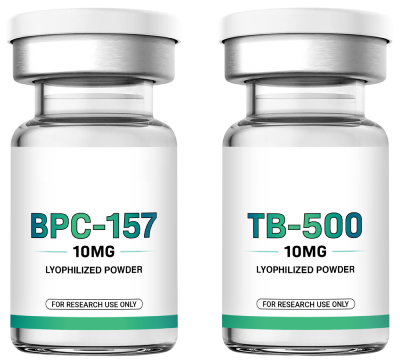
Peptides can get expensive, but as an FYI - BioEdge is doing 15% off this month (code mars15 at bioedgepeptides.com), one of the few suppliers that consistently delivers what their lab reports claim.
Step-by-Step Guide to Calculating Peptide Dose
.jpg_10.jpeg)
Determining the accurate peptide dosage requires a systematic approach utilizing a peptide calculator to guarantee exact dosages and appropriate preparation of the solution.
Setting Your Dose (Step 1)
The initial step in determining the appropriate peptide dose involves calculating the required dosage in micrograms (mcg) based on the unique properties of the peptide and its intended purpose.
For establish the initial dose accurately, it is essential to consider factors such as the potency of the peptide, as well as its stability and solubility. For example, a highly concentrated peptide known for its rapid absorption may necessitate a lower dosage compared to a less potent peptide that requires higher quantities to achieve the desired outcome.
Additionally, it is important to take into account the bioavailability of the peptide. Peptides with low bioavailability may require larger initial doses to offset potential loss during absorption. Through a thorough analysis of these elements, one can customize the initial dose to align with the specific peptide and its intended application.
Determining Peptide Quantity (Step 2)
- The second step involves utilizing the peptide calculator to determine the required quantity of peptide by taking into account its molecular weight and the desired concentration.
- To calculate the quantity necessary for a specific concentration, the initial step is to input the peptide’s molecular weight into the calculator. This information is typically available in the peptide’s documentation or can be calculated based on the amino acid sequence.
- Following this, specify the desired concentration in the appropriate units, such as milligrams per milliliter or micromolar. Subsequently, the peptide calculator will automatically compute the amount of peptide needed to reach the desired concentration, factoring in the inputted molecular weight and concentration.
Adding Water Volume (Step 3)
Subsequently, the calculation of the necessary volume of bacteriostatic water required to prepare the peptide solution, typically quantified in milliliters, is imperative to attain the desired concentration.
This particular stage holds significant importance as it guarantees the appropriate dilution of the peptide, thereby upholding its stability and efficacy. Bacteriostatic water serves a crucial role in peptide solutions by preventing bacterial proliferation and contamination, thereby safeguarding the solution’s integrity.
When incorporating the water, it is essential to utilize a sterile syringe for precise measurement and dispensation of the specified volume. Before commencing the mixing process, it is advised to sanitize the vials, needles, and workspace to reduce the likelihood of impurities. Adherence to safety protocols is paramount, necessitating the utilization of gloves and proper disposal of used materials to avert inadvertent exposure.
Checking Visual Dosage Meter (Step 4)
Utilize a visual dosage meter and syringe to validate the accuracy of the prepared dosages, ensuring precise calibration of the solution.
These instruments play a vital role in accurately administering medications to patients. When employing the visual dosage meter, it is imperative to place it on a level surface while ensuring the solution is filled to the appropriate markings. When using a syringe, it is crucial to expel any air bubbles before drawing up the medication. To uphold consistency in dosages, it is advisable to meticulously verify the measurements and refer to the medication guidelines. Thoroughly clean and sanitize the tools both before and after each use to prevent contamination and guarantee precise dosing.
Example of Peptide Dose Calculation
.jpg_11.jpeg)
An illustrative calculation will be conducted utilizing a peptide calculator to ascertain the appropriate dosage of GLP-1s, taking into account properties like net charge and molecular weight.
Illustrative Calculation with Specific Peptides
In the present illustration, the dosage for a specific peptide is computed by scrutinizing its constituent amino acids and ascertaining the requisite dosage in micrograms necessary to achieve the desired peptide characteristics.
The process initiates by inputting the amino acid sequence of the peptide. For instance, consider the peptide sequence ‘Glycine-Alanine-Cysteine‘ as an exemplar. Subsequently, upon acquiring the amino acid sequence, the subsequent step involves the computation of individual amino acid properties, encompassing molecular weight, hydrophobicity, and charge. The summation of these properties for all amino acids in the sequence facilitates the determination of the comprehensive properties of the peptide.
By taking into account the targeted peptide characteristics and bioavailability considerations, the precise microgram dosage of the peptide can be calculated to optimize its efficacy.
Additional Resources and Support
Plus peptide calculators, a variety of resources and support services are accessible from institutions such as Google LLC and academic sources like Lehninger to aid scientists in their research endeavors.
Quick Links for Easy Access
Below are several convenient links to peptide calculators and additional valuable resources curated by Google LLC for easy and efficient access to essential tools and information.
The collection of resources encompasses peptide sequence calculators, molecular weight calculators, and peptide solubility calculators, all of which play a crucial role in peptide research and development. By simply utilizing these tools, researchers and scientists can promptly analyze and ascertain various properties associated with peptides.
Google LLC’s platform boasts a user-friendly interface, facilitating seamless navigation for users to explore the diverse array of tools and resources available. This convenience makes it an ideal platform for individuals engaged in peptide synthesis and analysis.
Customer Support Services
Customer support services are readily available to provide assistance in areas such as peptide calculations, understanding peptide properties, and preparing precise solutions. These services play a pivotal role in supporting researchers in navigating the intricate processes of peptide synthesis and analysis.
They offer expert guidance on various aspects of peptide science, including sequence design, purity assessment, and troubleshooting any experimental challenges that may arise. Access to knowledgeable and reliable support staff ensures that researchers can effectively progress with their projects and achieve accurate outcomes.
The presence of dependable customer support can greatly enhance the success of peptide research by ensuring that experiments are carried out with precision and efficiency.
Disclaimer for Peptide Calculations
Peptide calculators serve as valuable resources in determining dosages and properties. However, it is imperative to emphasize the importance of having the results verified and authenticated by duly qualified professionals.
Professional validation is a critical step when engaging with peptides, as the calculations provided by these tools rely on algorithms which may not encompass all pertinent variables. It is equally vital to acknowledge the inherent limitations of peptide calculators, particularly in relation to factors such as peptide solubility and stability.
The meticulous handling and preparation of peptide solutions are vital to ensure precision in results and uphold the peptide’s integrity. Seeking guidance from subject matter experts is strongly advised to ascertain dosage accuracy and enhance the efficacy of experimental outcomes.

I’m Joe Mars, and I’ve dedicated the past ten years to understanding peptide therapy, longevity, and how to optimize the body through practical, real-life testing. My journey started when I was tired, inflamed, and aging faster than I should have been. Clear information on peptides was almost impossible to find, so I dug in, researched nonstop, and tested protocols on myself.
Over the years, I have learned from experts like Jay Campbell, Dr. Seeds, Jim LaValle, and Ben Greenfield, and I have completely transformed my health. Now in my fifties, I feel stronger and sharper than I did in my twenties. That experience is why I write. I want to give people simple and honest guidance so they can use peptides safely and effectively.
I believe in data, smart protocols, and taking responsibility for your own health. You are the protocol. Your habits, your consistency, and your awareness shape your results. Through The Peptide Report, I share what actually works so you can make informed decisions and build a healthier, more resilient body.
Peptides can get expensive, but as an FYI - BioEdge is doing 15% off this month (code mars15 at bioedgepeptides.com), one of the few suppliers that consistently delivers what their lab reports claim.