
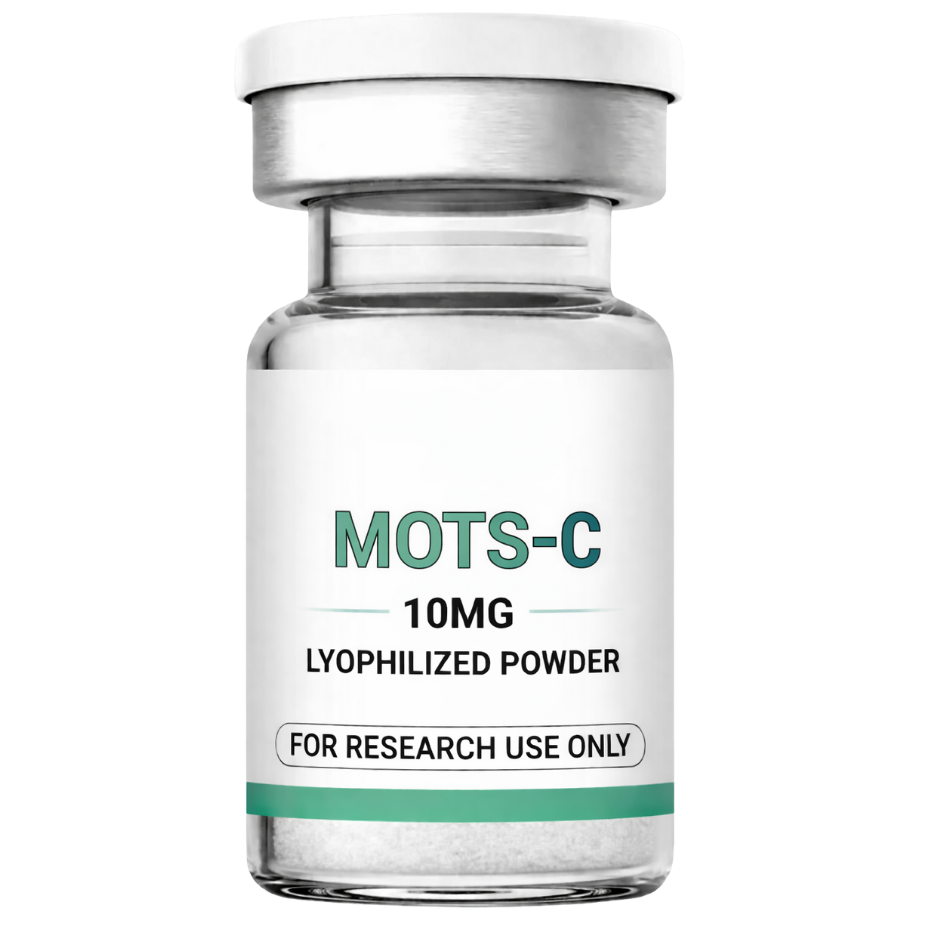
MOTS-c (10mg Vial) Dosage Protocol
Quickstart Highlights
MOTS-c is a mitochondrial-derived peptide (MDP) consisting of 16 amino acids that has been widely studied for its role in metabolic regulation and energy homeostasis. Unlike peptides encoded in the nuclear genome, MOTS-c originates from mitochondrial DNA and functions as a signaling molecule that helps coordinate cellular metabolism with mitochondrial activity.
Preclinical research indicates that MOTS-c exerts its metabolic effects largely through activation of AMP-activated protein kinase (AMPK), a central regulator of glucose utilization, lipid metabolism, and cellular energy balance. Experimental models have shown that MOTS-c may enhance insulin sensitivity, increase fat oxidation, support metabolic efficiency, and improve exercise capacity, particularly in the context of age-related metabolic changes.
Dosing & Reconstitution Guide
Educational guide for reconstitution and daily dosing
Standard / Gradual Approach
WEEK | DAILY DOSE | UNITS (PER INJECTION) (ML) |
|---|---|---|
Weeks 1–2 | 200 mcg | 6 units |
Weeks 3–4 | 400 mcg | 12 units |
Weeks 7-8 | 600 mcg | 18 units |
Weeks 9+ | 800 mcg | 24 units |
Reconstitution Steps
Important: This guide is for educational purposes only and is not medical advice. For research use only. Not for human or animal use. LAB ONLY.
Dosing Overview
Suggested daily titration approach.
Protocol Overview
Concise summary of the once‑daily regimen.
Storage Instructions
Proper storage preserves peptide quality and potency.
What Does MOTS-c
Do?
MOTS-c (short for Mitochondrial Open Reading Frame of the 12S rRNA-c)—often referred to as mitochondrial MOTS-c or a mitokine—is a 16-amino-acid peptide encoded by mitochondrial DNA. It belongs to a unique class of molecules known as mitochondrial-derived peptides (MDPs), which act as signaling messengers that help regulate metabolism, energy balance, and cellular stress responses.
Interest in MOTS-c grew rapidly in the mid-2010s, when scientists began identifying biologically active peptides produced directly by mitochondria rather than the nuclear genome. These findings reshaped how researchers understand mitochondrial function, revealing that mitochondria play an active role in metabolic signaling—not just energy production.
Lower MOTS-c expression has been associated with aging, reduced metabolic efficiency, and diminished exercise capacity. Patterns often explored alongside MOTS-c research include persistent low energy levels, difficulty improving body composition, reduced physical performance, and early metabolic dysfunction that does not fully respond to diet or training alone.
How MOTS-C Works
The MOTS-c peptide interacts with key cellular energy regulators, most notably AMP-activated protein kinase (AMPK). Activation of AMPK shifts cells toward greater glucose uptake and increased fat utilization, helping rebalance cellular energy demand and supply. Through these pathways, MOTS-c supports mitochondrial performance and overall metabolic efficiency.
During periods of metabolic stress, MOTS-c has been observed to move from the mitochondria into the cell nucleus, where it can influence gene expression. This signaling activity favors resilience, fuel flexibility, and efficient energy use, allowing cells to adapt more effectively to energetic challenges.
Role in Metabolic Health
MOTS-c primarily acts on skeletal muscle and other metabolically active tissues, where it enhances glucose handling and improves insulin responsiveness. In animal models, MOTS-c increases cellular glucose uptake and supports insulin signaling through AMPK-driven pathways, resulting in improved metabolic markers under controlled conditions.
Beyond glucose metabolism, MOTS-c has been shown to enhance fat oxidation and may help limit excess fat accumulation when combined with dietary or activity-based interventions. These effects point to improved metabolic flexibility—the ability to efficiently switch between carbohydrate and fat as fuel sources. Reduced metabolic flexibility is a common feature of insulin resistance and central adiposity.
MOTS-c has also been described as having exercise-mimetic properties. While it does not replace physical training, preclinical data indicate that it activates many of the same metabolic and mitochondrial pathways stimulated by exercise. This makes MOTS-c of interest in protocols that integrate peptide research with nutrition and structured training.
MOTS-c Side Effects
The most frequently noted effects tend to be localized and mild in nature, including:
Injection-site reactions, such as temporary redness, mild swelling, bruising, or short-lived discomfort
Small nodules or soreness at the application site, typically resolving without intervention
Beyond these localized responses, broader systemic effects have been reported infrequently. At this stage, there are also theoretical considerations discussed within the research community. Because MOTS-c is involved in pathways related to cellular repair, metabolism, and adaptation, some researchers have raised questions about how it might interact with abnormal cell growth under certain conditions. These concerns remain speculative, and no direct evidence currently links MOTS-c to tumor promotion or related risks.
To minimize potential issues, most experimental protocols emphasize risk-reduction practices, including:
Using strict aseptic technique during preparation and administration
Rotating application sites to reduce localized irritation
Starting with lower exposure levels and increasing gradually when appropriate
Monitoring metabolic markers, subjective responses, and any injection-site changes over time
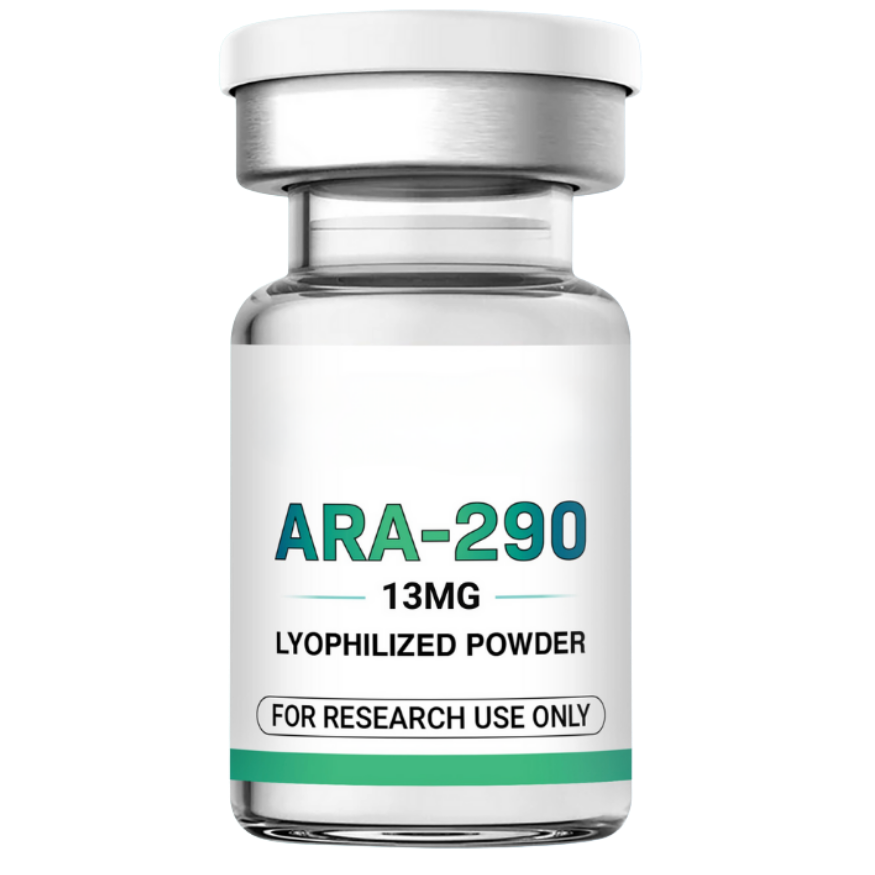
Supplies Needed
Get Your Free Copy of The Ultimate Peptide Blueprint
Exact stacks, dosages & cutting-edge protocols to cut fat, build muscle, and keep results-no fluff.
No spam. Unsubscribe anytime.
Important Notes
Proper storage preserves peptide quality and potency.
Peptides can get expensive, but as an FYI - BioEdge is doing 10% off this month (code pep10 at bioedgepeptides.com), one of the few suppliers that consistently delivers what their lab reports claim.

I’m Joe Mars, and I’ve dedicated the past ten years to understanding peptide therapy, longevity, and how to optimize the body through practical, real-life testing. My journey started when I was tired, inflamed, and aging faster than I should have been. Clear information on peptides was almost impossible to find, so I dug in, researched nonstop, and tested protocols on myself.
Over the years, I have learned from experts like Jay Campbell, Dr. Seeds, Jim LaValle, and Ben Greenfield, and I have completely transformed my health. Now in my fifties, I feel stronger and sharper than I did in my twenties. That experience is why I write. I want to give people simple and honest guidance so they can use peptides safely and effectively.
I believe in data, smart protocols, and taking responsibility for your own health. You are the protocol. Your habits, your consistency, and your awareness shape your results. Through The Peptide Report, I share what actually works so you can make informed decisions and build a healthier, more resilient body.