
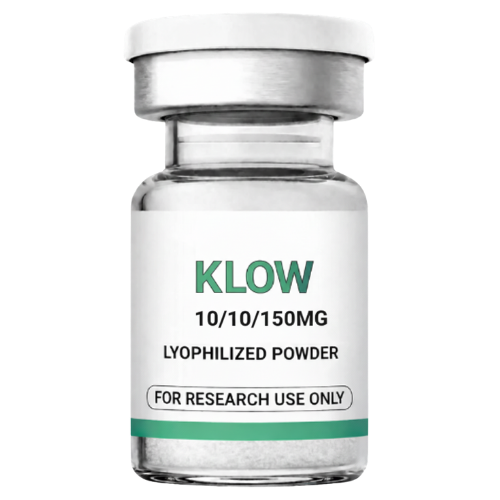
KLOW (10/10/10/50mg Vial) Dosage Protocol
Quickstart Highlights
KLOW is a multi-peptide research formulation designed to bring several well-characterized regenerative peptides into a single, cohesive blend. It combines GHK-Cu, BPC-157, TB-500, and KPV, each known for interacting with different biological pathways related to tissue structure, cellular signaling, and inflammatory balance. Rather than focusing on a single mechanism, KLOW is structured to support multiple aspects of the body’s natural repair and renewal processes at once, making it a unified approach to studying systemic recovery and regeneration.
Dosing & Reconstitution Guide
Educational guide for reconstitution and daily dosing
Standard / Gradual Approach
WEEK | DAILY DOSE | UNITS (PER INJECTION) (ML) |
|---|---|---|
Weeks 1–2 | TB-500: 250 mcg • BPC-157: 250 mcg • KPV: 250 mcg • GHK-Cu: 1.25 mg | 7.5 units |
Weeks 3–4 | TB-500: 500 mcg • BPC-157: 500 mcg • KPV: 500 mcg • GHK-Cu: 2.5 mg | 15 units |
Weeks 5-8 | TB-500: 750 mcg • BPC-157: 750 mcg • KPV: 750 mcg • GHK-Cu: 3.75 mg | 22.5 units |
Weeks 9-12 (Maintenance Phase) | TB-500: 500 mcg • BPC-157: 500 mcg • KPV: 500 mcg • GHK-Cu: 2.5 mg | 15 units |
Reconstitution Steps
Important: This guide is for educational purposes only and is not medical advice. For research use only. Not for human or animal use. LAB ONLY.
Dosing Overview
Suggested daily titration approach.
Protocol Overview
Concise summary of the once‑daily regimen.
Storage Instructions
Proper storage preserves peptide quality and potency.
What Does KLOW
Do?
KLOW is designed to influence more than a single pathway. Rather than targeting one process, it brings together multiple peptides that interact with different biological systems involved in repair, recovery, and tissue integrity.
Each peptide in the KLOW blend has a distinct role, but its strength lies in how these components function together as a coordinated system:
GHK-Cu is commonly studied for its role in connective tissue structure, contributing to the maintenance and renewal of skin, joints, and other supportive tissues.
BPC-157 is associated with signaling pathways involved in localized repair, vascular response, and nutrient transport to areas under stress.
TB-500 is known for its involvement in cellular migration and tissue organization, supporting efficient coordination during structural rebuilding processes.
KPV is researched for its interaction with inflammatory signaling, helping maintain balance while other regenerative pathways are active.
Together, these peptides form a complementary framework. GHK-Cu contributes structural support, BPC-157 and TB-500 assist with repair coordination and tissue remodeling, and KPV helps regulate inflammatory activity—creating a balanced, multi-pathway approach to regeneration-focused research.
KLOW Side Effects
Peptides included in the KLOW formulation are widely regarded as well tolerated when used within commonly referenced dosage ranges. As with any research protocol, awareness of potential reactions is important.
Frequently Observed, Mild Reactions
Temporary redness, sensitivity, or slight irritation at the injection site
Mild headache or transient fatigue during initial use
Occasional nausea, particularly if administration occurs shortly after eating
These effects are generally short-lived and may be reduced by rotating injection locations, maintaining proper hydration, and allowing adequate time between meals and dosing.
Less Commonly Reported Responses
Mild, short-term flu-like sensations
Temporary shifts in appetite
Brief dizziness following injection, more often noted at higher TB-500 exposure levels
Managing Discomfort and Adjusting Use
If discomfort occurs, consider lowering the total daily amount or temporarily pausing the protocol until symptoms resolve. Gradual re-escalation may help prevent recurrence and improve overall tolerance.
Discontinue use immediately if more pronounced symptoms arise, including noticeable swelling, ongoing dizziness, rapid heart rate, shortness of breath, or significant fatigue. Before resuming, review dilution accuracy, dosing levels, and injection technique. These responses may indicate sensitivity to one or more components or an excessive concentration.
The Science Behind KLOW’s Synergistic Design
To understand how KLOW works, it helps to start with how the body responds to stress, injury, or age-related tissue breakdown.
When tissues are strained or damaged, the body releases inflammatory signals to initiate repair. While this response is necessary, prolonged or excessive inflammation can interfere with normal recovery processes and slow tissue rebuilding.
KLOW is structured to address these phases in sequence:
KPV interacts with inflammatory signaling pathways, helping moderate an overactive immune response so repair mechanisms can proceed more efficiently.
With inflammation better regulated, BPC-157 and TB-500 support processes involved in angiogenesis—the formation of new blood vessels—and fibroblast activity, both of which are critical for maintaining tendons, muscles, and joint tissues.
At the same time, GHK-Cu is associated with gene signaling related to collagen and elastin production, contributing to the structural integrity of connective tissues.
By supporting these pathways together, the KLOW formulation creates an environment that favors improved circulation, more efficient tissue remodeling, stronger structural support, and smoother recovery dynamics.
How to Use KLOW Effectively
Getting the most out of KLOW is about supporting long-term repair rather than chasing immediate results. A steady, well-structured approach allows the peptides to work in harmony with the body’s natural recovery processes.
1. Prioritize Consistency Over Intensity
Peptides function as biological messengers, signaling the body to initiate repair pathways. These signals require time and repetition to produce meaningful changes.
Maintaining regular, moderate dosing over several weeks is generally more effective than using higher amounts for short periods. Many protocols follow a 5-days-on, 2-days-off pattern, which allows receptor systems time to reset while maintaining steady signaling.
2. Choose Strategic Timing
Once-daily administration is common, with many users opting for evening dosing approximately 60–90 minutes after their final meal. This timing aligns well with the body’s overnight repair and recovery cycles, which tend to be most active during deep sleep.
3. Use Appropriate Injection Locations
Injection placement can be adjusted based on research focus:
Skin and hair research: Subcutaneous administration in areas such as the upper arm, abdomen, or scalp (commonly associated with GHK-Cu studies).
Joint, tendon, or muscle research: Localized subcutaneous injections near the area of interest are often used with BPC-157 or TB-500.
Systemic research applications: The abdomen or thigh is typically selected for broader distribution.
Rotating injection sites is recommended to reduce irritation and support even absorption.
4. Support the Process With Lifestyle Fundamentals
While peptides provide signaling cues, the body still requires adequate resources to rebuild tissue.
Support your protocol by:
Consuming sufficient protein and collagen-rich foods
Staying well hydrated
Prioritizing 7–9 hours of sleep nightly
Incorporating light movement or mobility work to encourage circulation
Peptides guide the process, but nutrition, hydration, and rest supply the raw materials.
5. Track Progress and Allow Time
Early changes are often subtle. Many users begin noticing gradual improvements around weeks 2–3, such as reduced stiffness, improved digestion, steadier energy, or smoother skin texture.
More visible or functional changes frequently emerge by weeks 6–8, particularly in connective tissue resilience, joint comfort, and overall recovery capacity.
Helpful tip: Keeping a brief weekly log—tracking sleep, energy, skin, digestion, and mobility—can make it easier to evaluate progress and refine future cycles.
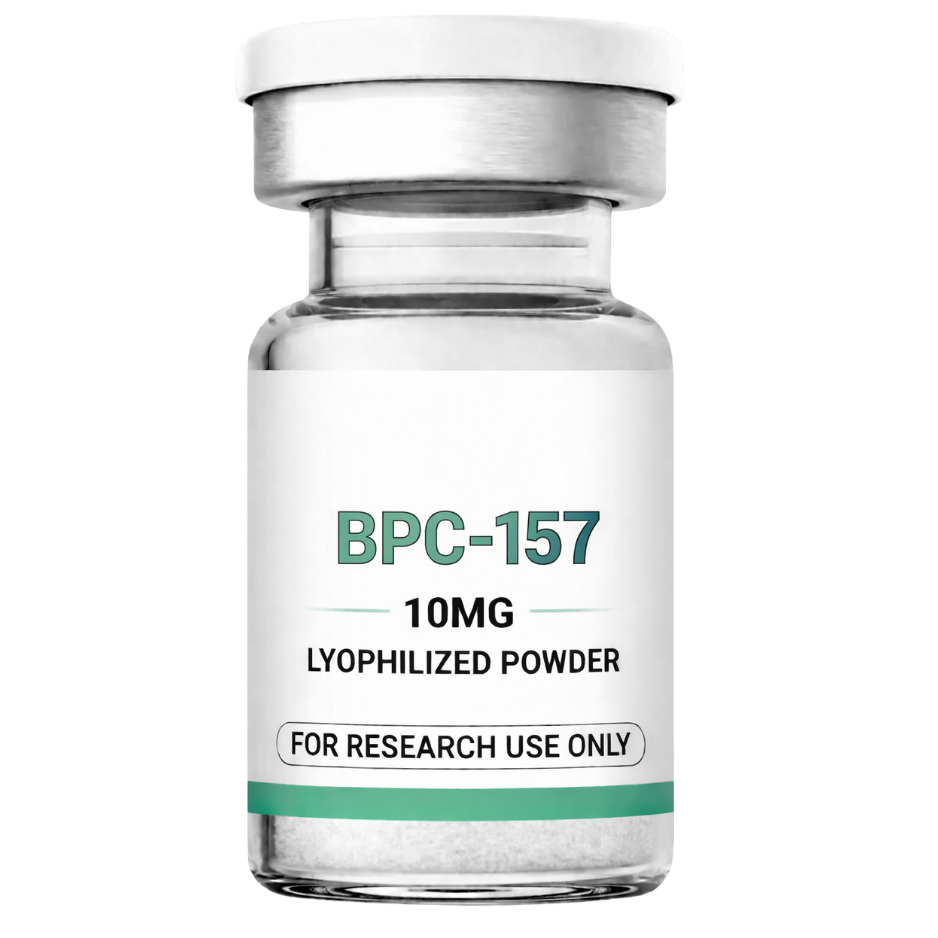
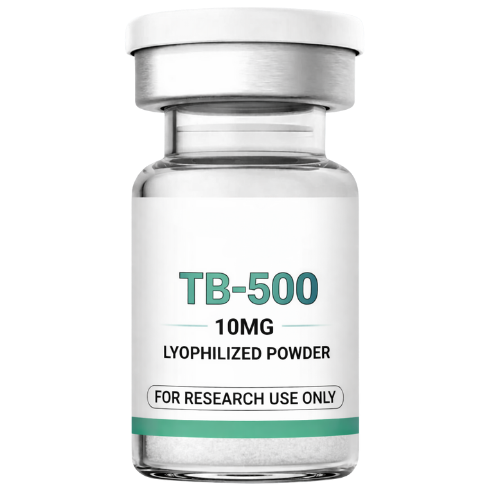
Supplies Needed
Get Your Free Copy of The Ultimate Peptide Blueprint
Exact stacks, dosages & cutting-edge protocols to cut fat, build muscle, and keep results-no fluff.
No spam. Unsubscribe anytime.
Important Notes
Proper storage preserves peptide quality and potency.
Peptides can get expensive, but as an FYI - BioEdge is doing 10% off this month (code pep10 at bioedgepeptides.com), one of the few suppliers that consistently delivers what their lab reports claim.
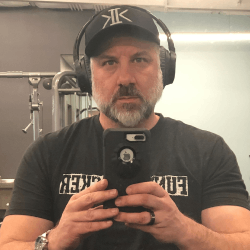
I’m Joe Mars, and I’ve dedicated the past ten years to understanding peptide therapy, longevity, and how to optimize the body through practical, real-life testing. My journey started when I was tired, inflamed, and aging faster than I should have been. Clear information on peptides was almost impossible to find, so I dug in, researched nonstop, and tested protocols on myself.
Over the years, I have learned from experts like Jay Campbell, Dr. Seeds, Jim LaValle, and Ben Greenfield, and I have completely transformed my health. Now in my fifties, I feel stronger and sharper than I did in my twenties. That experience is why I write. I want to give people simple and honest guidance so they can use peptides safely and effectively.
I believe in data, smart protocols, and taking responsibility for your own health. You are the protocol. Your habits, your consistency, and your awareness shape your results. Through The Peptide Report, I share what actually works so you can make informed decisions and build a healthier, more resilient body.