
Table of Contents
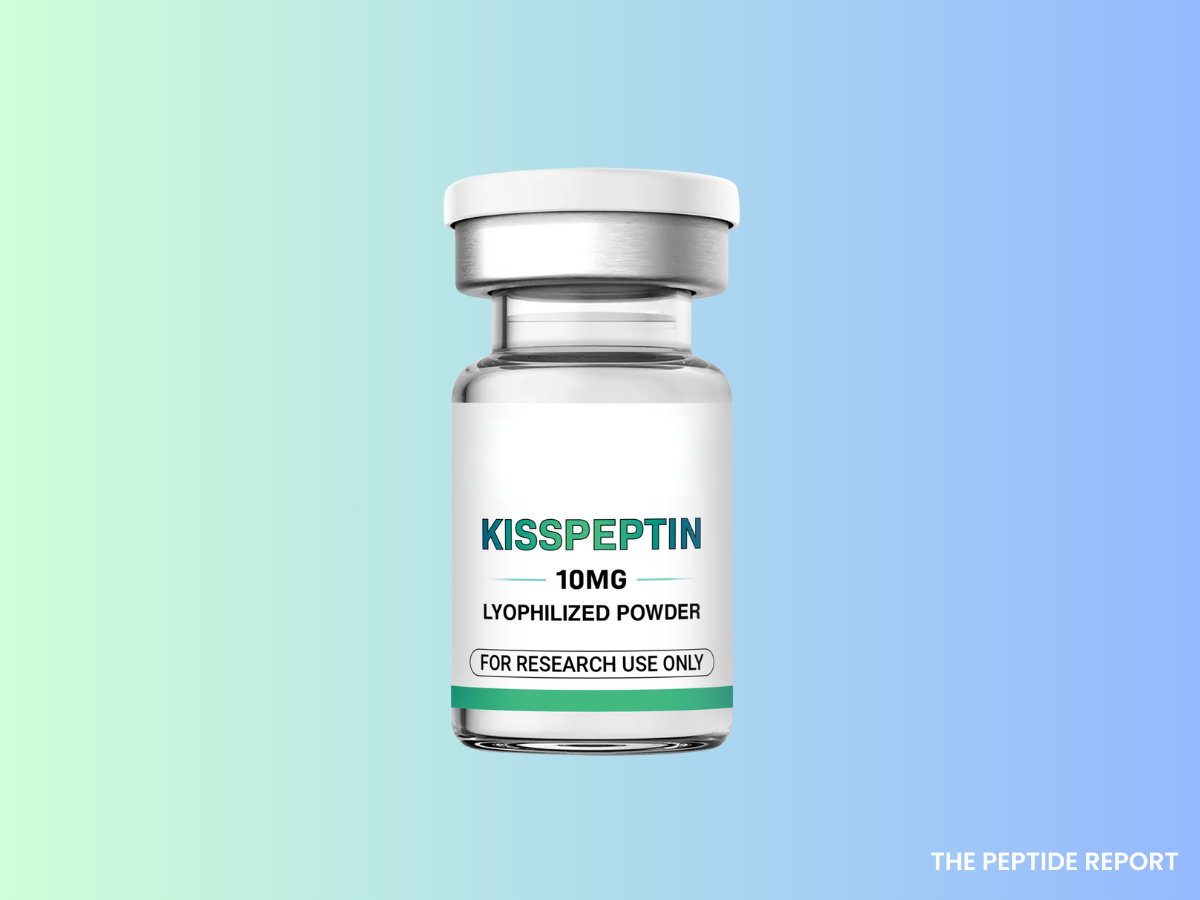
Look, Kisspeptin isn’t as well-known as BPC-157 or Ipamorelin.
But if you’re dealing with hormone issues, low libido, or fertility concerns, it’s one of the most interesting peptides out there.
I’ve been researching peptides for over 10 years. And Kisspeptin is one that keeps coming up in conversations about hormone optimization, especially for people who want to support their natural testosterone or estrogen production without going the full TRT route.
The problem? Most people have no idea how to dose it.
Get Your Free Copy of The Ultimate Peptide Blueprint Exact stacks, dosages & cutting-edge protocols to cut fat, build muscle, and keep results-no fluff. No spam. Unsubscribe anytime.
How to Inject Kisspeptin
Kisspeptin is administered subcutaneously, just under the skin.
Common injection sites:
- Abdomen
- Thigh
- Upper arm
Use a fine insulin syringe (29 or 30 gauge). Clean the injection site with alcohol. Pinch the skin, insert at a 45-degree angle, inject slowly, and hold for a few seconds before withdrawing the needle.
Rotate your injection sites to avoid irritation or buildup of scar tissue.
Always follow sterile technique and use a fresh needle for every injection.
What is Kisspeptin?
Kisspeptin is a naturally occurring peptide that plays a major role in regulating reproductive hormones.
It acts on the hypothalamus and triggers the release of GnRH (gonadotropin-releasing hormone). That sets off a chain reaction that leads to increased LH (luteinizing hormone) and FSH (follicle-stimulating hormone).
In simple terms: Kisspeptin tells your brain to tell your body to make more sex hormones.
For men, that means more testosterone production.
For women, it helps regulate estrogen, progesterone, and ovulation.
It’s not a direct hormone replacement. It’s a signal that kicks your own hormone production into gear.
Peptides can get expensive, but as an FYI - BioEdge is doing 10% off this month (code pep10 at bioedgepeptides.com), one of the few suppliers that consistently delivers what their lab reports claim.
Why People Use Kisspeptin
Here’s the reality.
Kisspeptin isn’t a peptide you run just because everyone else is doing it.
It’s not like BPC-157 where almost anyone with an injury can benefit. Or Ipamorelin where most people see body composition improvements.
Kisspeptin is specific. It targets hormone production and reproductive function. That means it’s most useful for people dealing with very specific issues.
Hormone Optimization
Some people use Kisspeptin to naturally boost their LH and FSH levels, which can support testosterone or estrogen production without shutting down their own system.
This is appealing for guys who want to optimize their testosterone but aren’t ready to commit to full TRT. Or for women dealing with irregular cycles or low estrogen.
Fertility Support
Kisspeptin has been studied for its role in fertility. It helps regulate ovulation in women and can support sperm production in men.
Some fertility clinics are even using it as part of IVF protocols because it can trigger ovulation more naturally than traditional drugs.
Libido and Sexual Function
Because Kisspeptin affects the brain’s reproductive centers, some people notice improvements in libido and sexual function.
This isn’t like PT-141, which directly activates arousal pathways. Kisspeptin works upstream by supporting the hormones that drive libido in the first place.
Kisspeptin Dosage Recommendations
Here’s where it gets tricky.
Kisspeptin isn’t as widely studied as some other peptides. And the research that exists uses a pretty wide range of doses depending on the goal.
Here’s what you should know…
Standard Dosing Range
Most studies use doses between 0.24 nmol/kg and 6.4 nmol/kg of body weight.
For a 200-pound person (about 90 kg), that translates to roughly 20 to 580 nmol per dose.
In micrograms, that’s approximately 50 to 1500 mcg per dose, depending on the specific form of Kisspeptin being used.
Practical Starting Dose
If you’re new to Kisspeptin, start low.
A common starting point is 100 to 200 mcg per injection.
Assess how your body responds over the first week or two. If you’re not noticing any changes and tolerating it well, you can gradually increase.
Some people work up to 500 to 1000 mcg per dose for more pronounced effects, especially for fertility or hormone optimization goals.
Frequency
Kisspeptin is typically dosed once per day.
Some protocols use it every other day to avoid receptor desensitization.
If you’re using it for fertility support, timing can matter. Some people dose it in the evening to align with natural hormone rhythms. Others dose it based on their menstrual cycle or specific fertility protocols.
Cycle Length
Most people run Kisspeptin for 4 to 8 weeks, then take a break.
This prevents your body from becoming desensitized to the peptide and gives your natural hormone production a chance to stabilize.
Peptides can get expensive, but as an FYI - BioEdge is doing 15% off this month (code mars15 at bioedgepeptides.com), one of the few suppliers that consistently delivers what their lab reports claim.
Kisspeptin Side Effects
People tolerate Kisspeptin well at standard doses.
But you should know what to watch for.
Common Side Effects
Injection site reactions. You might see some redness or irritation where you inject. Nothing major. Usually goes away pretty quickly.
Headaches. Some people get mild headaches in the first few days. Staying hydrated helps.
Nausea. Occasional mild nausea. Not common, but it happens. Usually passes within an hour or two.
Hot flashes. This one makes sense when you think about it. Kisspeptin is messing with your hormone signaling. Some people, especially women, get brief hot flashes. It’s your body adjusting to the hormone shift.
What to Watch For
If you’re using Kisspeptin to support hormone production, pay attention to how you feel.
Mood changes. Energy shifts. Changes in libido. These are all signs your hormones are responding.
That’s not necessarily a bad thing. It just means the peptide is working.
Frequently Asked Questions
How to Reconstitute Kisspeptin
Kisspeptin typically arrives as a lyophilized powder and needs to be reconstituted with bacteriostatic water.
Here’s the process:
- Clean the tops of both the peptide vial and the bacteriostatic water vial with alcohol
- Draw the recommended amount of bacteriostatic water into a syringe
- Slowly inject the water down the side of the peptide vial (not directly onto the powder)
- Let it dissolve on its own. Do not shake. Swirl gently if needed
- Store in the refrigerator
Once reconstituted, Kisspeptin typically stays stable for 2 to 4 weeks when refrigerated.
Always check with your supplier for specific reconstitution instructions and storage recommendations.
Where to Source Kisspeptin
This is important.
Kisspeptin is less common than peptides like BPC-157 or Ipamorelin. That means there are fewer suppliers carrying it, and quality can vary widely.
You need a supplier that third-party tests every batch.
I source all of my peptides from BioEdge Research Labs.
Every batch is:
- Manufactured in cGMP-certified facilities
- Third-party tested for purity and potency
- Verified by HPLC, mass spectrometry, and heavy metals panels
- COAs (Certificates of Analysis) publicly available
If you’re going to experiment with something like Kisspeptin, you need to know exactly what you’re putting in your body.
P.S. — Join Our Exclusive Skool Group for real stories, sleep protocols, and community support.

I’m Joe Mars, and I’ve dedicated the past ten years to understanding peptide therapy, longevity, and how to optimize the body through practical, real-life testing. My journey started when I was tired, inflamed, and aging faster than I should have been. Clear information on peptides was almost impossible to find, so I dug in, researched nonstop, and tested protocols on myself.
Over the years, I have learned from experts like Jay Campbell, Dr. Seeds, Jim LaValle, and Ben Greenfield, and I have completely transformed my health. Now in my fifties, I feel stronger and sharper than I did in my twenties. That experience is why I write. I want to give people simple and honest guidance so they can use peptides safely and effectively.
I believe in data, smart protocols, and taking responsibility for your own health. You are the protocol. Your habits, your consistency, and your awareness shape your results. Through The Peptide Report, I share what actually works so you can make informed decisions and build a healthier, more resilient body.
Peptides can get expensive, but as an FYI - BioEdge is doing 15% off this month (code mars15 at bioedgepeptides.com), one of the few suppliers that consistently delivers what their lab reports claim.