
Table of Contents
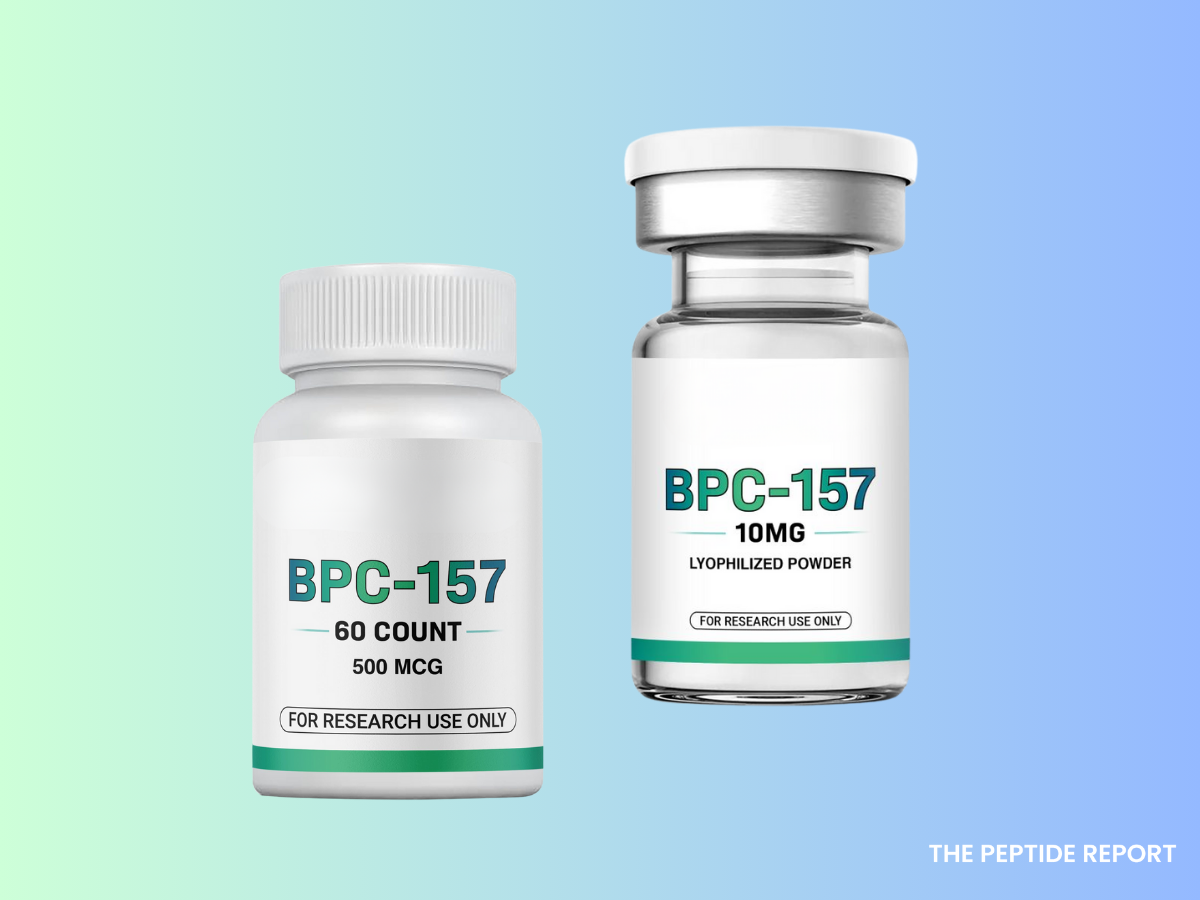
Here’s the question I get asked constantly: should you take BPC-157 as tablets or injections?
If you’ve been dealing with nagging joint pain, slow recovery, or injuries that won’t go away, you’ve probably heard about BPC-157.
I’ve been using BPC-157 for years to recover from injuries, maintain joint health, and keep training hard without constant setbacks. It’s one of the most effective recovery peptides I’ve found, and I’ve watched hundreds of people in my peptide community use it successfully for everything from tendon issues to chronic inflammation.
The answer is straightforward. If you want the most reliable, effective results, injections are the way to go. Tablets are convenient. They are great if you have a fear of needles, or travel a lot for work and you are concerned about storage.
In this guide, I’ll walk you through what BPC-157 is, why people use it, the real difference between tablets and injections, proper dosing protocols, what results to expect, and where to source quality BPC-157 – both tablets and the injectable.
Let’s get into it.
Get Your Free Copy of The Ultimate Peptide Blueprint Exact stacks, dosages & cutting-edge protocols to cut fat, build muscle, and keep results-no fluff. No spam. Unsubscribe anytime.
BPC-157 Tablets vs Injections: The Real Difference
BPC-157 is available in two main forms: oral tablets and injectable peptides.
Tablets sound appealing because they’re easy. No needles, no reconstitution, just pop a pill and you’re done. But here’s the reality: injectable BPC-157 is significantly more effective.
Let me explain why.
BPC-157 Tablets
Oral BPC-157 tablets have to pass through your digestive system before they reach your bloodstream. Along the way, stomach acid and digestive enzymes break down a significant portion of the peptide.
This means:
Lower bioavailability: Much less of the BPC-157 actually makes it into your system compared to injections.
Inconsistent absorption: How much gets absorbed varies based on what you ate, your gut health, and a dozen other factors.
Weaker results: Most people report minimal or inconsistent effects from oral BPC-157 compared to injectable forms.
I’ve tried oral BPC-157 myself years ago when I first started experimenting with peptides. The results were definitely there but I experienced more recovery benefits when I start being consistent with the injections.
BPC-157 Injections: The Most Effective Option
Injectable BPC-157 delivers the peptide directly into your system via subcutaneous injection (just under the skin). This bypasses your digestive system entirely, which means:
Higher bioavailability: Almost all of the BPC-157 you inject reaches your bloodstream and gets to work.
Consistent absorption: You get predictable, reliable dosing every time.
Faster, more noticeable results: Most people report significant improvements in recovery, pain reduction, and tissue healing within 1 to 2 weeks of consistent use.
Better control over dosing: You can adjust your dose based on your goals and how your body responds.
This is why injectable BPC-157 is what I use and what I recommend to everyone in my peptide community. It’s more effective, more consistent, and gives you better control over your protocol.
Yes, it requires learning how to reconstitute peptides and inject subcutaneously. But once you do it a few times, it becomes routine. The entire process takes about 30 seconds, and the results are worth the small learning curve.
Peptides can get expensive, but as an FYI - BioEdge is doing 10% off this month (code pep10 at bioedgepeptides.com), one of the few suppliers that consistently delivers what their lab reports claim.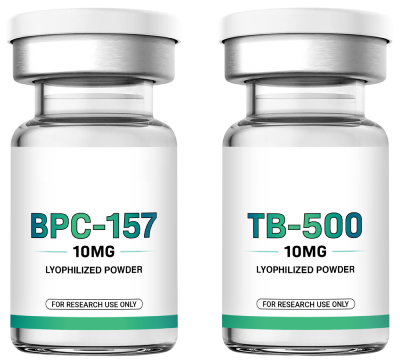
What is BPC-157?
BPC-157 stands for Body Protection Compound-157. It’s a synthetic peptide derived from a protective protein found naturally in your stomach.
The primary role of BPC-157 is tissue repair and inflammation control. It works by boosting collagen production, promoting angiogenesis (new blood vessel formation), and modulating inflammation. This makes it exceptionally effective for healing tissues that have poor blood supply naturally, like tendons and ligaments.
BPC-157 isn’t a magic pill. It won’t replace proper training, nutrition, sleep, or rehab work. But when you’re putting in the effort and your body just isn’t recovering like it should, BPC-157 can be a powerful tool to accelerate healing and get you back to consistent training.
Why People Use BPC-157
Most people turn to BPC-157 because they want to stay consistent with training without being sidelined by injuries or chronic pain.
Here’s what I’ve seen BPC-157 help with over the years:
Faster recovery after intense training: Reduces muscle soreness and speeds up tissue repair so you can train hard more frequently.
Joint and tendon support: Helps reduce pain and inflammation in joints, tendons, and ligaments that get beat up from heavy lifting or repetitive movements.
Chronic injury healing: Supports recovery from injuries that won’t heal with rest alone, like tennis elbow, rotator cuff issues, or knee problems.
Gut health: BPC-157 is exceptionally effective at healing the gut lining. I’ve seen it help people with ulcers, IBS, and leaky gut.
Overall mobility and resilience: Helps you move better, feel stronger, and push harder in training without constantly feeling broken down.
The common thread: BPC-157 helps your body recover faster and more completely so you can stay consistent and keep making progress.
Peptides can get expensive, but as an FYI, BioEdge Research Labs is doing 10% off this month (code PEP10 at bioedgeresearchlabs.com), one of the few suppliers that consistently delivers what their lab reports claim.
Who Should Use BPC-157?
BPC-157 works best for people who are actively training and dealing with the wear and tear that comes with pushing hard.
I see it used most often by:
Lifters who train heavy: People dealing with joint pain, tendon issues, or chronic inflammation from years of hard training.
Athletes who need faster recovery: Anyone competing or training at a high level who can’t afford long breaks from training.
Runners and endurance athletes: People dealing with overuse injuries like IT band syndrome, Achilles tendinitis, or knee pain.
Active people over 30: Anyone who’s noticed their body doesn’t bounce back like it used to and wants to maintain performance as they age.
If you’re putting in real work and your body is struggling to keep up, it can make a significant difference.
Peptides can get expensive, but as an FYI - BioEdge is doing 10% off this month (code pep10 at bioedgepeptides.com), one of the few suppliers that consistently delivers what their lab reports claim.
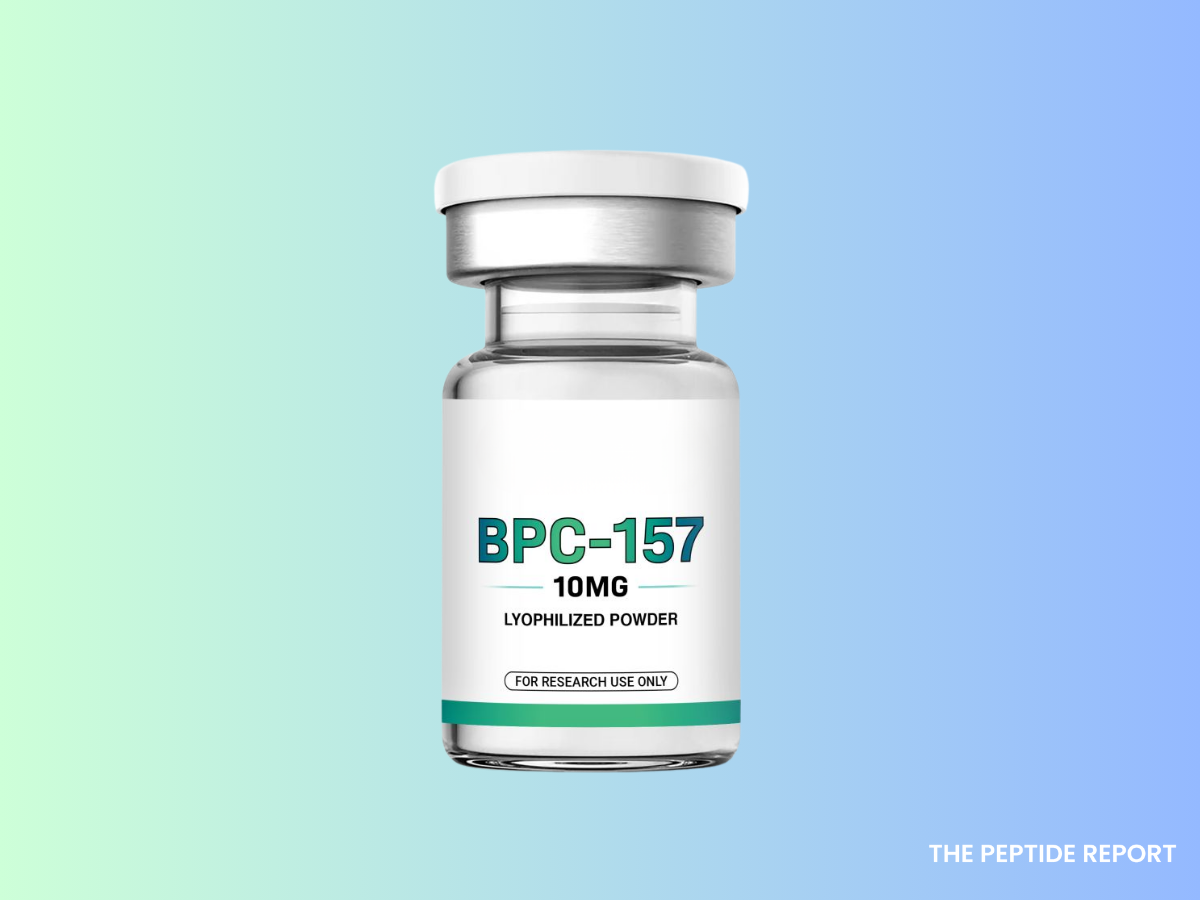
BPC-157 Injection Dosage: What Actually Works
There’s no universal BPC-157 dosage that works for everyone, but here’s what I’ve found to be effective based on years of personal use and watching others run protocols.
You can also check out this page for help when it comes to dosing: BPC-157 (10mg Vial) Dosage Protocol
Standard Dosage for General Recovery and Joint Support
Dose: 250 to 500 mcg daily
Route: Subcutaneous injection near the injury or problem area
Frequency: Once daily (or split into 250 mcg morning and evening)
Duration: 4 to 8 weeks
This is what most people start with and what works well for general recovery support, joint comfort, and maintaining consistency with training.
Higher Dosage for Acute Injuries or Chronic Issues
Dose: 500 to 1,000 mcg daily
Route: Subcutaneous injection near the injury
Frequency: Once or twice daily
Duration: 6 to 8 weeks
This higher dosage is what I use when dealing with a significant injury or chronic issue that won’t resolve with lower doses. It’s more aggressive but can produce faster results for stubborn problems.
Maintenance Dosage for Long-Term Joint Health
Dose: 250 mcg daily
Frequency: 5 days on, 2 days off
Duration: Can run longer-term with periodic breaks
Some people run lower maintenance doses long-term for ongoing joint support and injury prevention. I take periodic breaks (4 to 8 weeks off after every cycle) to maintain effectiveness.
Peptides can get expensive, but as an FYI - BioEdge is doing 15% off this month (code mars15 at bioedgepeptides.com), one of the few suppliers that consistently delivers what their lab reports claim.
Peptides can get expensive, but as an FYI - BioEdge is doing 10% off this month (code pep10 at bioedgepeptides.com), one of the few suppliers that consistently delivers what their lab reports claim.
How to Inject BPC-157
Injecting BPC-157 is straightforward once you learn the basics.
Step 1: Reconstitute your BPC-157. Add 2mL of bacteriostatic water to your vial slowly down the side. Don’t shake it. Once mixed, store it in the refrigerator and use it within 6 to 8 weeks.
Step 2: Draw your dose. Use a 1mL insulin syringe to draw your dose. For 250 mcg, draw to 0.05 mL (5 units). For 500 mcg, draw to 0.1 mL (10 units).
Step 3: Inject subcutaneously. Clean your injection site with alcohol. Pinch the skin and insert the needle at a 45-degree angle. Inject slowly and withdraw the needle.
Step 4: Rotate injection sites. Don’t inject in the same spot every time. Rotate between your abdomen, thighs, and areas near the injury to prevent tissue irritation.
The entire process takes about 30 seconds once you’re comfortable with it.
For more detailed instructions on reconstitution and injection technique, check out our guide: Peptide Safety 101: How to Reconstitute, Inject, and Store Peptides the Right Way.
BPC-157 Results: What to Expect
Results vary from person to person, but here’s what I’ve seen consistently when people run proper BPC-157 protocols:
Week 1 to 2: Reduced pain and inflammation. Most people notice less soreness after training and improved comfort in problem areas.
Week 2 to 4: Improved mobility and range of motion. Joints and tendons feel less stiff, and movements that used to hurt start feeling better.
Week 4 to 6: Significant healing progress. Chronic issues that have been around for months or years start improving noticeably.
Week 6 to 8: Major functional improvements. You can train harder, move better, and push intensity without constant setbacks.
The key is consistency. If you inject sporadically or quit after two weeks, you won’t see the full benefits. BPC-157 works best when you commit to a full cycle and track your progress objectively.
Peptides can get expensive, but as an FYI, BioEdge Research Labs is doing 10% off this month (code PEP10 at bioedgeresearchlabs.com), one of the few suppliers that consistently delivers what their lab reports claim.
How to Maximize Results with BPC-157
BPC-157 accelerates recovery, but it works best when combined with smart training and lifestyle habits.
Here’s what I recommend:
Train consistently with good form. BPC-157 supports healing, but it won’t fix bad movement patterns or poor technique. Focus on quality reps and proper recovery between sessions.
Eat enough protein. Aim for at least 1g per pound of bodyweight. Your body needs amino acids to rebuild tissue, and BPC-157 can’t do its job without adequate protein.
Stay hydrated. Proper hydration supports nutrient delivery and tissue repair. Drink plenty of water, especially on training days.
Prioritize sleep. Most tissue repair happens during deep sleep. Aim for 7 to 9 hours per night.
Do mobility work. Warming up properly, stretching, and doing mobility exercises helps keep joints healthy and reduces re-injury risk.
BPC-157 creates the optimal healing environment. Your habits determine how well your body takes advantage of it.
Where to Buy BPC-157
This is critical: peptide quality matters just as much as your protocol.
I source all my BPC-157 from BioEdge Research Labs because they consistently deliver third-party tested, properly dosed products. Every batch gets HPLC and mass spectrometry testing, and you can see the certificates of analysis right on the product pages.
BioEdge manufactures their peptides in cGMP-certified facilities, which means they follow strict quality standards. When you’re relying on peptides for serious recovery, you need to know you’re getting clean, accurately dosed products.
Right now they’re running 10% off with code PEP10.
Get BPC-157 from BioEdge Research Labs → (Use code PEP10 for 10% off)
Quality peptides aren’t cheap, but underdosed or contaminated products are worthless. When you’re investing in your recovery, source from a supplier you can trust.
P.S. — Join Our Exclusive Skool Group for real stories, sleep protocols, and community support.
The Bottom Line on BPC-157 Tablets vs Injections
If you’re dealing with chronic injuries, joint pain, or slow recovery that’s keeping you from training consistently, BPC-157 can be a game-changer.
But here’s the reality: injectable BPC-157 is significantly more effective than tablets, but whichever way you choose to go, always buy from a trusted source.
Start with quality BPC-157 from a trusted source like BioEdge Research Labs. Run a consistent protocol for 6 to 8 weeks. Track your progress. Support it with proper training, nutrition, and recovery habits.
That’s how you get real outcomes from BPC-157.
Frequently Asked Questions

I’m Joe Mars, and I’ve dedicated the past ten years to understanding peptide therapy, longevity, and how to optimize the body through practical, real-life testing. My journey started when I was tired, inflamed, and aging faster than I should have been. Clear information on peptides was almost impossible to find, so I dug in, researched nonstop, and tested protocols on myself.
Over the years, I have learned from experts like Jay Campbell, Dr. Seeds, Jim LaValle, and Ben Greenfield, and I have completely transformed my health. Now in my fifties, I feel stronger and sharper than I did in my twenties. That experience is why I write. I want to give people simple and honest guidance so they can use peptides safely and effectively.
I believe in data, smart protocols, and taking responsibility for your own health. You are the protocol. Your habits, your consistency, and your awareness shape your results. Through The Peptide Report, I share what actually works so you can make informed decisions and build a healthier, more resilient body.
Peptides can get expensive, but as an FYI - BioEdge is doing 15% off this month (code mars15 at bioedgepeptides.com), one of the few suppliers that consistently delivers what their lab reports claim.