
Table of Contents

I’ve been running peptides for over ten years now. Started with BPC-157 for injuries. Moved into GH optimization with Tesamorelin and CJC-1295. Experimented with cognitive enhancers like Semax and Selank.
But the peptides that have made the biggest difference in how I actually feel day-to-day? The mitochondrial ones.
NAD+ and MOTS-c don’t get the attention that GLP-1s or healing peptides get. They’re not flashy. You don’t feel them kick in like a stimulant or see dramatic before/after photos like Retatrutide.
But they might be the most important compounds I run.
Here’s why cellular repair matters, how to use these peptides, and the complete protocol I follow for mitochondrial optimization.
Get Your Free Copy of The Ultimate Peptide Blueprint Exact stacks, dosages & cutting-edge protocols to cut fat, build muscle, and keep results-no fluff. No spam. Unsubscribe anytime.
Why Mitochondrial Health is the Real Anti-Aging Protocol
Let me skip the textbook explanation and get straight to what matters.
Your mitochondria produce ATP, the energy that powers literally everything your body does. Every muscle contraction. Every thought. Every hormone produced. Every cell repaired.
When you’re 25, your mitochondria are efficient. They produce energy cleanly with minimal waste.
By 50? You’ve lost 30-50% of that capacity.
That shows up as:
- Afternoon energy crashes even with good sleep
- Slower recovery between workouts
- Brain fog and reduced mental stamina
- Stubborn body fat that won’t budge
- That general feeling of slowing down
Most people blame age. Or stress. Or poor sleep.
But the root cause is often damaged, inefficient mitochondria that can’t produce energy like they used to.
Fix the mitochondria, fix the downstream problems.
That’s where cellular repair comes in. Not band-aids for symptoms. Actual repair at the source.
The Core Mitochondrial Stack
NAD+: The Fuel Your Mitochondria Are Starving For
NAD+ (nicotinamide adenine dinucleotide) is a coenzyme that exists in every single cell in your body. Without it, your mitochondria literally cannot produce energy.
It’s not optional. It’s the raw material your cells need to function.
Why NAD+ Levels Drop (And Why It Matters)
Here’s the problem: your NAD+ levels drop by roughly 50% between age 40 and 60.
When NAD+ drops, everything downstream suffers:
- Your mitochondria can’t produce ATP efficiently
- Your cells can’t repair damaged DNA
- Sirtuins (your longevity proteins) can’t function properly
- Cellular cleanup processes slow down
- Everything starts breaking down at the cellular level
You’ve probably heard about NMN and NR supplements. Those are NAD+ precursors, meaning your body has to convert them before it can use them. Some of it gets lost in that conversion process.
Injectable NAD+ skips that entirely. You’re putting actual NAD+ directly into your system where it can go to work immediately.
How NAD+ Works for Cellular Repair
NAD+ is critical for multiple repair and energy pathways:
- Powers the electron transport chain where ATP is actually produced
- Activates sirtuins, the proteins that regulate DNA repair, inflammation, and cellular health
- Supports PARP enzymes that repair damaged DNA
- Drives mitochondrial biogenesis when combined with sirtuin activation
- Improves insulin sensitivity and metabolic function
This isn’t speculative. NAD+ has been extensively researched for its role in aging, neurodegeneration, metabolic disease, and cellular energy production. The science is solid.
NAD+ Benefits I Actually Notice
The effects build over time. I don’t get a dramatic jolt from it, but over weeks the difference is clear:
- Consistent energy all day with no more 2pm crashes
- Faster training recovery back to 100% in 24-48 hours instead of dragging for days
- Better mental clarity and ability to focus deeply for longer periods
- Improved sleep quality which feeds back into better recovery and hormone production
- Less post-workout fatigue so I can push harder without hitting the wall
- A general sense of vitality that’s hard to quantify but unmistakable
The benefits compound over time. By week 3-4, the difference is obvious.
NAD+ Dosage and Protocol
| Parameter | Details |
|---|---|
| Dose | 50-100mg |
| Frequency | 2-3x per week |
| Route | Subcutaneous injection |
| Timing | Morning |
| Cycle Length | Continuous or as needed |
I use injectable NAD+ from BioEdge Research Labs. For general optimization and longevity, 50-100mg two to three times per week works well. You don’t need to cycle it aggressively like some peptides. Many people run it continuously and adjust frequency based on how they feel.
MOTS-c: The Best Peptide for Mitochondrial Biogenesis
If NAD+ is the fuel your mitochondria need to function, MOTS-c is the signal that tells your body to build new ones.
MOTS-c is a mitochondrial-derived peptide that triggers mitochondrial biogenesis, the creation of fresh, healthy mitochondria. It also activates AMPK, one of the body’s master metabolic regulators.
How MOTS-c Works
When you activate AMPK, you get:
- Increased glucose uptake in muscles
- Improved insulin sensitivity
- Enhanced fat oxidation
- New mitochondria production
- Protection against metabolic dysfunction
Some researchers call MOTS-c “exercise in a bottle” because it mimics many cellular benefits of intense training without the physical stress.
The NAD+ and MOTS-c Stack: Why It Works
This is the combination most people miss.
Think about it:
- NAD+ restores the fuel your existing mitochondria need to produce energy and activate repair pathways
- MOTS-c signals your body to create brand new mitochondria
Run them together and you get comprehensive mitochondrial optimization. More mitochondria, all functioning at peak efficiency because they have the NAD+ they need to actually perform.
Together, they address mitochondrial health from both angles. NAD+ handles the fuel and repair side. MOTS-c handles the production side.
MOTS-c Dosage and Protocol
| Parameter | Details |
|---|---|
| Dose | 5mg |
| Frequency | 3x weekly (Monday, Wednesday, Friday) |
| Route | Subcutaneous injection |
| Timing | Morning |
| Cycle Length | 10 weeks on, then take a break |
On MOTS-c days I inject both NAD+ and MOTS-c in the morning. Simple, consistent, effective.
NAD+ and MOTS-c together is how I attack mitochondrial decline from both sides.
BioEdge has the MOTS-c (x6) + NAD+ (x2) bundle — 25% off, enough to run the full protocol.
Want to start smaller? The MOTS-c (x3) + NAD+ (x1) covers a shorter run.
Use code MARS15 for an additional 15% off either one.
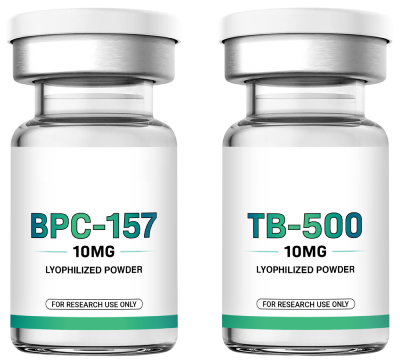
Peptides can get expensive, but as an FYI - BioEdge is doing 15% off this month (code mars15 at bioedgepeptides.com), one of the few suppliers that consistently delivers what their lab reports claim.
Supporting Cellular Repair Peptides
The core stack is NAD+ plus MOTS-c. But cellular repair doesn’t happen in isolation. These supporting peptides amplify the effects and address related pathways.
GHK-Cu: Best Peptide for Cellular Regeneration and Collagen
GHK-Cu is a copper peptide complex that occurs naturally in human plasma. It’s one of the most underrated peptides for longevity and cellular health.
GHK-Cu levels decline dramatically with age. By 60, you have about 60% less than at age 20. Supplementing helps maintain collagen and elastin production, cellular regeneration signals, wound healing capacity, antioxidant enzyme production, DNA repair mechanisms, and tissue quality.
My GHK-Cu Protocol: 2mg daily, subcutaneous injection OR topical, run continuously with no cycling needed.
BPC-157: Best Peptide for Inflammation Control and Gut Health
BPC-157 (Body Protection Compound) is foundational for any peptide protocol. Even when I’m not recovering from acute injuries, I keep it in rotation.
Chronic inflammation is one of the primary drivers of mitochondrial dysfunction. By keeping systemic inflammation in check, BPC-157 protects the mitochondrial repair work NAD+ and MOTS-c are doing.
My BPC-157 Protocol: 500mcg daily, subcutaneous injection, 10-12 week cycles with 8-10 weeks off.
Epithalon: Best Peptide for Telomere Protection and Anti-Aging
Epithalon is a synthetic version of epithalamin, a peptide naturally produced by the pineal gland. It’s one of the most researched longevity peptides available.
Epithalon works at the chromosomal level by activating telomerase (the enzyme that maintains telomere length), protecting telomeres from shortening, and regulating circadian rhythm and melatonin production.
My Epithalon Protocol: 1mg daily for 20 days, subcutaneous injection, evening before bed. Run 1-2 cycles per year.
Thymosin Alpha-1: Best Peptide for Immune System Optimization
Thymosin Alpha-1 is an immune-modulating peptide that enhances T-cell function and overall immune response.
Immune function declines with age, a process called immunosenescence. This impairs your body’s ability to clear cellular debris and maintain healthy tissue.
My Thymosin Alpha-1 Protocol: 1.6mg, 2-3x weekly, subcutaneous injection, 2-4 week cycles as needed. I use it strategically after travel, post-illness, or seasonally.
The Complete Cellular Repair Stack Protocol
Here’s exactly what I run for comprehensive cellular repair and mitochondrial optimization:
Tier 1: Core Mitochondrial Stack (Essential)
| Peptide | Dose | Frequency | Purpose |
|---|---|---|---|
| NAD+ | 50-100mg | 2-3x per week | Mitochondrial fuel and repair |
| MOTS-c | 5mg | 3x weekly M/W/F | Mitochondrial biogenesis |
Tier 2: Cellular Support (Highly Recommended)
| Peptide | Dose | Frequency | Purpose |
|---|---|---|---|
| GHK-Cu | 2mg | Daily | Cellular regeneration |
| BPC-157 | 500mcg | Daily, 10-12 week cycles | Inflammation control |
Tier 3: Longevity Cycles (Periodic)
| Peptide | Dose | Frequency | Purpose |
|---|---|---|---|
| Epithalon | 1mg | 20 days, 1-2x/yr | Telomere protection |
| Thymosin Alpha-1 | 1.6mg | 2-3x weekly, 2-4 wks | Immune optimization |
Realistic Timeline for Mitochondrial Peptides
The benefits are cumulative. You’re rebuilding cellular infrastructure.
Weeks 1-2: Subtle improvements in energy consistency. Possibly better sleep quality. Training feels marginally easier.
Weeks 3-4: Energy more stable throughout the day. Recovery windows noticeably shorter. Mental stamina improving.
Weeks 5-6: Clear difference in training capacity. Afternoon crashes mostly gone. Overall sense of vitality increasing.
Weeks 8-12: Full cumulative benefits realized. Recovery significantly faster. Body composition improvements with proper diet and training.
The key is consistency. These aren’t peptides you run for two weeks and expect dramatic results.

Frequently Asked Questions
Sourcing Quality Peptides for Cellular Repair
A note on quality because it matters.
Purity issues can mean you’re injecting something ineffective or contaminated. With something like NAD+ where dosing accuracy directly impacts results, you need to trust what’s in the vial.
What to look for:
- Third-party lab testing with COAs available
- Reputable supplier with consistent track record
- US-based with same-day shipping
- Accurate dosing confirmed by independent testing
Need help finding a source that meets all of my recommendations? That is easy, I always recommend BioEdge Research Labs.
Get Started With Your Cellular Repair Protocol
Mitochondrial health isn’t the sexiest topic in peptides. It doesn’t give you the instant gratification of fat loss or the visible results of healing protocols.
But it might be the most important piece of the longevity puzzle.
Everything else, energy, recovery, cognitive function, body composition, and how fast you age, flows downstream from how well your mitochondria function.
Ready to optimize your cellular health?
MOTS-c (x6) + NAD+ (x2) — Full mitochondria protocol. 25% off.
MOTS-c (x3) + NAD+ (x1) — Starter mitochondria bundle.
Use code MARS15 at bioedgeresearchlabs.com for an additional 15% off any order.
P.S. — Join Our Exclusive Skool Group for real stories, sleep protocols, and community support.
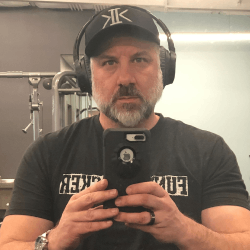
I’m Joe Mars, and I’ve dedicated the past ten years to understanding peptide therapy, longevity, and how to optimize the body through practical, real-life testing. My journey started when I was tired, inflamed, and aging faster than I should have been. Clear information on peptides was almost impossible to find, so I dug in, researched nonstop, and tested protocols on myself.
Over the years, I have learned from experts like Jay Campbell, Dr. Seeds, Jim LaValle, and Ben Greenfield, and I have completely transformed my health. Now in my fifties, I feel stronger and sharper than I did in my twenties. That experience is why I write. I want to give people simple and honest guidance so they can use peptides safely and effectively.
I believe in data, smart protocols, and taking responsibility for your own health. You are the protocol. Your habits, your consistency, and your awareness shape your results. Through The Peptide Report, I share what actually works so you can make informed decisions and build a healthier, more resilient body.
Peptides can get expensive, but as an FYI - BioEdge is doing 15% off this month (code mars15 at bioedgepeptides.com), one of the few suppliers that consistently delivers what their lab reports claim.