
Table of Contents
Peptide Use in Treating ADHD: What Actually Works

If you’re dealing with ADHD, you already know how frustrating it can be.
You can focus for 20 minutes. Then your brain disappears.
Or the meds work… but the side effects aren’t worth it.
I’m not here to tell you peptides are a miracle cure.
They’re not.
But after more than 10 years in this industry, and watching hundreds of people in our community experiment carefully and track results, I can tell you this.
Certain peptides target the exact systems ADHD disrupts.
Not all peptides. Specific ones.
Get Your Free Copy of The Ultimate Peptide Blueprint Exact stacks, dosages & cutting-edge protocols to cut fat, build muscle, and keep results-no fluff. No spam. Unsubscribe anytime.
Causes of Cell Danger Response in ADHD
Most people think ADHD is just a dopamine issue.
It’s more layered than that.
There is growing discussion around inflammation and something called the Cell Danger Response.
Exploring the Link Between Cell Response and ADHD
The Cell Danger Response is basically your body’s alarm system.
When your cells sense threat, stress, toxins, infections, they shift into defense mode.
That creates inflammation.
Inflammation does not stay in your joints or your gut.
It affects your brain.
And when inflammation rises, dopamine and norepinephrine signaling get disrupted.
That means worse focus. More fog. More impulsivity.
This is where peptides like BPC-157 and Thymosin Alpha-1 can matter.
Not because they are “focus drugs.”
But because they calm the underlying stress that makes ADHD louder.
Peptides can get expensive, but as an FYI - BioEdge is doing 10% off this month (code pep10 at bioedgepeptides.com), one of the few suppliers that consistently delivers what their lab reports claim.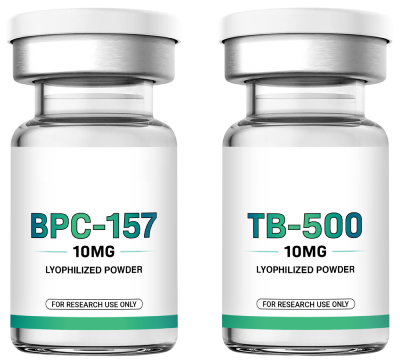
Who Can Benefit from Peptides in Treating ADHD?
I see a few categories of people this helps the most.
- People on stimulants who want to lower their dose.
- People who cannot tolerate Adderall or Ritalin.
- Adults diagnosed later in life looking for more tools.
- People with ADHD plus anxiety.
- Anyone dealing with brain fog and mental fatigue.
Peptides are not about forcing your brain into overdrive.
They support the systems that are already there.
Dopamine. GABA. Serotonin. BDNF.
When those systems work better, attention improves naturally.
Types of Peptides for Treating ADHD
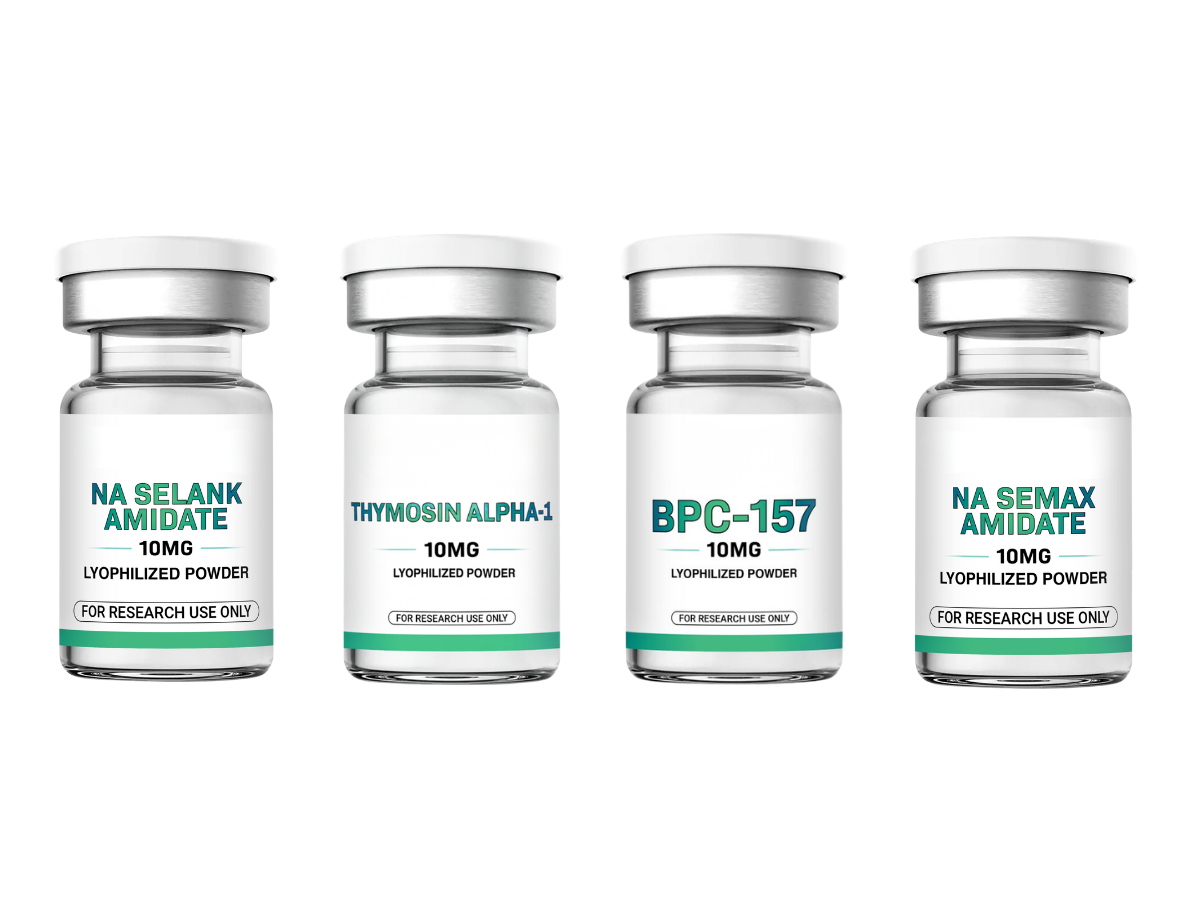
Peptides commonly used for ADHD including Semax, Selank and BPC-157.
These are the four I see work most consistently.
Comparing Different Peptides
1. NA Semax Amidate – Best for Focus
If someone asks me where to start, this is it.
Semax supports dopamine signaling.
It also increases BDNF, which helps strengthen neural connections over time.
People describe it as mental clarity without the buzz.
No crash. No jittery edge.
Just cleaner focus.
2. Selank – Best for ADHD with Anxiety
A lot of ADHD is anxiety-driven.
When the anxiety drops, focus improves.
Selank supports GABA activity.
It calms without sedating you.
Semax sharpens. Selank smooths.
3. BPC-157 – Best for Inflammation and Dopamine Recovery
BPC is known for injury repair.
But it also supports dopamine receptor balance and gut health.
If someone has been on stimulants for years and feels flat, this is worth looking at.
4. Thymosin Alpha-1 – Best for Immune and Inflammatory Support
This is foundational.
If inflammation is driving symptoms, calming that changes everything.
Peptides can get expensive, but as an FYI - BioEdge is doing 15% off this month (code mars15 at bioedgepeptides.com), one of the few suppliers that consistently delivers what their lab reports claim.
How Peptides Can Help Combat ADHD Symptoms
ADHD is not just focus.
It is emotional swings. Fatigue. Brain fog. Impulsivity.
Addressing Specific Symptoms
Brain fog – Semax is usually first line.
Anxiety – Selank.
Dopamine burnout – Add BPC-157.
Inflammation – Consider Thymosin Alpha-1.
You match the peptide to the symptom pattern.
Substituting Adderall with Peptides
I am not telling you to throw away your prescription.
That is between you and your doctor.
But if you are dealing with crashes, dependency concerns, or the shortage issues, peptides give you another lever to pull.
Overcoming the Adderall Shortage
Adderall forces dopamine release.
Semax supports dopamine regulation.
Different approach.
Some people transition fully.
Others reduce their dose.
Slow transitions work best.
Exploring the Role of Nootropic Drugs
Understanding Nootropics and Their Benefits
Stimulants act fast and hard.
Peptide nootropics build gradually.
They support long-term brain resilience instead of just short-term stimulation.
For something lifelong like ADHD, that matters.
How to Get Started with Peptides for ADHD
The Protocol I Recommend
Step 1: Start with NA Semax Amidate.
200–300mcg daily intranasal. Split dose.
Step 2: Add Selank if anxiety is present.
Step 3: Consider BPC-157 for inflammation or receptor recovery.
Step 4: Track everything weekly.
I source mine from BioEdge Research Labs. They carry Semax, Selank, and BPC-157. Use code MARS15 for 15% off.
FAQ About Peptides and ADHD
Joe Mars
The Peptide Report
This content is for educational purposes only. Peptides should be used under proper supervision. Always consult qualified healthcare providers before beginning any peptide protocol.
P.S. Join Our Skool Group for real protocols, Q&A, and community support.

I’m Joe Mars, and I’ve dedicated the past ten years to understanding peptide therapy, longevity, and how to optimize the body through practical, real-life testing. My journey started when I was tired, inflamed, and aging faster than I should have been. Clear information on peptides was almost impossible to find, so I dug in, researched nonstop, and tested protocols on myself.
Over the years, I have learned from experts like Jay Campbell, Dr. Seeds, Jim LaValle, and Ben Greenfield, and I have completely transformed my health. Now in my fifties, I feel stronger and sharper than I did in my twenties. That experience is why I write. I want to give people simple and honest guidance so they can use peptides safely and effectively.
I believe in data, smart protocols, and taking responsibility for your own health. You are the protocol. Your habits, your consistency, and your awareness shape your results. Through The Peptide Report, I share what actually works so you can make informed decisions and build a healthier, more resilient body.
Peptides can get expensive, but as an FYI - BioEdge is doing 15% off this month (code mars15 at bioedgepeptides.com), one of the few suppliers that consistently delivers what their lab reports claim.