
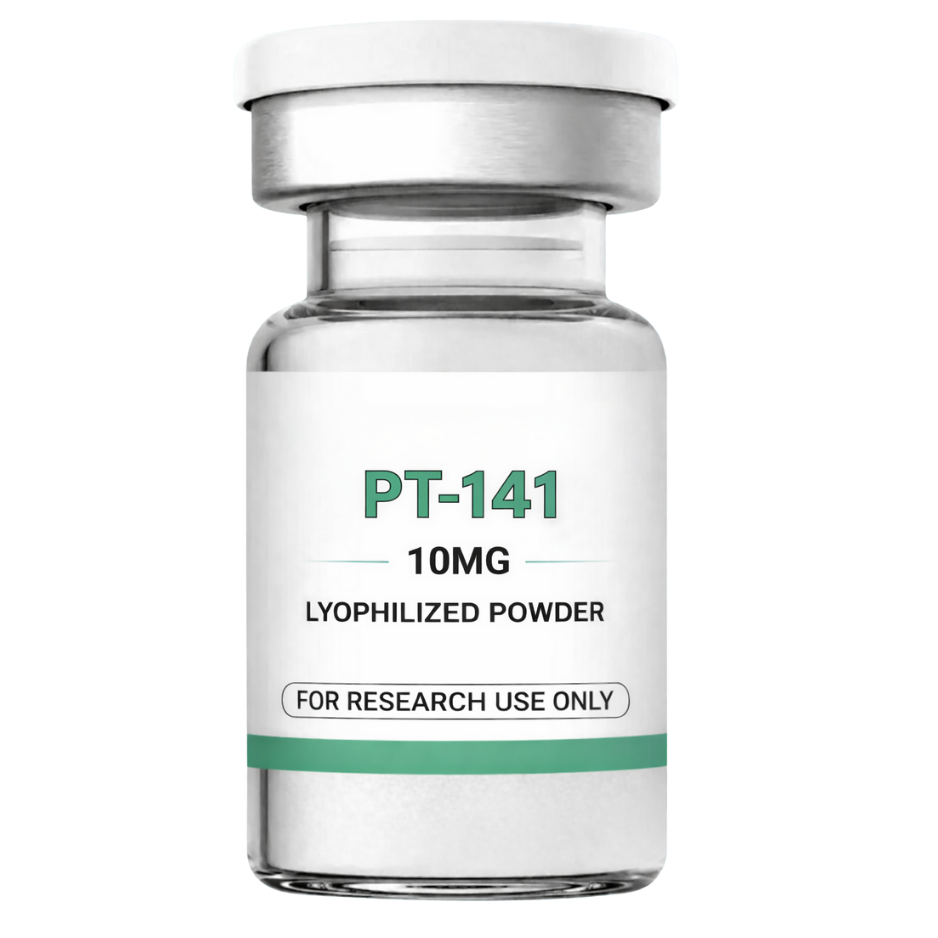
PT-141 (10mg Vial) Dosage Protocol
Quickstart Highlights
PT-141, also known as bremelanotide, is a synthetic peptide derived from the melanocortin family. Unlike compounds that act through vascular or hormonal pathways, PT-141 works centrally by activating melanocortin receptors in the brain, particularly those involved in motivation, arousal, and autonomic signaling.
In simple terms, PT-141 influences neurological pathways related to desire and responsiveness, rather than acting on blood flow or peripheral tissues. Its mechanism is distinct from traditional agents in its category, as it targets central nervous system signaling instead of local physiological processes.
Who might explore PT-141 research? Individuals or studies focused on:
Reduced sexual desire or arousal signaling
Central nervous system–driven libido changes
Stress- or fatigue-related declines in responsiveness
Autonomic or neurochemical imbalance affecting motivation
PT-141 originated from research on melanocortin receptor modulation and has progressed through advanced clinical development, including FDA approval for specific indications related to hypoactive sexual desire. Its development highlighted the role of central neuropeptide signaling in sexual function, independent of cardiovascular mechanisms.
Dosing & Reconstitution Guide
Educational guide for reconstitution and daily dosing
Standard / Gradual Approach (3 mL = ~3.33 mg/mL)z
WEEK | DAILY DOSE | UNITS (PER INJECTION) (ML) |
|---|---|---|
Standard FDA Approved Dose | 1,750mcg | 53 units |
Lower Dose | 1,000mcg | 30 units |
Moderate Start | 500mcg | 15 units |
Cell | Cell | Cell |
Reconstitution Steps
Important: This guide is for educational purposes only and is not medical advice. For research use only. Not for human or animal use. LAB ONLY.
Dosing Overview
Suggested daily titration approach.
Storage Instructions
Proper storage preserves peptide quality and potency.
How PT-141 Works in the Body
PT-141, also known as bremelanotide, is a synthetic melanocortin peptide that has become a major focus in modern sexual health research. Unlike traditional treatments that rely on vascular or hormonal pathways, PT-141 acts directly on the brain, influencing neurological signals tied to sexual desire and arousal.
PT-141 is FDA-approved for the treatment of hypoactive sexual desire disorder (HSDD) in women, but research and clinical experience suggest its effects are not limited by gender. Studies and observational data indicate that men may also experience improvements in sexual responsiveness and arousal signaling due to PT-141’s central mechanism of action.
Derived from alpha-melanocyte-stimulating hormone (α-MSH), PT-141 activates melanocortin receptors (MC3R and MC4R) in the central nervous system. These receptors play a key role in motivation, arousal, and autonomic regulation, making PT-141 fundamentally different from medications that focus solely on blood flow or testosterone modulation.
Key Benefits of PT-141
PT-141 is best known for its role in enhancing sexual desire and arousal through direct action on the brain. Rather than influencing hormones or blood flow, PT-141 activates melanocortin receptors in the central nervous system—key signaling pathways involved in motivation, arousal, and reward processing.
For women, PT-141 has gained particular recognition for its ability to address hypoactive sexual desire disorder (HSDD). By restoring desire signaling at the neurological level, it may help improve intimacy, responsiveness, and overall sexual satisfaction. This central mechanism distinguishes PT-141 from many traditional approaches that focus only on peripheral physiology.
PT-141 is not limited to female sexual health. Research and clinical use indicate that men may also experience enhanced arousal and improved erectile responsiveness, as melanocortin signaling plays an important role in male sexual function as well.
Beyond sexual wellness, PT-141 has attracted attention for its broader neurological and metabolic effects. Studies suggest it may support cognitive performance, influence appetite regulation and fat metabolism, and interact with brain pathways involved in reward and addictive behaviors, including alcohol use. These effects are tied to the same central signaling networks that govern motivation and energy balance.
Additional areas of interest include immune modulation and ocular health, where melanocortin receptors are known to play protective and regulatory roles. While these applications are still being explored, they highlight the peptide’s wide-ranging influence on brain-body communication.
With its rapid onset of action and diverse physiological effects, PT-141 stands out as more than a single-purpose compound. Its ability to act centrally across multiple systems has positioned it as a versatile peptide in sexual health, metabolic research, and neurobiology.
PT-141 | Clinical Studies
PT-141 delivers a broad range of clinically supported benefits, extending well beyond sexual wellness. Research highlights its impact on sexual desire, arousal signaling, weight management, inflammation, and cognitive pathways, making it one of the more versatile melanocortin peptides studied to date.
Sexual Health and Arousal Support
PT-141 is best known for enhancing sexual desire and responsiveness by activating melanocortin receptors in the brain. Unlike hormone-based therapies, it works centrally rather than altering endocrine balance.
For women: FDA-approved for hypoactive sexual desire disorder (HSDD), with clinical trials showing increased desire, satisfaction, and reduced sexual distress
For men: Shown to improve arousal and erectile responsiveness, including in individuals who do not respond well to traditional ED medications
Fast onset: Effects commonly reported within 30–45 minutes
Weight Management and Fat Loss
Beyond sexual health, PT-141 has demonstrated effects on appetite regulation and energy balance. By activating the melanocortin-4 receptor (MC4R), it helps reduce caloric intake and increase satiety. Clinical studies in overweight women showed measurable weight reduction without adverse cardiovascular effects.
Anti-Inflammatory and Metabolic Effects
Emerging data suggest PT-141 may help modulate inflammatory pathways, supporting overall metabolic health. Reduced inflammatory signaling has been observed in preclinical models, pointing to potential benefits for conditions associated with chronic inflammation.
Cognitive and Brain Function
PT-141 also influences neurotransmitters such as dopamine, serotonin, and oxytocin, which are involved in motivation, mood, focus, and social behavior. Early research indicates potential benefits for mental clarity, emotional processing, and cognitive performance, making it an area of growing interest in neuropeptide research.
Is PT-141 Safe?
PT-141 has demonstrated a favorable safety profile in clinical research and has been FDA-approved for use in women with hypoactive sexual desire disorder (HSDD) following controlled trials. These studies confirmed its effectiveness while reporting relatively few and generally mild side effects.
Although PT-141 is not currently approved for the treatment of erectile dysfunction in men, early clinical and observational studies have shown encouraging outcomes in male sexual health. In particular, research exploring doses above 1 mg has reported improvements in arousal and responsiveness, supporting continued investigation in this area.
As with many peptides and bioactive compounds, individual response can vary based on physiology, dosage, and overall health status. For this reason, PT-141 is typically discussed within the context of personalized protocols and monitored use, especially for individuals with underlying cardiovascular or blood-pressure-related concerns.
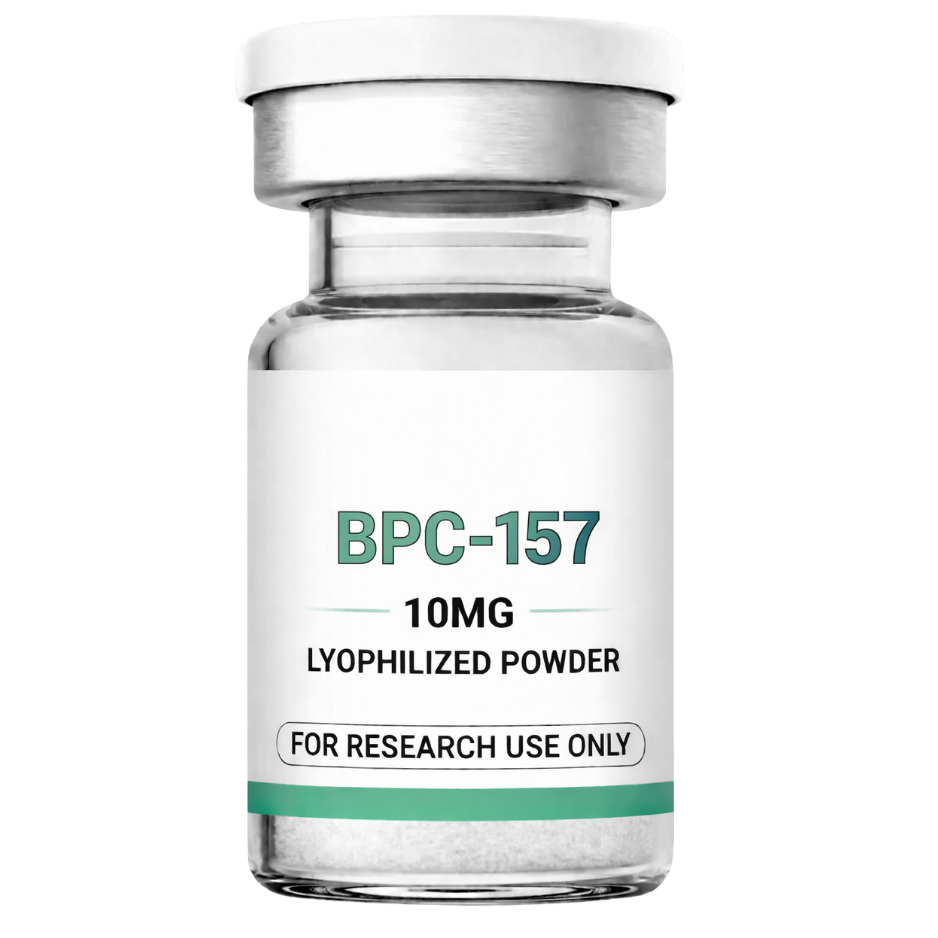
Supplies Needed
Get Your Free Copy of The Ultimate Peptide Blueprint
Exact stacks, dosages & cutting-edge protocols to cut fat, build muscle, and keep results-no fluff.
No spam. Unsubscribe anytime.
Important Notes
Proper storage preserves peptide quality and potency.
Peptides can get expensive, but as an FYI - BioEdge is doing 10% off this month (code pep10 at bioedgepeptides.com), one of the few suppliers that consistently delivers what their lab reports claim.

I’m Joe Mars, and I’ve dedicated the past ten years to understanding peptide therapy, longevity, and how to optimize the body through practical, real-life testing. My journey started when I was tired, inflamed, and aging faster than I should have been. Clear information on peptides was almost impossible to find, so I dug in, researched nonstop, and tested protocols on myself.
Over the years, I have learned from experts like Jay Campbell, Dr. Seeds, Jim LaValle, and Ben Greenfield, and I have completely transformed my health. Now in my fifties, I feel stronger and sharper than I did in my twenties. That experience is why I write. I want to give people simple and honest guidance so they can use peptides safely and effectively.
I believe in data, smart protocols, and taking responsibility for your own health. You are the protocol. Your habits, your consistency, and your awareness shape your results. Through The Peptide Report, I share what actually works so you can make informed decisions and build a healthier, more resilient body.