
GLOW Dosage Protocol
Quickstart Highlights
GLOW might sound like a skincare cream or a wellness boost — and in a way, that’s exactly what it aims to support. This blend of GHK-Cu, BPC-157, and TB-500 is being explored for how it may help people feel better in their day-to-day lives: soothing lingering aches, supporting smoother and healthier-looking skin, and helping the body bounce back more easily from stress and strain. Instead of focusing on the science alone, GLOW is drawing interest for how it might help people feel more restored, refreshed, and resilient.
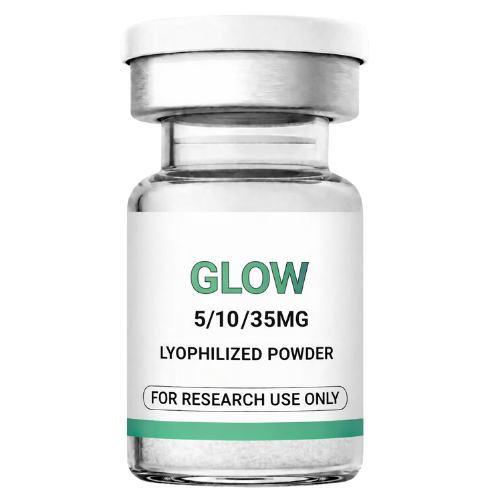
Dosing & Reconstitution Guide
Educational guide for reconstitution and daily dosing
Standard / Gradual Approach (3 mL = ~23.3 mg/mL)z
WEEK | DAILY DOSE | UNITS (PER INJECTION) (ML) |
|---|---|---|
Weeks 1-4 | 2,330 mcg | 10 units |
Cell | Cell | Cell |
Cell | Cell | Cell |
Cell | Cell | Cell |
Reconstitution Steps
Important: This guide is for educational purposes only and is not medical advice. For research use only. Not for human or animal use. LAB ONLY.
Dosing Overview
Suggested daily titration approach.
Protocol Overview
Concise summary of the once‑daily regimen.
Storage Instructions
Proper storage preserves peptide quality and potency.
What Does GLOW Do?
When I first heard about “GLOW,” it sounded like something from the beauty industry. In peptide science, however, it refers to a multi-functional experimental blend. Researchers and users have become increasingly interested in it because of the way it brings together three regenerative agents, each with distinct biological strengths:
- GHK-Cu is known for supporting skin renewal and collagen production, which can help your skin look and feel healthier.
- BPC-157 is often linked to faster healing and reduced inflammation.
- TB-500, on the other hand, is thought to help with recovery by improving blood flow and supporting tissue repair.
The GLOW formula is built to support total body renewal. It is designed to help your system repair and restore itself from within, targeting skin, muscle, nerves, and connective tissue all at once. By encouraging natural regeneration on multiple levels, GLOW helps promote smoother skin, stronger recovery, and a healthier, more balanced body overall.
GLOW Benefits | Pre-clinical Studies
Let me break down what’s been observed so far in preclinical studies for each peptide.
GHK-Cu (Copper Peptide)
- Stimulates collagen and elastin production, improving tissue structure in skin and joints
- Promotes angiogenesis (the formation of new blood vessels)
- May support natural antioxidant activity that protects cells from damage
- Has shown effects in models of wound healing and hair follicle regeneration
BPC-157 (Body Protection Compound)
- Could assist with overall balance in the body’s natural healing responses
- Studied for gut lining repair, nerve regeneration, and muscle healing
- May help balance inflammatory responses in localized tissue models
TB-500 (Thymosin Beta-4 analogue)
- Helps cells move quickly to the areas where they’re needed most for recovery
- Supports the formation of new blood vessels and helps reduce scarring during healing
- Associated with organized collagen alignment, reducing scarring, and optimizing structural integrity
When these peptides are used together, studies suggest they may strengthen each other’s effects, leading to better tissue repair, reduced inflammation, and faster recovery. That’s why there’s growing attention toward “GLOW” as a composite formulation in peptide science.
Key Research Areas and Observed Benefits of the GLOW Peptide Blend
GLOW represents one of the most fascinating intersections in peptide science, where cellular repair, inflammation control, and aesthetic rejuvenation all seem to overlap in meaningful ways.
In controlled laboratory studies, the combined action of GHK-Cu, BPC-157, and TB-500 has been explored for its multi-system regenerative potential. Below are some of the research highlights from preclinical and in vitro work.
Skin Regeneration and Collagen Remodeling
GHK-Cu has been shown to stimulate fibroblast activity, encouraging the production of new collagen and elastin. Researchers observed improvements in skin elasticity, firmness, and healing rates in models of dermal injury.
When paired with BPC-157, the blend may support the formation of new tiny blood vessels (capillaries), helping deliver oxygen and nutrients to the skin while it heals.
These findings have inspired interest in “GLOW” as a model for studying skin repair and anti-aging biology.
Muscle and Tissue Recovery
TB-500 plays a central role here, as it regulates actin, the protein responsible for cellular movement and organization. Meanwhile, BPC-157 is said to amplify recovery by reducing inflammation and helping muscle fibers repair faster.
In experimental animal studies, the combination accelerated muscle fiber restoration and tendon strength compared to single-agent models.
Nerve and Neuroprotective Studies
BPC-157 has been explored for how it may help protect and restore nerve function, especially after injury, while GHK-Cu is known to support healthy cell activity and may help protect nerve cells from stress.
Together, they are being studied for their possible role in neurological repair and recovery frameworks.
Vascular and Circulatory Support
Both BPC-157 and TB-500 have shown strong potential in helping new blood vessels form more quickly, improving circulation. This process may help tissues heal faster by getting more oxygen and nutrients to the areas that need it most.
Anti-Inflammatory and Systemic Repair Pathways
Inflammation control is one of the most consistent findings across all three peptides. BPC-157 and GHK-Cu seem to help calm down overactive inflammatory responses, while TB-500 supports how cells organize and repair themselves when the body is under stress.
Early evidence points to potential use cases for studying chronic inflammation, oxidative damage, and tissue degradation.
Dosage: Research Use Parameters
In laboratory settings, researchers approach peptide dosing carefully, starting low and adjusting based on tolerance and model response. Below are standardized examples based on published and observed preclinical protocols.
Take note that these are not human recommendations; they reflect laboratory research design parameters only.
GHK-Cu Research Dosing
- Standard range: 1–3 mg per day (injection under the skin)
- Frequency: Once daily or 5 days on and 2 days off
- Cycle length: 12–16 weeks in skin and tissue studies
BPC-157 Research Dosing
- Systemic models: 250–500 mcg once or twice daily (subcutaneous)
- Oral models (for gut repair research): 200–500 mcg daily on an empty stomach
TB-500 Research Dosing
- Standard range: 2.5–5 mg twice weekly (subcutaneous)
- Loading phase: 4–6 weeks at full dose
- Maintenance: 2.5–5 mg weekly thereafter
Get Your Free Copy of The Ultimate Peptide Blueprint
Exact stacks, dosages & cutting-edge protocols to cut fat, build muscle, and keep results-no fluff.
No spam. Unsubscribe anytime.
Important Notes
Proper storage preserves peptide quality and potency.
Peptides can get expensive, but as an FYI - BioEdge is doing 10% off this month (code pep10 at bioedgepeptides.com), one of the few suppliers that consistently delivers what their lab reports claim.
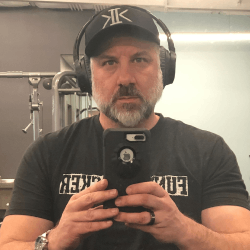
I’m Joe Mars, and I’ve dedicated the past ten years to understanding peptide therapy, longevity, and how to optimize the body through practical, real-life testing. My journey started when I was tired, inflamed, and aging faster than I should have been. Clear information on peptides was almost impossible to find, so I dug in, researched nonstop, and tested protocols on myself.
Over the years, I have learned from experts like Jay Campbell, Dr. Seeds, Jim LaValle, and Ben Greenfield, and I have completely transformed my health. Now in my fifties, I feel stronger and sharper than I did in my twenties. That experience is why I write. I want to give people simple and honest guidance so they can use peptides safely and effectively.
I believe in data, smart protocols, and taking responsibility for your own health. You are the protocol. Your habits, your consistency, and your awareness shape your results. Through The Peptide Report, I share what actually works so you can make informed decisions and build a healthier, more resilient body.