
Research Peptide
Peptide
How it Works
Primary Research
Alternative Names
Key Studies
Mitochondrial-encoded Peptide MOTS-c, Diabetes, and Aging-related Diseases
Potential Risks
Chemical Structure
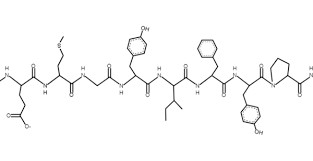
MOTS-c (Mitochondrial Open Reading Frame of the Twelve S rRNA-c) (also known as Mitochondrial MOTS-c, and mitokine) is a short, 16-amino-acid peptide produced from mitochondrial DNA. It is one of the mitochondrial-derived peptides, small signaling molecules that mitochondria release to influence cellular metabolism and stress responses.
This peptide was first described in the scientific literature in the mid-2010s, when researchers began to identify functional peptides encoded by mitochondrial DNA and study their role as metabolic regulators. These discoveries opened a new area of research focused on mitochondrial communication beyond classic energy production.
Low MOTS-c levels have been linked with aging and metabolic decline. Signs that suggest someone might benefit from exploring MOTS-c research include persistent low energy, reduced exercise capacity, difficulty losing central body fat, or early signs of insulin resistance that do not fully respond to lifestyle changes.
This article guides you through the following:
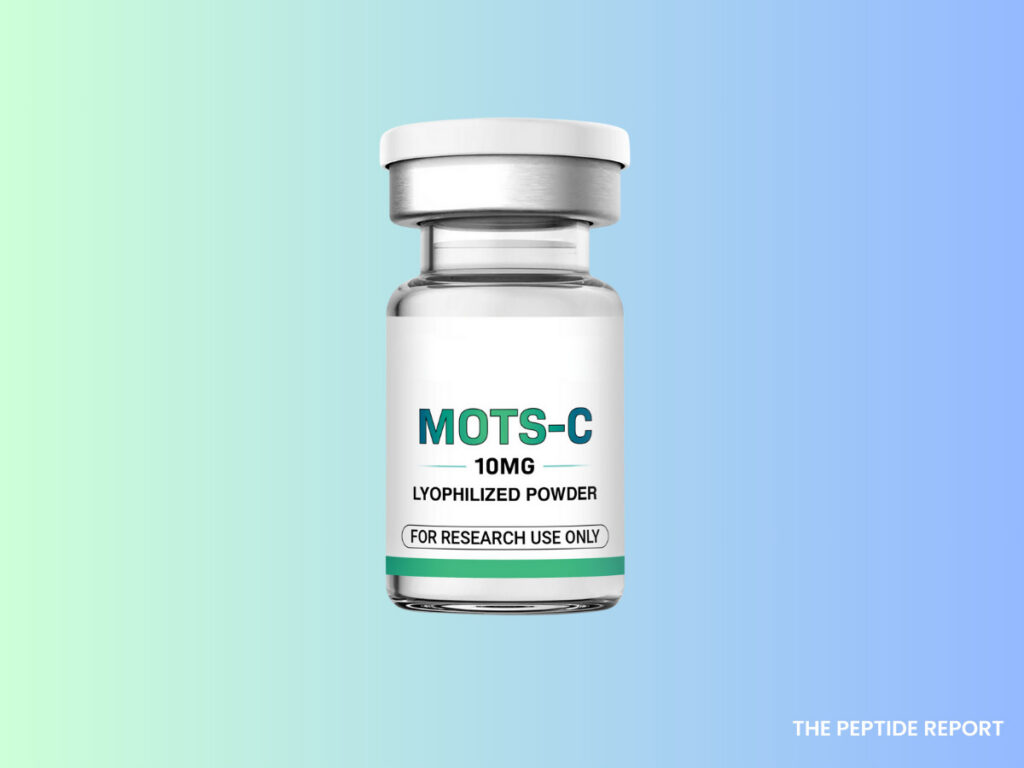
MOTS-c peptide activates important energy sensors inside cells, especially AMP-activated protein kinase (AMPK), which shifts cells toward better glucose uptake and increased fat oxidation. The peptide can influence mitochondrial function and cellular energy balance. Under conditions of metabolic stress, MOTS-c has been observed to translocate to the nucleus, where it can influence gene expression to favor resilience and efficient fuel use.
Here are the potential side effects:
MOTS-c mainly targets skeletal muscle and other metabolic tissues to improve glucose handling. In animal models it increases cellular glucose uptake and enhances insulin sensitivity through activation of AMPK and related metabolic pathways. These mechanisms help tissues use glucose more efficiently, which translates into improved systemic metabolic markers in controlled studies.
Beyond glucose, MOTS-c improves fat oxidation and may reduce fat accumulation when paired with diet or activity changes. This peptide appears to increase metabolic flexibility, the ability to switch between fuels depending on demand. That is valuable because metabolic flexibility is often impaired in people with insulin resistance or central obesity.
Practically, MOTS-c has been described as having some exercise mimetic effects. It does not replace training, but in preclinical work, it amplifies many of the same pathways that exercise activates, making it an interesting candidate for studies that combine peptide interventions with nutrition and training programs.
Research has pointed to several specific ways MOTS-c may support healthier aging, and these can be grouped into key functional outcomes.

Where to Buy
There are a lot of shady peptide sites out there — underdosed, untested, and unreliable. BioEdge Labs is different. Every product is fully third-party tested. If you care about your research, this is the lab to trust.
How can MOTS-c change the way your body handles energy?
MOTS-c influences metabolism through several overlapping mechanisms. It activates AMP-activated protein kinase (AMPK), a central energy sensor, which encourages cells to take up glucose and burn fat more efficiently. It also interacts with elements of the folate cycle, producing intermediates that mimic exercise-like signals inside the cells.
Finally, under metabolic stress, the peptide can move into the nucleus and adjust the expression of genes that favor resilience and efficient energy use. In plain terms, MOTS-c helps cells switch fuels more readily and recover faster from energy stress.
Below are some practical, research-informed dosing examples. Use these numbers cautiously. Start at the low end, track tolerability and functional outcomes, and only increase dose or frequency if markers and symptoms permit. Treat MOTS-c like a cycling intervention rather than continuous daily dosing, especially in early studies.
Where to Buy
There are a lot of shady peptide sites out there — underdosed, untested, and unreliable. BioEdge Labs is different. Every product is fully third-party tested. If you care about your research, this is the lab to trust.
Peptides can get expensive, but as an FYI – BioEdge is doing 15% off this month.
Note: the evidence base is still small, so conservative use in controlled research is the safest path.
Begin with the Certificate of Analysis
A visible HPLC report plus MS data is the single most important proof of identity and purity. Verify that the COA references the exact product name on the product page, and scan the QR code or follow the lab link so the report is hosted by the independent testing lab. Check test dates; recent COAs are best, ideally within the last six to twelve months depending on turnover. Confirm the testing lab by name so you can verify independently.
Other essentials include clear business contact information, a transparent return policy, honest stock listings, and reasonable pricing that reflects testing and handling costs.
If support is slow or evasive when you ask for the COA, treat that as a red flag.
Why It is Important to Buy From a Trusted Website
Quality controls matter for safety, reproducibility, and peace of mind. Trusted vendors reduce the risk of contamination, substitution, and delays that compromise studies or wellness plans. Look for sellers who make verification easy and who back their products with visible documentation.
Here are the specific qualities that set a reputable peptide supplier apart:
Bioedge Research Labs follows these practices and is built around the kind of transparency and shipping reliability that researchers and serious health optimizers depend on.
BioEdge Research Labs
MOTS-c is a promising mitochondrial peptide with demonstrated benefits in animal studies and early human research. It may improve exercise capacity, metabolic health, and markers of healthy aging. For researchers and serious health optimizers, MOTS-c is best used as part of a plan that includes diet, training, and carefully designed dosing and monitoring.
Use MOTS-c as an adjunct to structured nutrition and progressive training. In research settings, plan baseline measures (fasting glucose, insulin sensitivity, body composition, and functional tests) and repeat them at defined intervals. Collect both objective biomarkers and subjective reports so you can assess benefit and tolerability.
Begin conservatively: start with lower dosing examples from the protocol, monitor injection sites, and rotate locations. Record any adverse symptoms and adjust dosing before increasing intensity. Also, verify product COAs and supplier transparency before ordering so your study or wellness plan rests on verifiable quality.
Find MOTS-c from our top-rated vendor, Bioedge Research Labs.

Joe Mars
Founder, The Peptide Report
I’m Joe Mars, and I’ve dedicated the past ten years to understanding peptide therapy, longevity, and how to optimize the body through practical, real-life testing. My journey started when I was tired, inflamed, and aging faster than I should have been. Clear information on peptides was almost impossible to find, so I dug in, researched nonstop, and tested protocols on myself.
Over the years, I have learned from experts like Jay Campbell, Dr. Seeds, Jim LaValle, and Ben Greenfield, and I have completely transformed my health. Now in my fifties, I feel stronger and sharper than I did in my twenties. That experience is why I write. I want to give people simple and honest guidance so they can use peptides safely and effectively.
I believe in data, smart protocols, and taking responsibility for your own health. You are the protocol. Your habits, your consistency, and your awareness shape your results. Through The Peptide Report, I share what actually works so you can make informed decisions and build a healthier, more resilient body.
Instant e-Book Download