BPC-157 for Erectile Dysfunction: Exploring the Potential
BPC-157 and erectile function connect through nitric oxide. It is the molecule that triggers an erection, and it runs through most of what BPC-157 is understood to do.
Here is the physiology and the research behind that connection.

How an erection works
Erectile function is a vascular event, and nitric oxide starts it.
Sexual stimulation causes nerve endings and the endothelium — the lining of blood vessels — in the penis to release nitric oxide. That activates guanylate cyclase, which produces cyclic GMP. cGMP relaxes the smooth muscle in the corpora cavernosa. As the muscle relaxes, vascular spaces expand and fill with blood, and the rising pressure compresses the veins that would drain it. Blood enters faster than it leaves.
The sequence depends on two things: enough nitric oxide, and an endothelium healthy enough to produce it.
This is also why PDE5 inhibitors like sildenafil and tadalafil work the way they do. They block phosphodiesterase type 5, the enzyme that breaks cGMP down, so the signal lasts longer. They extend an existing signal rather than creating one, which is why sexual stimulation is still required.
What BPC-157 is
BPC-157 is a fifteen-amino-acid peptide, described as a partial sequence of a protein found in gastric juice. Research on it spans tissue repair, vascular effects, gut healing and nerve injury models, with the nitric oxide system appearing throughout.
The vascular research
A study in isolated rat aorta found BPC-157 produced concentration-dependent vasodilation. Removing the endothelium largely abolished the effect, showing it was endothelium-dependent rather than acting on smooth muscle directly. Blocking nitric oxide synthase also abolished it, confirming the effect ran through nitric oxide.
The study traced the signalling. BPC-157 increased phosphorylation of Src, caveolin-1 and endothelial nitric oxide synthase, and reduced the binding between caveolin-1 and eNOS.
That last detail is the mechanistically interesting one. Caveolin-1 binds eNOS and holds it in an inactive state — it acts as a brake. Releasing that binding is one of the primary ways the enzyme gets switched on. The pathway described runs Src → caveolin-1 release → eNOS activation → nitric oxide production.
BPC-157 also induced nitric oxide generation directly in endothelial cells, and promoted their migration.
Angiogenesis and vascular supply
Separate from acute vasodilation, BPC-157 has been associated with angiogenesis — the formation of new blood vessels — through VEGF signalling. Endothelial cell migration, seen in the vasodilation study, is part of that process.
Erectile function depends on vascular supply as much as on acute signalling. Chronic reduction in penile blood flow is one of the more common contributors to erectile difficulty, and it develops through the same process that narrows arteries elsewhere.
Nerve signalling
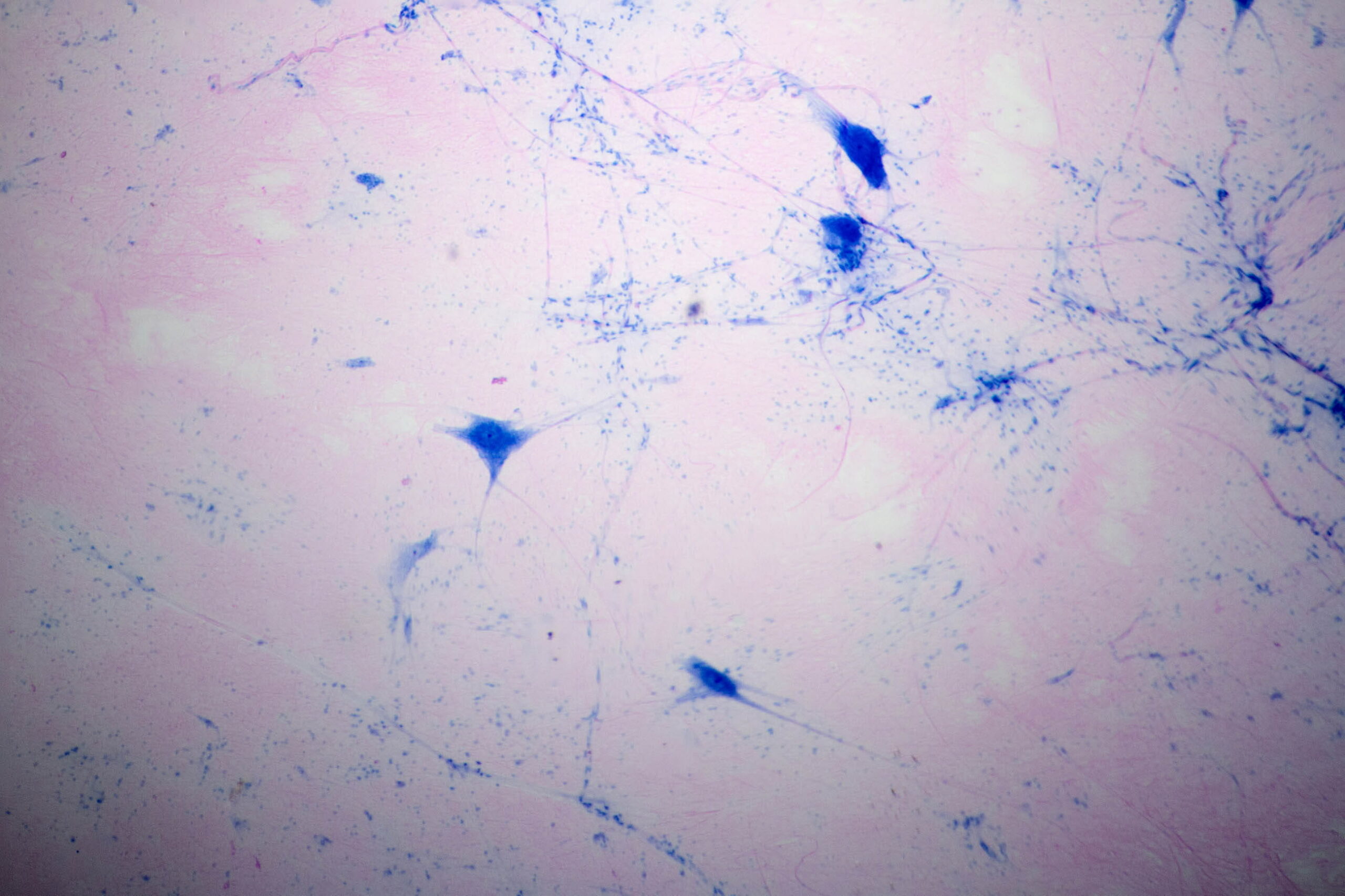
Erections require an intact signal from the nervous system to the pelvic nerves before any vascular response begins. Where those nerves are damaged — by surgery, injury, or the nerve damage that develops in diabetes — the vascular machinery may be entirely functional but never receive the trigger.
BPC-157 has shown neuroprotective and nerve-regenerative effects across a range of rodent injury models, including peripheral nerve transection and spinal cord injury work. This is the basis for interest in it where the underlying problem is neurogenic rather than vascular.
Inflammation and the endothelium
Chronic low-grade inflammation damages endothelial tissue and reduces its capacity to produce nitric oxide on demand. Since the entire erectile response begins at the endothelium, that damage sits upstream of everything else.
BPC-157 has been described as modulating inflammatory signalling, including reduction of pro-inflammatory cytokines, alongside effects on oxidative stress. The relevance here is to endothelial function generally rather than to erectile tissue specifically.
What underlies erectile dysfunction
The causes divide roughly into categories, and they map onto the mechanisms above.
Vascular — reduced blood flow or impaired endothelial nitric oxide production. The most common category, and the one PDE5 inhibitors address. Because penile arteries are narrow relative to coronary arteries, endothelial dysfunction often becomes apparent here before it does elsewhere, which is why ED is treated clinically as a useful indicator of broader vascular health.
Neurogenic — the signal doesn’t reach the tissue. Common after pelvic surgery, spinal injury, or in diabetic neuropathy.
Hormonal — low testosterone or thyroid dysfunction affecting libido and vascular responsiveness.
Pharmacological — a documented side effect of several common medication classes.
Which category applies determines what actually helps, which is why assessment tends to precede treatment.
Bottom line
BPC-157’s association with erectile function rests on the nitric oxide system, and the vascular research behind that is specific: endothelium-dependent vasodilation, mediated by nitric oxide, through Src-caveolin-1-eNOS signalling. Its angiogenic, neuroprotective and anti-inflammatory effects each touch a different one of the systems erectile function depends on.
The research to date is preclinical, conducted in animal tissue and animal models, and none of it has examined erectile function as an endpoint. BPC-157 has no approval for human use in any jurisdiction.