BPC-157 Tablets vs. Injection: Weighing the Pros and Cons

FREE RESOURCE

The Most Useful Peptide Resource You’ll Download This Year

The clearest, no-nonsense breakdown of peptide families, structures, naming conventions, and research categories

Let me cut straight to it.

If you’re considering BPC-157, the first real decision you’ll make is how you’re going to take it.

Tablets or injections.

I’ve used both. I’ve tracked results with both. And I’m going to walk you through exactly what works, what doesn’t, and why the delivery method matters way more than most people realize.

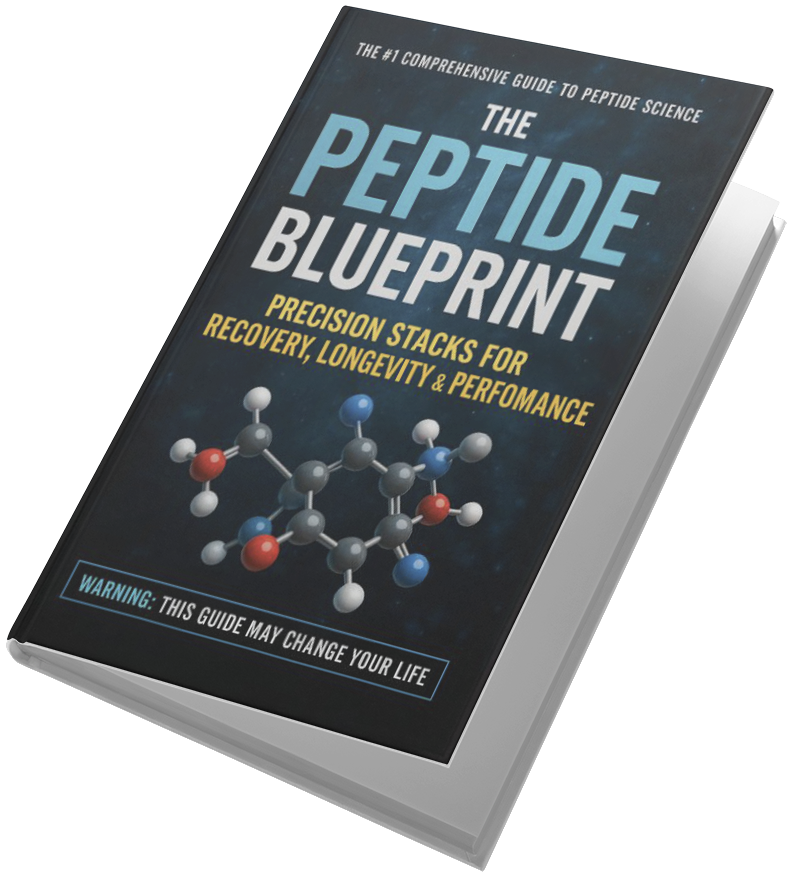
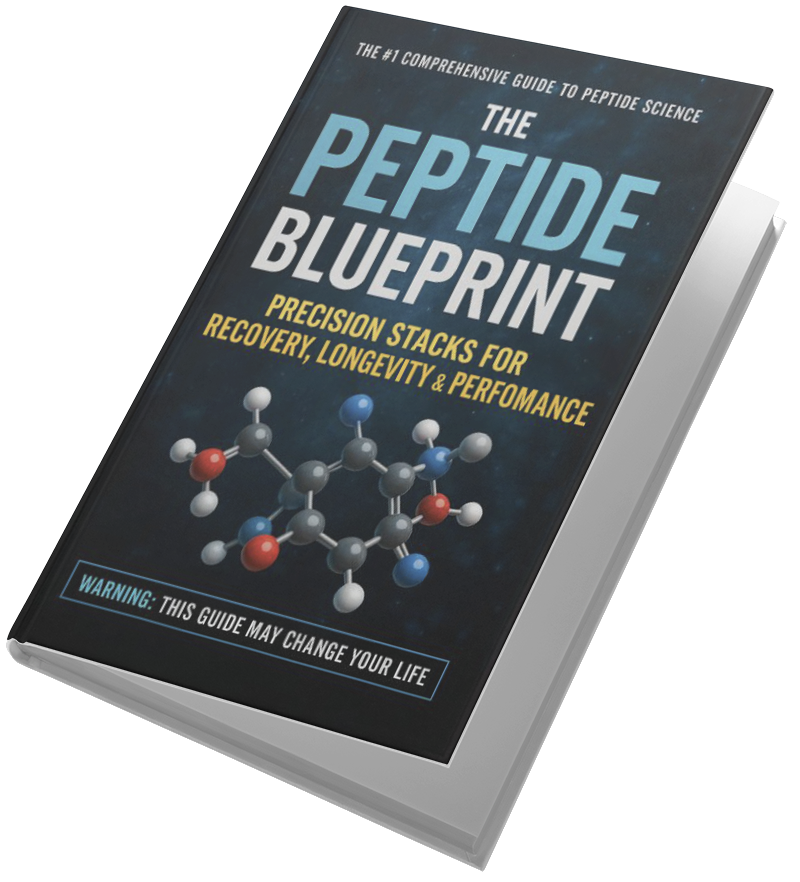
Get Your Free Copy of The Ultimate Peptide Blueprint

Exact stacks, dosages & cutting-edge protocols to cut fat, build muscle, and keep results-no fluff.

No spam. Unsubscribe anytime.

BPC-157 Tablets vs. Injection: The Real Difference

This is where most people get confused.

They assume tablets and injections are basically the same thing, just different delivery methods. But that’s not true. They work very differently in your body, and the method you choose can make or break your results.

Let me break down both options.

BRL Products

Peptides can get expensive, but as an FYI - BioEdge is doing 10% off this month (code pep10 at bioedgepeptides.com), one of the few suppliers that consistently delivers what their lab reports claim.

Injections: Strongest Absorption and Fastest Results

Injections are the gold standard for BPC-157. When you inject the peptide, you’re delivering it directly into your body, either under the skin or into a muscle. This bypasses the digestive tract entirely, which means faster absorption and higher bioavailability.

Bioavailability is just a fancy way of saying how much of the peptide actually gets into your system and stays active.

When I use BPC-157 for an injury, I inject it subcutaneously near the affected area. For my Achilles, I injected around my ankle. For my daughter’s ACL, we injected around her knee. The idea is to increase the concentration of BPC-157 where the damage is, which speeds up healing.

And it works.

Injections deliver more of the peptide to your bloodstream, which means more of it is available to support recovery. You get faster results, more noticeable relief, and better outcomes overall.

I know needles scare some people. I get it. But if you’re serious about healing an injury or addressing a nerve issue, injections are the way to go.

Injections for Nerve Support and Systemic Conditions

When it comes to nerve-related issues like sciatica, carpal tunnel, or pinched nerves, injections are again the top choice.

Why?

Because these issues require deeper, more reliable support. Oral capsules might not deliver enough of the peptide to your bloodstream to make a real difference. Injections bypass the digestive system and give you higher bioavailability, which means more of the peptide enters circulation and stays active.

This allows BPC-157 to start supporting nerve pathways and reducing inflammation more efficiently, without being delayed or reduced by the digestive process.

For widespread inflammation or systemic imbalances, injections also provide a more dependable way to deliver therapeutic levels of BPC-157 throughout your body. You get the same reliable effect from each dose, day after day, without fluctuations in absorption or strength.

Capsules: Convenient and Non-Invasive

Capsules are a great choice if you value simplicity and comfort. They’re easy to take, travel-friendly, and require no mixing or needle use.

I use capsules when I’m doing general wellness support or managing mild, ongoing symptoms where convenience is a priority. For example, if I’m traveling and want to keep my gut health in check, I’ll pop a capsule in the morning. Simple.

Capsules are also a good fit for people who are interested in daily resilience, immune balance, or general maintenance. They’re easier to stick with long term because there’s no prep work involved.

Capsules vs. Injections for Gut Health

This is where things get interesting.

Most people assume that if you’re trying to heal your gut, you should take BPC-157 orally. It makes sense, right? The peptide goes straight to your digestive system.

But that’s not how it works.

If your gut is already inflamed or damaged, it’s not absorbing nutrients properly. It’s also not absorbing peptides properly. So when you take an oral capsule, much of the BPC-157 gets degraded or eliminated before it ever reaches circulation.

Injections bypass this problem entirely. When you inject BPC-157, it enters your bloodstream directly and supports gut repair from the inside, without relying on your digestive tract to deliver it.

This makes injectable BPC-157 especially valuable for people managing moderate to severe digestive conditions like ulcerative colitis, Crohn’s disease, or gastritis. In these cases, the gut lining is already damaged. Oral capsules might not get absorbed at all. Injections offer consistent absorption and therapeutic strength to help support gut lining repair, reduce inflammation, and restore barrier function more efficiently.

I learned this the hard way. I tried capsules first when I was dealing with gut inflammation. They helped a little, but not enough. When I switched to injections, the improvement was dramatic. Less bloating, less cramping, better digestion overall.

Which Method Should You Choose

Here’s my honest take.

If your primary goal is performance, injury recovery, nerve support, or targeted healing, injections are the superior option. They provide higher absorption, faster effects, and more precise dosing. They’re ideal for people who want noticeable, reliable results.

Capsules may still be a good fit if you’re seeking a simpler, maintenance-oriented approach. General wellness, immune support, lighter symptom management. But when it comes to moderate to severe concerns like tissue repair, injury recovery, gut-related conditions, or neurological issues, injections often deliver better outcomes due to their enhanced bioavailability, consistency, and the ability to more precisely target the area in need of healing.

Ultimately, the right method depends on your goals and how committed you are to achieving results. For those who want to fully tap into BPC-157’s potential, injections remain the most effective and trusted choice across a wide range of applications.

BRL Products

Peptides can get expensive, but as an FYI - BioEdge is doing 10% off this month (code pep10 at bioedgepeptides.com), one of the few suppliers that consistently delivers what their lab reports claim.

What is BPC-157 and Why Should You Care

BPC-157 stands for Body Protection Compound 157. It’s a lab-made peptide that was originally discovered in the stomach, where it plays a role in protecting and maintaining tissue.

Over the years, researchers started noticing something remarkable.

This peptide didn’t just help the gut. It helped muscles, tendons, and connective tissues throughout the entire body recover faster.

I first started using BPC-157 when I tore my Achilles playing pickup basketball. I was 51 at the time, 240 pounds, and not moving like I thought I was. The injury was bad enough that my doctor told me to expect six months before I could train again.

I didn’t want to wait six months.

So I started researching peptides. BPC-157 kept coming up in every forum, every study, every anecdotal report from athletes dealing with soft tissue injuries.

I decided to give it a shot. Literally.

Within three weeks, I was walking without pain. Within six weeks, I was back in the gym doing light squats. My doctor was shocked at how fast I healed.

That’s when I became a believer.

How BPC-157 Works in Your Body

BPC-157 doesn’t work like a painkiller or an anti-inflammatory drug. It works with your body’s natural healing systems to speed up recovery.

Here’s what the research suggests it does.

First, it increases blood flow to damaged tissues. More blood means more oxygen and nutrients getting to the area that needs repair. Second, it promotes new blood vessel formation, which is called angiogenesis. This helps rebuild injured areas from the inside out. Third, it stimulates healing signals like growth factors that are involved in tissue regeneration. And fourth, it reduces inflammation and discomfort, creating a better environment for your body to heal itself.

What makes BPC-157 stand out is that it targets multiple stages of the repair process. It’s not just masking symptoms. It’s actually helping your body recover faster and more effectively, especially in muscles, tendons, and connective tissue.

BRL Products

Peptides can get expensive, but as an FYI - BioEdge is doing 15% off this month (code mars15 at bioedgepeptides.com), one of the few suppliers that consistently delivers what their lab reports claim.

The Benefits I’ve Seen Firsthand Using BPC-157

I’ve been using BPC-157 on and off for about four years now. I’ve used it for injuries. I’ve used it for gut health. I’ve recommended it to friends dealing with chronic pain and inflammation.

Here’s what I’ve noticed works.

First, faster healing of soft tissues. When I tore my Achilles, BPC-157 cut my recovery time in half. When my daughter Roma tore her ACL playing soccer, we added BPC-157 to her recovery stack and she was back on the field months ahead of schedule.

Second, reduced inflammation. I lift heavy three to four times per week. Squats, deadlifts, rows, bench, overhead press. My joints take a beating. BPC-157 helps keep the inflammation down so I can train consistently without flare-ups.

Third, support for nerve-related issues. I’ve had friends use it for sciatica, carpal tunnel, and pinched nerves. The feedback has been consistently positive. Reduced tingling, less burning, better mobility.

Fourth, digestive system repair. BPC-157 was originally discovered in the stomach for a reason. I’ve used it during periods of gut inflammation, and it helps. Bloating goes down. Cramping eases up. Digestion gets smoother.

And fifth, multi-system support. What I love about BPC-157 is that it doesn’t just help one thing. It helps your entire body maintain balance and resilience under stress. Whether that’s physical stress from training or environmental stress from everyday life.

Potential Side Effects You Should Know About

BPC-157 is generally well tolerated. I’ve never had a serious side effect from it. But some people do experience mild digestive discomfort when they first start taking it.

This is more common with oral capsules than injections.

You might feel bloating, nausea, or stomach upset, especially in the first few days. For most people, this goes away as the body adjusts.

The key is to start low, track your response, and adjust your dosage if needed. I always recommend cycling on and off to avoid overstimulation and to give your body a break.

Dosage Guidelines: How Much Should You Take

Establishing the right dosage is key to unlocking the full benefits of BPC-157 while ensuring safe and effective use.

The ideal dose depends on multiple factors. The specific condition you’re addressing, symptom severity, body weight, and overall health status.

Most protocols fall within a typical range of 250 to 1,000 micrograms per day. Lower doses are used for general support. Higher doses are reserved for more advanced recovery needs. The key is to individualize dosing based on your goals, track your progress, and adjust over time for best results.

Recommended Dosage and Frequency

For mild to moderate concerns like general inflammation, wellness support, or light injury recovery, a common starting dose ranges from 250 to 500 micrograms per day. This can be taken once or twice daily, either orally or via subcutaneous injection.

When I use BPC-157 for general joint support, I stick to 250 micrograms once per day. It keeps inflammation down without overdoing it.

In more serious cases like chronic injuries, post-surgical recovery, or nerve-related issues, higher doses up to 1,000 micrograms per day may be recommended. For these scenarios, many users benefit from splitting the total dose into two or more administrations throughout the day to maintain stable blood levels and maximize effect.

When my daughter was recovering from her ACL surgery, we used 500 micrograms twice per day. Morning and evening. That gave her consistent support throughout the day and helped her heal faster.

In performance-focused protocols or high-stress recovery cycles, more frequent micro-dosing is sometimes used. For example, three times per day, particularly when the goal is sustained activation of healing or regeneration pathways.

No matter the goal, it’s best to start low, monitor your body’s response, and titrate upward only if needed. Always follow proper cycling guidelines and consult a knowledgeable practitioner when navigating higher-end dosing strategies.

Want to find more on dosing BPC-157? Check out this page: BPC-157 (10mg Vial) Dosage Protocol

Results and Timeline: What to Expect

Understanding what to expect from BPC-157 can help you track progress and stay consistent throughout your protocol.

In cases involving injuries, inflammation, or joint discomfort, many users report noticeable improvements within the first few days of starting BPC-157. Reduced pain, less stiffness, greater ease of movement. These early effects are often attributed to the peptide’s ability to calm inflammation and promote circulation.

When I started using BPC-157 for my Achilles, I felt a difference within 72 hours. The sharp pain when I walked started to dull. By the end of week one, I could put weight on it without wincing.

However, deeper healing processes like rebuilding muscle fibers, strengthening tendons, or restoring nerve function tend to unfold more gradually. These changes typically become more noticeable over several weeks of consistent use, as the peptide continues to support tissue regeneration and cellular repair.

For individuals using BPC-157 to support gut health, similar patterns often apply. Some notice early relief from bloating, cramping, or digestive discomfort within the first week, while more significant improvements like gut lining repair, reduced inflammation, and better digestion overall tend to build gradually over the course of three to six weeks, depending on the severity of the condition.

For many, peak results emerge between weeks two and six, with continued improvement over time as the body responds to the compound’s regenerative signals.

Expected Results

BPC-157 supports healing across multiple systems in the body, including muscles, tendons, nerves, and the digestive tract. Results vary by individual, but many report clear improvements in function, comfort, and recovery over time.

For muscle and tendon repair, BPC-157 promotes collagen production, helping restore strength, reduce inflammation, and improve mobility, especially when paired with rest or physical therapy.

In nerve-related cases such as sciatica, carpal tunnel, or compression injuries, BPC-157 may help reduce tingling, burning, and pain by stabilizing nerve pathways and improving circulation.

When used for gut-related concerns like ulcers, gastritis, or inflammatory bowel disease, many experience relief from bloating, cramping, and discomfort as the peptide supports gut lining repair and reduces local inflammation.

Commonly reported outcomes include faster recovery from injury or strain, reduced inflammation and pain, improved joint function and mobility, better digestion and reduced gastrointestinal discomfort, and long-term support for tissue strength and resilience.

With consistent use, BPC-157 often contributes to steady improvements in both daily comfort and long-term healing.

BRL Products

Peptides can get expensive, but as an FYI - BioEdge is doing 10% off this month (code pep10 at bioedgepeptides.com), one of the few suppliers that consistently delivers what their lab reports claim.

Frequently Asked Questions

Where can I buy high-purity BPC-157?
I recommend BioEdge Research Labs for their transparency, third-party testing, and consistent purity.
Should I use BPC-157 capsules or injections?
It depends on your goals. Capsules are convenient and non-invasive, but injections provide better absorption and faster results, especially for injuries, nerve support, and gut repair.
How long does it take to see results?
Some people notice reduced pain or inflammation within a few days. Deeper healing like tendon repair or digestive restoration typically takes two to six weeks of consistent use.
Can BPC-157 be stacked with other peptides?
Yes. It’s often stacked with TB-500 to support systemic recovery, or with growth hormone-releasing peptides for performance protocols. Always introduce one compound at a time to track response.
How do I reconstitute BPC-157 for injection?
Use bacteriostatic water to dilute the lyophilized powder. Store the reconstituted solution in the fridge and use sterile practices.
How long should I use BPC-157?
Many protocols last two to eight weeks, followed by an off-cycle to reassess and allow the body to stabilize. For chronic conditions, cycling may be repeated with rest periods in between.

Next Step to Take

Here’s the bottom line: BPC-157 works. I’ve seen it speed up injury recovery, calm inflammation, and support gut and nerve health firsthand. But none of that matters if you’re using a low-quality product. The source you choose can make or break your results.

That’s why I use BioEdge Research Labs. When I’m putting something in my body to accelerate healing, I want precision, purity, and consistency. No guessing. No underdosed vials. No sketchy sourcing.

With BioEdge Research Labs, you get:

  • Consistent, accurately dosed BPC-157

  • High-purity peptide you can trust. Made in the USA

  • Proper handling and storage standards

  • Reliable results when you follow the right protocol

If you’re serious about recovery, don’t cut corners. Choose the right delivery method. Follow a smart dosing plan. And get your BPC-157 from a source that takes quality as seriously as you take your health.

BioEdge Research Labs is where I get mine. If you want real results, that’s where I’d start.

P.S. — Join Our Exclusive Skool Group for real stories, sleep protocols, and community support.

BRL Products

Peptides can get expensive, but as an FYI - BioEdge is doing 15% off this month (code mars15 at bioedgepeptides.com), one of the few suppliers that consistently delivers what their lab reports claim.

Looking for Reference-Grade Peptides?

Explore the BioEdge Research Labs catalog for verified research materials. Each batch is tested using HPLC and mass spectrometry to confirm purity and composition.

Benefits Reported In Research

● Supports recovery and tissue repair
● Aids in muscle growth and flexibility
● Helps regulate metabolism and energy use
● Encourages healthy hormone balance
● Promotes resilience under stress and inflammation

Disclaimer: Information is for educational purposes only and not a substitute for professional medical advice.

How are dosing protocols determined for research peptides?

All dosing and reconstitution protocols are developed from peer-reviewed research, preclinical data, and published studies. These frameworks exist solely for educational and laboratory use — not for human or veterinary administration. Each compound page summarizes concentration math, syringe conversions, and gradual titration examples to help researchers calculate precise microgram-level doses.

Can peptide dosing protocols be customized or adjusted?

Yes — within an educational or experimental context. Many researchers use a gradual titration approach to assess tolerance and precision, beginning at a lower dose (e.g., 150 mcg per day) and adjusting upward as needed. These models are not medical prescriptions but examples of structured research methodology.

What equipment and supplies are typically used in dosing protocols?

Common lab supplies include insulin syringes (30–100 unit), bacteriostatic water, sterile alcohol swabs, and labeled storage vials. Smaller syringes (30–50 unit) improve precision for sub-0.10 mL injections. All tools should remain sterile and disposed of properly after use to prevent contamination.

Are the dosing and protocol resources medical advice?

No. All content, including dosing charts, reconstitution instructions, and storage guidance, is for research and educational purposes only. None of this information substitutes for professional medical guidance or approval. Products referenced are intended exclusively for laboratory research use.